Black Cat Symbolism Meaning: Magic and Mystery of Black Cats
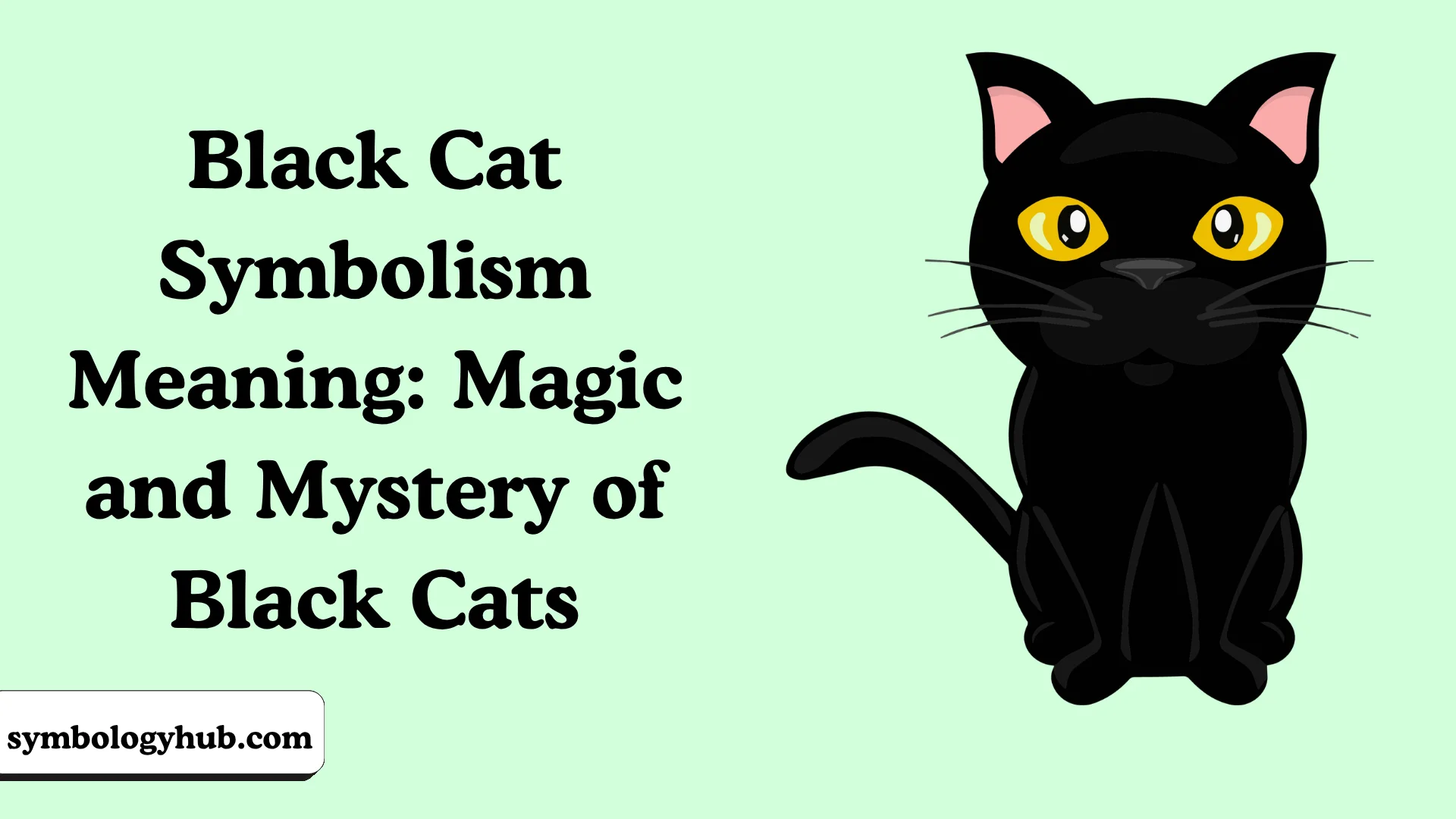
Black cats have long captured human imagination, embodying mystery, magic, and superstition. Across centuries, their sleek black fur and piercing eyes have inspired fascination, fear, and admiration. In the United States, black cats appear in folklore, Halloween traditions, tattoos, and pop culture, carrying layers of symbolism that reflect both history and contemporary beliefs.
Understanding the Black Cat Symbolism Meaning allows us to see how these animals move beyond superstition into a broader cultural and psychological context. From ancient myth to modern digital culture, black cats remain a symbol of enigma, independence, and sometimes, good fortune.
People often wonder why black cats are viewed so differently around the world. In the USA, they straddle the line between Halloween iconography and personal symbols of mystique, while in other cultures, their meanings vary from protection to bad luck.
Did You Know?
Did you know that black cats were once worshipped in ancient Egypt as sacred animals associated with protection, magic, and the goddess Bastet? In medieval Europe, they were feared as witches’ companions, yet in Japan, black cats are still considered symbols of good luck and prosperity. Today in the USA, black cats are embraced in Halloween traditions, tattoos, home decor, and pop culture, representing mystery, independence, and the mystical rather than bad luck. Their symbolic journey shows how cultural beliefs can shift dramatically over time.
Overview of Black Cat Symbolism
Black cats are more than just animals; they are symbols embedded in culture, art, and psychology. Their dark fur, sleek posture, and luminous eyes make them natural symbols of mystery and the unseen.
Appearance and Context
• Solid black fur represents elegance and the unknown.
• Bright eyes, often green or yellow, suggest alertness and perception.
• Commonly seen alone or in mystical settings, enhancing supernatural associations.
• Often depicted crossing paths in stories or media, fueling superstition.
Historical Background of Black Cats
To understand black cat symbolism, we must trace their journey through history.
Ancient Roots
• Ancient Egypt: Cats, especially black ones, were revered for protection and spiritual insight.
• Egyptian goddess Bastet, protector of homes and fertility, was often represented with feline forms.
• Black cats in ancient myth were linked to moon cycles and nocturnal wisdom.
Medieval Europe
• Black cats became associated with witchcraft during the 14th–17th centuries.
• Superstitions labeled black cats as omens of misfortune or companions to witches.
• Fear-driven folklore influenced literature and early American beliefs.
Early America
• Puritan settlers brought European superstitions to North America.
• Black cats were sometimes persecuted as witchcraft symbols, but also celebrated in folktales.
Symbolism of Black Cats in the USA
In the United States, black cats have a dual reputation, blending superstition and admiration.
Cultural Representation
• Halloween icons: black cats often appear alongside pumpkins and witches.
• Literature and media portrayals: mysterious or magical companions in stories.
• Folk beliefs: crossing a black cat can be either good or bad luck depending on region.
Psychological Associations
• Represents independence and self-reliance, mirroring the cat’s personality.
• Symbolizes curiosity and exploration, traits admired in American culture.
• Often embraced as a personal emblem of mystery or uniqueness.
Cross-Cultural and Spiritual Meanings
While the USA perspective dominates, other cultures offer diverse interpretations:
• Japan: good luck and prosperity, especially the Maneki-neko black variant.
• Celtic traditions: black cats were guardians of otherworldly realms.
• British Isles: mixed beliefs, with good fortune in some regions, bad in others.
• Wiccan and modern pagan beliefs: black cats as spiritual companions or protectors.
Emotional and Psychological Associations
Black cats evoke strong emotional responses, often tied to their symbolic traits.
• Mystery and intrigue draw fascination and curiosity.
• Fear and caution, rooted in historic superstition.
• Comfort and protection for cat lovers and mystical enthusiasts.
• Inspiration for creativity in art, writing, and design.
Modern Usage of Black Cats
Today, black cats transcend superstition and are widely embraced in modern culture.
Tattoos
• Symbols of independence, magic, and mystique.
• Paired with moons, stars, or witchcraft motifs.
Fashion and Decor
• Black cat motifs appear in clothing, home decor, and jewelry.
• Halloween-themed items dominate seasonal markets.
Social Media and Pop Culture
• Memes, stickers, and emojis often feature black cats as symbols of cool or spooky energy.
• Digital art celebrates their mystical aura.
Misunderstandings and Controversies
Black cats sometimes face negative stereotypes, but context matters.
• Adoption bias: black cats are less adopted due to superstition.
• Historical witchcraft associations fuel lingering fears.
• Media misrepresentation can exaggerate danger or misfortune.
• Cultural misuse sometimes portrays them as evil rather than symbolic or neutral.
Shifts in Meaning Over Time
The symbolism of black cats has evolved significantly.
• Ancient worship → Medieval fear → Modern admiration.
• Shift from purely negative omens to complex, nuanced meanings.
• Reclaimed by mysticism, goth culture, and Halloween commercialization.
• Contemporary symbolism emphasizes independence, mystery, and magic rather than misfortune.
Read More: Vulture Spiritual Meaning and Symbolism in America
Table: Black Cat Symbolism in Context
| Context | Meaning in the USA | Common Associations | Notes |
| Halloween | Mystery and superstition | Witches, pumpkins, night | Seasonal celebration |
| Tattoos | Independence, magic | Moons, stars, mystical aura | Personal identity and style |
| Folklore/History | Witchcraft, omens | Superstition, fear | Roots in European and Puritan beliefs |
| Home Decor / Fashion | Elegance, mystery | Style, seasonal symbolism | Increasingly neutral or positive |
| Digital Media / Emojis | Cool, mystical presence | Social media, art, memes | Symbol of personality or vibe |
FAQs:
What does a black cat symbolize in American culture?
In the USA, black cats symbolize mystery, magic, and independence, often tied to Halloween and folklore.
Are black cats considered bad luck everywhere?
No. In many cultures, like Japan and Celtic traditions, they symbolize good luck or protection.
Why are black cats associated with witches?
During medieval Europe, black cats were thought to be witches’ companions or familiars, a belief carried to early America.
Is it true black cats are harder to adopt?
Yes, superstition and myths contribute to lower adoption rates, though campaigns now encourage adoption.
Can black cats represent personal traits or identity?
Absolutely. They often symbolize independence, mystery, and uniqueness, especially in tattoos and personal art.
Why are black cats popular in modern pop culture?
Their sleek look and mystical aura make them iconic in media, fashion, and social content.
Conclusion:
The Black Cat Symbolism Meaning weaves together ancient reverence, medieval superstition, and modern admiration. In the USA, black cats straddle the line between spooky icons and emblems of independence and mystery. Across cultures and centuries, they have represented magic, protection, and personal identity, offering both cautionary tales and inspiration.
Understanding their symbolism helps us appreciate how these enigmatic creatures continue to captivate hearts and imaginations today.


Post Comment