Coyote Spiritual Meaning and Symbolism in American Culture
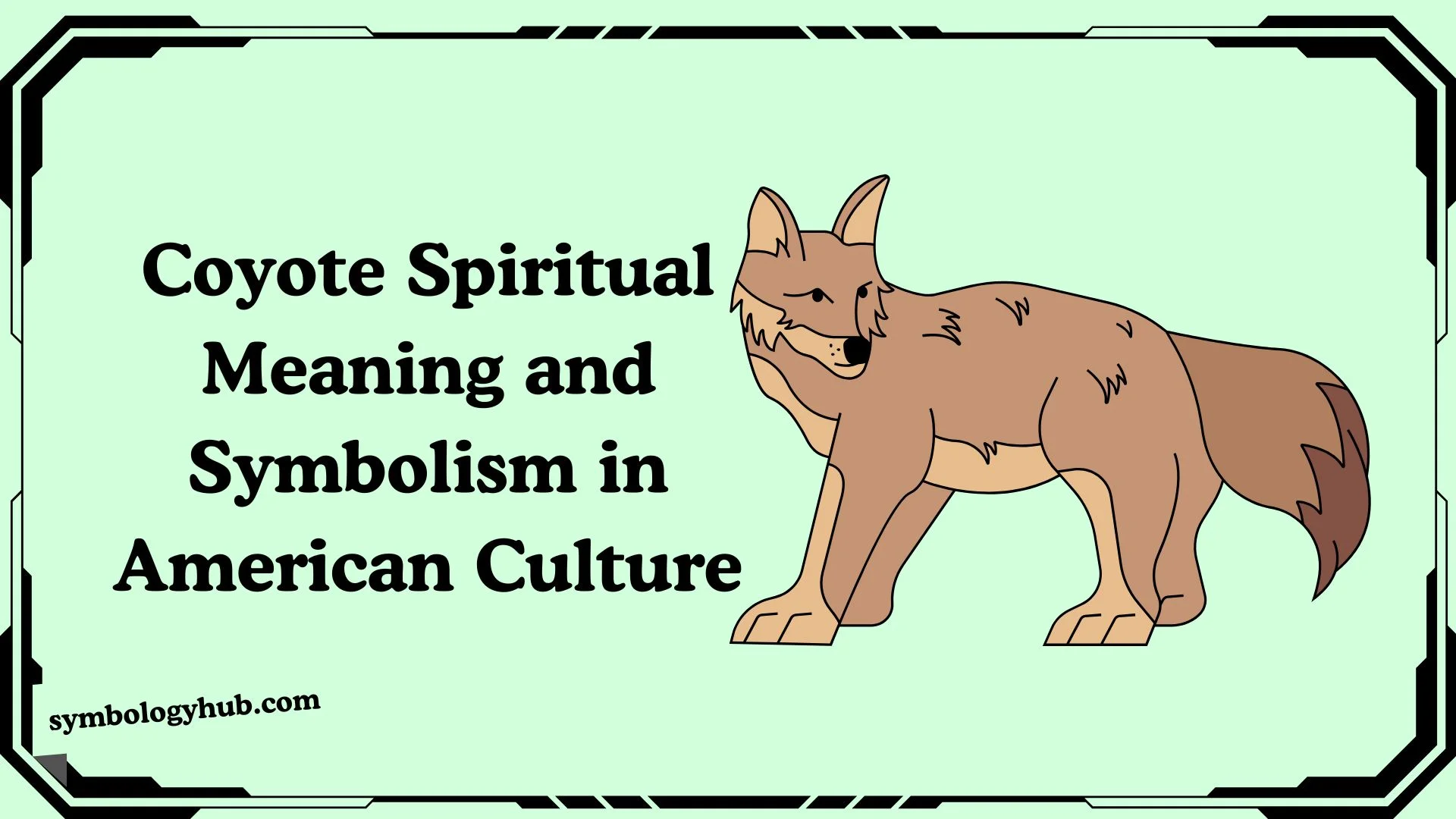
Coyotes appear everywhere in American life. You see them crossing highways, showing up in news clips, and starring in cartoons. Yet behind that familiar image sits a deep symbolic story. Coyote spiritual meaning and symbolism connects ancient traditions with modern American culture, psychology, and identity.
People often ask what the coyote “means.” Is it a trickster? A survivor? A teacher? The answer depends on context. In the United States, the coyote represents resilience, clever adaptation, and the tension between wild nature and expanding cities.
Let’s explore where this symbolism came from, how it changed over time, and why the coyote still matters today.
Did you know ?
The coyote can adapt to almost any environment in the United States, from deserts and forests to crowded cities, which is one reason it became such a powerful symbol of survival and transformation? Unlike many animals pushed out by urban growth, coyotes learned to change their behavior, diet, and movement patterns, often becoming more active at night to avoid people. Because of this, many Native traditions and modern spiritual interpretations connect the coyote with flexibility, clever problem-solving, and the ability to thrive during change.
What Is the Coyote Symbol?
The coyote symbol starts with the real animal. Understanding its traits helps explain the meaning Americans attach to it.
Physical Appearance and Behavior
Coyotes are medium-sized canines with sharp features and alert posture. They’re known for stealth and flexibility.
• Lean body built for endurance
• Golden-gray fur that blends into landscapes
• High-pitched howls used for communication
• Active at dawn and dusk
Because coyotes thrive in deserts, forests, farms, and cities, people associate them with survival skills and quick thinking.
Symbol at a Glance
In symbolic terms, the coyote often represents:
• Adaptation during change
• Clever problem-solving
• Humor mixed with chaos
• Learning through experience
This mix makes the coyote one of the most complex animal symbols in North America.
Native American Origins of Coyote Symbolism
Long before modern America, Indigenous cultures shaped the spiritual meaning of the coyote. These stories still influence how people view the animal today.
Trickster Archetype
In many tribes, the coyote appears as a trickster figure. This role isn’t just about jokes. Instead, it teaches lessons through mistakes.
• Breaks rules to reveal hidden truths
• Creates chaos that leads to growth
• Exposes human flaws
• Encourages humility
Unlike evil characters, the trickster pushes people to learn.
Cultural Variations Across Tribes
Different tribes told different coyote stories.
• Navajo: coyote as teacher and warning figure
• Hopi: symbol of imbalance and consequence
• Plains tribes: clever survivor figure
• Pacific Northwest tribes: transformer being
These variations show that the coyote never had one single meaning.
Historical Evolution in American Culture
Over time, the coyote’s meaning shifted as American society changed.
Frontier Era Symbolism
During westward expansion, settlers viewed coyotes as pests and threats.
• Associated with livestock loss
• Seen as competitors for resources
• Framed as wild danger
However, folklore slowly softened this image.
20th Century Media Influence
Cartoons and movies reshaped the coyote’s reputation.
• Trickster humor became popular
• Characters emphasized clever failure
• Audiences related to persistence
This made the coyote more relatable and less feared.
Coyote Symbolism in Modern USA Culture
Today, the coyote plays a unique role in American identity.
Urban Wildlife Icon
Coyotes now live in major cities like Chicago and Los Angeles.
• Symbol of nature adapting to urban life
• Reminder of wild presence in cities
• Example of coexistence challenges
People see them as proof that nature doesn’t disappear easily.
Cultural Representation
The coyote appears across American culture.
• Sports team mascots
• Southwest art and decor
• Environmental campaigns
• Desert tourism branding
Because of this, the symbol feels both ancient and modern.
Spiritual Meaning of the Coyote Today
Many Americans explore animal symbolism through spirituality and personal growth.
Core Spiritual Themes
The coyote’s spiritual meaning often includes:
• Change and transformation
• Playfulness in hard times
• Learning through mistakes
• Trusting intuition
People who feel “called” to the coyote often face transitions.
Signs and Encounters
Some believe repeated coyote sightings carry messages.
• Encouragement to adapt
• Reminder not to take life too seriously
• Warning against careless choices
While not scientific, these beliefs shape personal meaning.
Emotional and Psychological Associations
The coyote also reflects emotional states and mental patterns.
Psychological Symbolism
In psychology-inspired symbolism, coyotes represent:
• Creativity and improvisation
• Independence and self-reliance
• Shadow traits like deception
• Humor as coping mechanism
Because of this, people may relate to the coyote during uncertain times.
Emotional Responses
Seeing a coyote often triggers mixed feelings.
• Curiosity
• Caution
• Respect
• Wonder
This emotional blend mirrors the symbol’s complexity.
Cross-Cultural Meanings Outside the USA
Although strongest in North America, similar symbolism appears elsewhere.
Global Trickster Patterns
Many cultures share trickster figures.
• African folklore features clever animal heroes
• Norse mythology includes Loki-like figures
• Asian stories highlight fox tricksters
These parallels suggest universal themes of chaos and wisdom.
Spiritual Animal Archetypes
Across cultures, animal guides often represent:
• Survival instincts
• Balance with nature
• Inner awareness
The coyote fits this global pattern.
Modern Uses: Tattoos, Fashion, and Media
Today, people actively use coyote imagery.
Tattoos and Personal Expression
Coyote tattoos often symbolize:
• Independence
• Survival after hardship
• Connection to nature
• Humor and rebellion
Styles range from realistic portraits to tribal art designs.
Social Media and Pop Culture
Coyotes appear in digital spaces too.
• Wildlife photography trends
• Nature education videos
• Symbolic memes
• Environmental storytelling
This keeps the symbol alive for younger audiences.
Common Meanings by Context (Table)
Below is how coyote symbolism changes across settings:
| Context | Meaning in the USA | Common Associations | Notes |
| Native Traditions | Trickster teacher | Stories, lessons, balance | Respectful cultural roots |
| Urban Wildlife | Adaptation | City survival | Modern interpretation |
| Tattoos | Personal strength | Independence | Individual meaning varies |
| Media | Humor and persistence | Cartoons | Simplified symbolism |
| Spiritual Beliefs | Transformation | Life change | Personal interpretation |
Misunderstandings and Misuse
Not all uses of the coyote symbol are accurate or respectful.
Oversimplification
Many people reduce the coyote to “just a trickster.” This ignores deeper spiritual and cultural layers.
• Loss of cultural context
• Shallow interpretations
• Stereotype creation
Cultural Sensitivity Concerns
Using Indigenous symbols without understanding can cause harm.
• Misuse of sacred imagery
• Commercial exploitation
• Cultural disrespect
Learning history helps prevent this.
Shifts in Meaning Over Time
The coyote symbol continues to evolve.
From Villain to Survivor
Earlier American views painted coyotes negatively. Today, they’re often admired.
• From pest to survivor icon
• From threat to adaptation symbol
• From enemy to neighbor
This shift reflects changing environmental values.
Digital Age Influence
Online culture adds new layers.
• Meme humor reshapes symbolism
• Viral wildlife videos create empathy
• Younger audiences redefine meaning
Symbols adapt just like coyotes do.
When the Coyote Appears in Dreams
Dream interpretation plays a role in symbolic meaning.
Common Dream Themes
Coyotes in dreams may represent:
• Clever solutions
• Warning signals
• Hidden fears
• Playful instincts
Context matters more than fixed meanings.
Emotional Tone Matters
How you feel in the dream changes interpretation.
• Fear suggests caution
• Curiosity suggests learning
• Calm suggests balance
Personal reflection helps clarify meaning.
FAQs:
What does seeing a coyote mean spiritually?
Many people interpret it as a sign of adaptation or change. It may also suggest humor and flexibility during challenges.
Is the coyote a good or bad symbol?
Neither. It represents both wisdom and mischief. Meaning depends on context and cultural background.
Why is the coyote called a trickster?
Native stories describe it breaking rules to teach lessons. The trickster role highlights growth through mistakes.
Are coyotes sacred in Native American culture?
Some tribes view coyotes as spiritually important figures. Beliefs vary by nation and tradition.
What does a coyote tattoo usually symbolize?
It often represents independence, resilience, and clever survival. Personal meaning always matters most.
Do coyotes symbolize protection?
Indirectly, yes. They symbolize awareness and adaptability rather than physical guarding.
Conclusion:
The coyote stands at the crossroads of ancient tradition and modern American life. Coyote spiritual meaning and symbolism reflects survival, humor, transformation, and the ability to adapt when conditions change.
From Indigenous stories to urban wildlife encounters, the coyote reminds people that growth often comes through challenges. It also shows that wisdom can wear unexpected forms.In the end, the coyote isn’t just a wild animal. It’s a living symbol of how humans learn, adapt, and keep moving forward.


Post Comment