Groundhog Spiritual Meaning and Symbolism Explained
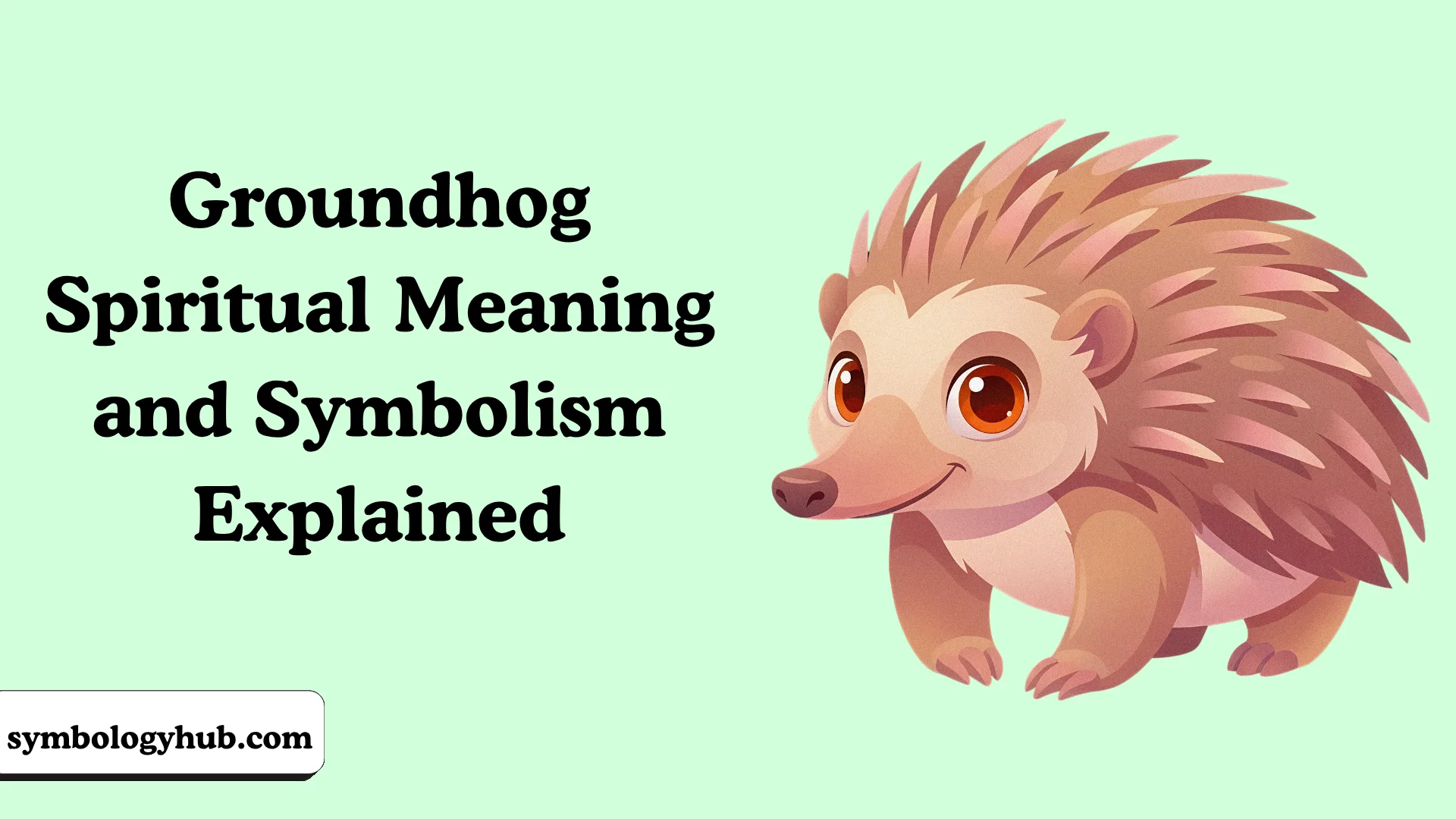
Groundhogs, often known as woodchucks, are more than just cute, burrowing creatures in North American forests and backyards. Groundhog spiritual meaning and symbolism has intrigued people for centuries, especially in the United States, where the tradition of Groundhog Day has elevated this animal to a cultural icon. Beyond folklore, groundhogs carry deeper spiritual and psychological messages that connect humans to nature, cycles, and personal insight.
In American culture, the groundhog represents foresight, awareness, and seasonal transitions, often serving as a reminder to observe, reflect, and prepare. Across history and cultures, the groundhog—or its related marmot species—has been associated with introspection, renewal, and even spiritual guidance, revealing patterns that help people navigate uncertainty. For those seeking meaning, the groundhog embodies more than a weather predictor; it symbolizes patience, timing, and the wisdom found in attentiveness.
Did You Know?
Did you know that groundhogs are not just weather predictors but also powerful spiritual symbols? In the USA, they represent foresight, renewal, and patience, emerging from their burrows to signal seasonal change. Historically, Native American tribes saw them as guides for introspection and timing, while European settlers adapted them into early Groundhog Day traditions.
Today, groundhogs inspire tattoos, home decor, and social media symbolism, reminding us of the importance of observation, preparation, and connecting with natural cycles.
Overview of Groundhog Symbolism
Groundhogs are medium-sized rodents with stocky bodies, brown fur, and strong claws for digging. They are often seen at the edge of forests or near human settlements, emerging from burrows during early spring. This appearance at transitional times of the year, especially around February 2nd, ties them to change, timing, and vigilance.
Core Meanings
• Foresight: Observing upcoming changes before they happen.
• Renewal: Signaling the end of winter and the start of spring.
• Preparation: Encouraging attentiveness to personal and environmental shifts.
Historical Background of Groundhog Symbolism
Groundhogs were first significant to Native American tribes, who regarded them as symbols of introspection and seasonal cycles. Tribes like the Algonquin linked burrowing animals to protection, foresight, and survival, emphasizing their connection to the earth and its rhythms.
European settlers in the 18th century adapted these beliefs, blending them with Christian seasonal traditions, eventually creating the modern Groundhog Day, first recorded in Punxsutawney, Pennsylvania, in 1887.
Ancient Roots
• Burrowing animals historically represent hidden knowledge and inner reflection.
• Many ancient cultures used hibernating creatures as symbols of death and rebirth cycles.
• In folklore, a groundhog emerging from its den signals timely wisdom and foresight.
Groundhog Symbolism in the USA
In the United States, groundhogs are best known through Groundhog Day, which blends folklore, community celebration, and media attention.
Modern Media Influence
• Newspapers and television have made Punxsutawney Phil an icon of prediction and tradition.
• The groundhog’s shadow determines whether spring comes early or winter persists, symbolically highlighting change and cycles.
Everyday Associations
• Weather and seasonal shifts
• Timing and patience in decision-making
• Connection to rural and American folk traditions
Cross-Cultural and Spiritual Meanings
Beyond the USA, the groundhog or similar burrowing animals appear in European, Asian, and Indigenous traditions:
• Celtic folklore: Small mammals linked to the cycles of the sun and seasonal change.
• Chinese symbolism: Marmots represent self-reflection and awareness of the environment.
• Native North American beliefs: Burrowing creatures embody earth connection and foresight.
These cross-cultural parallels reinforce the groundhog’s role as a guide through cycles and transitions.
Emotional and Psychological Associations
Groundhogs convey more than practical foresight; they also influence emotional and mental understanding:
• Patience: Recognizing the right time for action.
• Introspection: Encouraging self-examination during quiet periods.
• Adaptability: Coping with seasonal or life changes.
• Calm vigilance: Observing without immediate reaction.
Psychologically, seeing a groundhog or meditating on its symbolism can inspire grounding and mindful reflection.
Read More: Purple Aura Meaning: Spiritual & Symbolic Significance
Modern Uses of Groundhog Symbolism
Today, the groundhog inspires art, fashion, home decor, and online culture:
• Tattoos: Represent foresight and personal growth.
• Social media: Memes or seasonal posts highlight anticipation and timing.
• Home decor: Figurines or prints symbolize seasonal transitions.
• Education & holidays: Groundhog Day teaches children about nature and cycles.
Table: Groundhog Context and Associations
| Context | Meaning in the USA | Common Associations | Notes |
| Groundhog Day | Predicting seasonal change | Patience, anticipation | Feb 2 tradition |
| Burrow emergence | Renewal and foresight | Introspection, preparation | Early spring |
| Folk tales | Wisdom and cycles | Survival, timing | Native American & European roots |
| Art / tattoos | Personal growth | Awareness, adaptability | Modern symbolic use |
Misunderstandings and Controversies
While generally positive, groundhog symbolism has occasional misunderstandings:
• Shadow obsession: Some take Groundhog Day literally, ignoring metaphorical lessons.
• Commercialization: Overemphasis on media fame can overshadow deeper meaning.
• Cultural appropriation: Simplifying Native American or European roots without context.
By understanding these nuances, the groundhog remains a symbol of reflection and foresight rather than just folklore entertainment.
Shifts in Groundhog Symbolism Over Time
Historically, groundhogs were spiritual guides of introspection and seasonal rhythm. Over centuries, they became popularized cultural icons with added layers of celebration and media spectacle.
• Pre-1880s: Native and European traditions emphasize foresight and renewal.
• 1887–1950s: Groundhog Day grows as a communal and media event.
• Modern day: Symbolic meaning blends cultural, psychological, and seasonal awareness.
FAQs:
What does it mean if I see a groundhog spiritually?
Seeing a groundhog may signal renewal, foresight, and the need to prepare for change.
Why is the groundhog associated with Groundhog Day?
Groundhog Day reflects seasonal cycles, using the animal as a cultural symbol of prediction and timing.
Are groundhogs considered good omens?
Yes, they generally symbolize wisdom, foresight, and introspection, representing positive guidance.
How do Americans use groundhog symbolism today?
Through tattoos, decor, social media, and holiday traditions, highlighting timing and self-reflection.
Does groundhog symbolism exist outside the USA?
Yes, similar meanings appear in Celtic, Chinese, and Native American traditions, emphasizing cycles and foresight.
Can groundhog symbolism influence personal growth?
Meditating on its traits encourages patience, observation, and thoughtful planning in life decisions.
Conclusion:
The groundhog’s spiritual meaning and symbolism intertwines nature, foresight, and personal growth. From Native American roots to Groundhog Day traditions, the groundhog embodies cycles, renewal, and introspection, offering lessons in timing, patience, and self-awareness. In modern America, it continues to inspire reflection, art, and cultural connection.
Observing the humble groundhog can remind us that change comes in cycles, and awareness of timing is a quiet form of wisdom—a lesson as relevant today as it was centuries ago.



Post Comment