Rooster Spiritual Meaning and Symbolism Interpretation
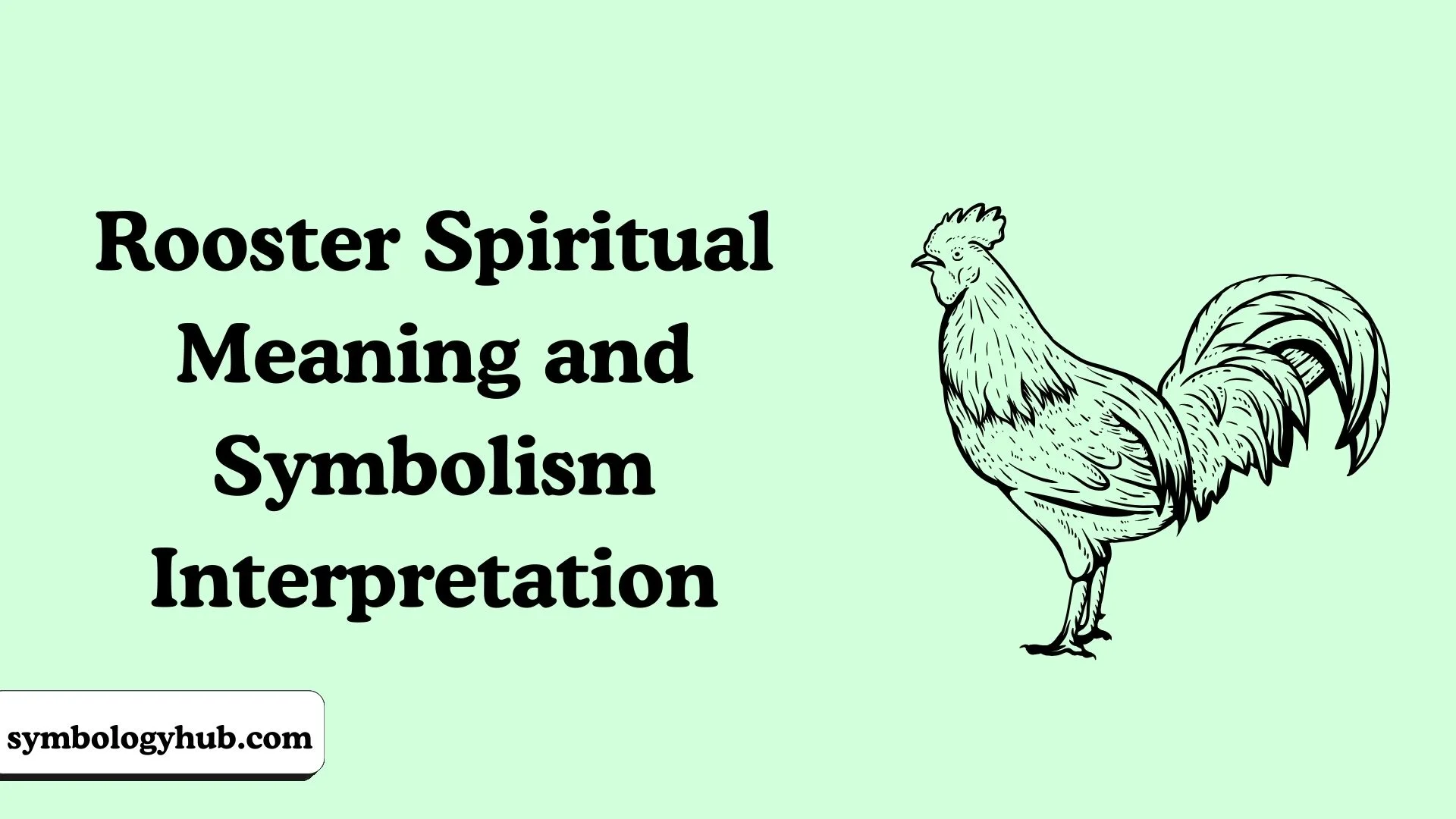
The rooster, a common farm animal, carries layers of symbolic meaning that go far beyond its morning crow. From its striking red comb and bright plumage to its bold posture and loud calls, this bird has been a powerful symbol across cultures and eras. In the United States, many people encounter rooster imagery in art, home decor, and folklore, often associating it with vigilance, courage, and new beginnings. Understanding the rooster’s spiritual meaning and symbolism interpretation can provide insight into its deeper cultural and psychological significance.
People often wonder why the rooster is such a potent symbol, appearing in stories, holidays, and even tattoos. Its symbolism is rooted in both ancient traditions and modern cultural expressions, offering lessons about self-expression, confidence, and spiritual awareness. By exploring the rooster’s history, emotional resonance, and contemporary usage, we can appreciate how this familiar bird continues to inspire people in the USA and beyond.
Did You Know?
Did you know that the rooster, beyond its farmyard presence, has been a powerful spiritual symbol for thousands of years? In ancient Egypt, it represented the sun and rebirth, while in medieval Europe, roosters adorned church steeples as reminders of vigilance and moral awareness. Today in the USA, roosters appear in folk art, tattoos, and home decor, symbolising courage, awakening, and confidence. Across cultures, they are also seen as messengers, protectors, and harbingers of luck, showing that this bold, crowing bird carries meaning far beyond the dawn.
Overview of Rooster Symbolism
Roosters are visually distinctive birds, recognized by their upright posture, vibrant red comb, and bold feathers. They announce the dawn, making them natural symbols of awakening and vigilance. Their behavior—protective of hens and territorial—enhances their association with courage and leadership. In spiritual terms, roosters are often seen as messengers or guardians, alerting humans to both physical and spiritual realities.
Physical Appearance and Symbolic Traits
• Bright red comb represents vitality and alertness.
• Plumage often symbolizes pride, beauty, and confidence.
• Loud crow signals vigilance and the start of a new day.
• Standing tall embodies courage, leadership, and assertiveness.
Historical Background of Rooster Symbolism
Rooster symbolism dates back thousands of years, with roots in ancient civilizations. Early cultures linked roosters to the sun, dawn, and spiritual awakening.
Ancient Roots
• Egyptian culture: Roosters were associated with solar deities and the cycle of rebirth.
• Greek mythology: Linked to Ares and heralding the sun; symbols of vigilance.
• Chinese tradition: Rooster is one of the 12 zodiac animals, symbolizing fidelity and punctuality.
Christian Influence
In medieval Europe, roosters appeared atop church steeples, symbolizing vigilance against evil and spiritual awakening. The rooster’s crow was said to remind people to repent, connecting it to moral watchfulness.
Symbolism of Roosters in the USA
Roosters became prominent symbols in American culture through folk art, rural life, and decorative arts. They are often used to evoke rustic charm and values like diligence, courage, and optimism.
Cultural and Folk Associations
• Farmhouse decor often features rooster motifs, representing vigilance and prosperity.
• In American literature and fables, roosters symbolize alertness and resilience.
• Political cartoons sometimes depict roosters as bold, proud characters signaling leadership.
• Crowing at dawn reflects self-discipline and the start of new opportunities.
Cross-Cultural and Spiritual Meanings
Beyond the USA, roosters carry rich meanings across cultures, often tied to luck, protection, and spiritual insight.
• Asian cultures: Roosters bring fortune, ward off evil, and represent integrity.
• Celtic symbolism: Linked to the cycle of life, awakening, and prophecy.
• African traditions: Used in rituals for guidance and protection.
• Global spiritual interpretation: Seen as messengers between earthly and divine realms.
Emotional and Psychological Associations
Roosters inspire feelings of confidence, pride, and vigilance. Psychologically, they can symbolize the inner urge to assert oneself and remain aware of opportunities.
Key Emotional Themes
• Alertness and preparedness for challenges.
• Courage in expressing personal identity.
• Pride in accomplishments or self-presentation.
• Motivation for new beginnings or personal growth.
Modern Usage in the USA
Today, rooster symbolism appears widely in home decor, fashion, tattoos, and media. Its visibility blends tradition with personal identity.
Examples of Contemporary Expression
• Tattoos represent courage, vigilance, and self-expression.
• Kitchen or farmhouse decor featuring rooster statues and prints.
• Social media icons and emojis for alertness or morning routines.
• Holiday decorations, especially in spring and harvest festivals.
Table: Modern Contexts of Rooster Symbolism
| Context | Meaning in the USA | Common Associations | Notes |
| Farmhouse decor | Vigilance, prosperity | Rural charm, home warmth | Often stylized in folk art |
| Tattoos | Courage, self-expression | Pride, personal identity | Popular in coastal and rural areas |
| Social media/emojis | Awakening, alertness | Communication, humor | Used metaphorically for wakefulness |
| Holidays/folk festivals | New beginnings | Spring, harvest | Represents cycles and renewal |
Misunderstandings and Controversies
While generally positive, rooster symbolism has been misinterpreted or appropriated in negative contexts.
• Overemphasis on aggression can distort its meaning of courage.
• Some symbols misused in extremist imagery have caused confusion.
• Cultural appropriation concerns when global symbols are stripped of context.
• Stereotypical depictions in media may ignore spiritual and historical roots.
Shifts Over Time
The rooster’s meaning has evolved, from ancient sun worship to modern lifestyle symbols.
• Early symbolic focus: spiritual vigilance and solar associations.
• Medieval European use: moral reminder and church iconography.
• Contemporary USA: personal identity, decor, and artistic expression.
• Some older symbolic uses, like strict moral vigilance, are now niche or artistic references.
Rooster Symbolism in Art and Media
Artists, writers, and filmmakers often use roosters to evoke alertness, courage, or rural identity.
• Folk paintings often depict roosters as central figures.
• Film and cartoons use roosters to signify awakening or leadership.
• Illustrators include them in allegorical works about vigilance or pride.
• Graphic designers employ rooster imagery for rustic or vintage branding.
Read More: Mushroom Symbolism and Spiritual Meaning
Rooster in Spiritual Practice
Some modern spiritual communities use rooster imagery to enhance mindfulness, protection, or daily awakening rituals.
• Visual meditation aids using rooster images for alertness.
• Symbol in ritual or prayer to guard against negativity.
• Guides personal reflection on courage, self-expression, and growth.
• Reminder to embrace cycles and daily renewal.
Rooster and Identity
Adopting rooster symbolism can signal personal traits like confidence, leadership, and resilience.
• People choose tattoos for self-assertion or spiritual awareness.
• Decor choices reflect values of vigilance and tradition.
• Emojis and social media references convey readiness and energy.
• Rooster imagery often communicates optimism and proactive habits.
FAQs:
What does a rooster symbolize spiritually?
Spiritually, roosters represent vigilance, awakening, courage, and guidance across cultures.
Why is the rooster important in American folk culture?
It symbolizes rural life, pride, alertness, and self-reliance in art and decor.
Can rooster symbols bring luck?
In many traditions, yes—especially in Asian cultures, roosters signify fortune and protection.
Is rooster symbolism used in tattoos?
Yes, tattoos often highlight courage, vigilance, and personal identity.
How does the meaning of roosters differ worldwide?
While the USA emphasizes courage and awakening, other cultures focus on luck, integrity, or spiritual protection.
Are there negative associations with roosters?
Misuse occurs in aggressive or extremist contexts, but traditional symbolism is positive.
Conclusion:
The rooster spiritual meaning and symbolism interpretation is rich, spanning vigilance, courage, and awakening. From ancient solar connections to modern tattoos and farmhouse decor, it has evolved while maintaining its core messages. In the USA, roosters continue to inspire pride, alertness, and spiritual awareness, reminding us to greet each day boldly and consciously. Whether seen in art, spiritual practice, or daily life, the rooster encourages reflection, courage, and a mindful approach to new beginnings.



Post Comment