Snake Symbolism and Their Meanings Explained
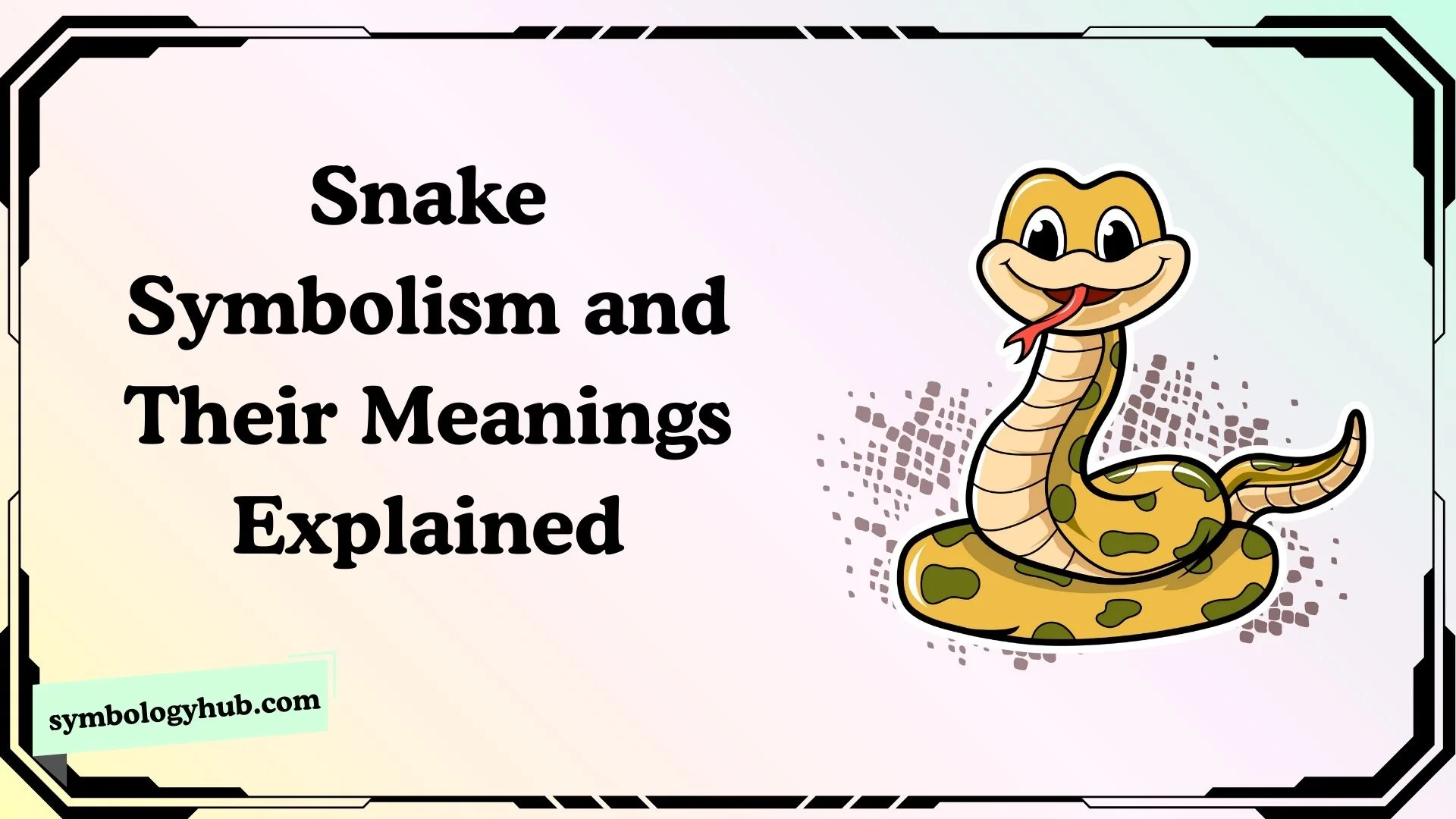
Snakes have fascinated people for thousands of years. They can feel mysterious, powerful, or even unsettling. In the United States today, snakes appear in flags, tattoos, spiritual imagery, warning signs, and pop culture. Because of that, many people wonder what snakes truly represent.
Snake Symbolism and Their meanings aren’t simple or fixed. Instead, they shift based on history, culture, and personal experience. For some, a snake signals danger or temptation. For others, it stands for healing, renewal, or independence. Often, it represents several ideas at once.
This article unpacks snake symbolism from its ancient roots to modern American life. Along the way, it explains how meanings evolved, why some interpretations clash, and how people use snake imagery today—sometimes without realizing its long backstory.
Did you know?
In early American history, the rattlesnake was chosen as a national symbol because it would only strike when threatened, making it a powerful image of defense without aggression. This idea helped shape the famous “Don’t Tread on Me” flag, where the snake symbolized vigilance, independence, and a warning to outsiders rather than violence—very different from the purely negative snake imagery many people assume today.
What Is Snake Symbolism?
Snake symbolism refers to the meanings people attach to snakes as images, icons, or metaphors. In the U.S., these meanings show up in art, language, fashion, and belief systems.
Because snakes move quietly and shed their skin, they naturally invite symbolic interpretation. Over time, societies layered spiritual, emotional, and moral meanings onto them. As a result, a snake image rarely means just one thing.
Common Visual Traits
Snakes are often shown in specific ways that shape meaning:
• Coiled posture suggesting readiness or control
• Open mouth or fangs signaling threat or defense
• Shed skin representing renewal or rebirth
• Circular shapes implying cycles or eternity
Core Meanings at a Glance
Before diving deeper, it helps to see the main ideas snakes represent today. In the U.S., these meanings often overlap.
Primary Symbolic Themes
• Transformation and personal change
• Danger, warning, or hidden risk
• Power, independence, and survival instinct
• Healing and restoration
Ancient Roots of Snake Symbolism

Snake symbolism didn’t begin in modern times. Instead, it reaches back to some of the earliest human cultures.
Ancient people lived close to nature, so snakes were both feared and respected. Because snakes could kill or heal, they carried dual meanings from the start.
Pre-Christian and Ancient Worlds
• Mesopotamia linked snakes to fertility and earth energy
• Ancient Egypt connected snakes to protection and royalty
• Greek traditions tied snakes to healing and medicine
• Indigenous cultures saw snakes as life-force symbols
Snakes in Biblical and Christian Tradition
In contrast, Western religious texts shaped a more negative view of snakes. These ideas still influence American culture today.
The Bible’s serpent story emphasized temptation and deception. Over time, this interpretation became dominant in Christian societies.
Lasting Religious Influence
• Snake associated with temptation and moral testing
• Symbol of sin rather than wisdom
• Reinforced fear-based interpretations in the U.S.
Snake Symbolism in Early American History

When America formed its identity, snake imagery took on new meaning. Instead of purely religious symbolism, it became political and cultural.
The most famous example is the rattlesnake used during the American Revolution. It represented readiness without aggression.
Revolutionary-Era Meanings
• Defense rather than attack
• Unity among separate colonies
• Warning to outside threats
What Does the Snake Mean in the USA Today?
Today, snake symbolism in the U.S. blends fear, strength, and individuality. Context matters more than ever.
Snakes appear in everything from warning signs to fashion. Because of that, meaning depends on where and how the symbol appears.
Modern American Associations
• Independence and self-reliance
• Personal transformation or recovery
• Edginess or rebellion
• Awareness of danger
Emotional and Psychological Associations
Snakes trigger strong emotional reactions. These reactions shape how people interpret snake imagery.
Psychologically, snakes tap into instinctive fear. At the same time, they can represent control over fear.
Common Emotional Signals
• Alertness and caution
• Personal power or resilience
• Mystery and curiosity
• Inner change or growth
Spiritual Meaning of Snakes
Beyond emotion, snakes hold spiritual meaning for many people. In the U.S., this often blends multiple traditions.
Rather than strict religion, spiritual interpretations today focus on personal growth.
Spiritual Themes
• Awakening or inner energy
• Life cycles and renewal
• Balance between danger and wisdom
Cross-Cultural Snake Meanings
Although this article focuses on the U.S., snake symbolism exists worldwide. These meanings influence American interpretations through immigration and media.
Different cultures highlight different traits of snakes.
Global Perspectives
• Hindu traditions link snakes to cosmic energy
• Chinese symbolism connects snakes to wisdom
• African traditions often see snakes as protectors
Modern Usage: Tattoos, Fashion, and Media
In modern America, snake imagery is everywhere. People use it to express identity, beliefs, or mood.
Because meaning is flexible, individuals often choose snakes for personal reasons.
Common Modern Uses
• Tattoos representing rebirth or strength
• Clothing designs signaling edge or independence
• Social media aesthetics tied to transformation
• Home decor with symbolic accents
Snake Symbolism by Context (Table)
| Context | Meaning in the USA | Common Associations | Notes |
| Tattoos | Transformation | Shedding skin | Often personal |
| Flags | Warning | Rattlesnake | Historical roots |
| Religion | Temptation | Biblical serpent | Still influential |
| Medicine | Healing | Caduceus | Ancient origin |
Misunderstandings and Controversies
Snake symbols sometimes cause confusion or controversy. This often happens when meanings clash.
Some groups misuse snake imagery without understanding context. Others assume all snake symbols are negative.
Common Issues
• Confusing spiritual symbols with religious ones
• Ignoring cultural origins
• Oversimplifying meanings
How Snake Meanings Have Shifted Over Time
Snake symbolism has changed dramatically. In recent years, positive interpretations have grown.
People now focus more on transformation than fear. This shift reflects broader cultural changes.
Key Shifts
• From moral warning to personal growth
• From fear-based to empowerment-focused
• From fixed meaning to personal interpretation
FAQs
What do snakes usually symbolize?
Snakes usually symbolize transformation, danger, or hidden power. Meaning depends on context and culture.
Are snakes always a negative symbol?
No. In the U.S., snakes can represent healing, strength, or renewal.
Why are snakes linked to healing?
Ancient medical traditions used snakes to represent restoration and life energy.
What does a snake tattoo mean?
Often it symbolizes rebirth, resilience, or personal change.
Is snake symbolism religious?
Sometimes, but many modern uses are spiritual or personal rather than religious.
Why do snakes cause fear?
Humans evolved to notice snakes quickly, creating instinctive fear responses.
Conclusion
Snake symbolism is layered, emotional, and deeply historical. In the United States, it blends ancient roots, religious influence, and modern personal meaning. Snake Symbolism and Their meanings continue to evolve as people reinterpret what snakes represent in their own lives.
Today, snakes no longer stand for just fear or temptation. Instead, they often signal growth, awareness, and resilience. Understanding this history helps modern readers see snake imagery with a clearer, richer perspective.


Post Comment