Symbolism and Spiritual Feminine Unique Tree of Life Tattoo
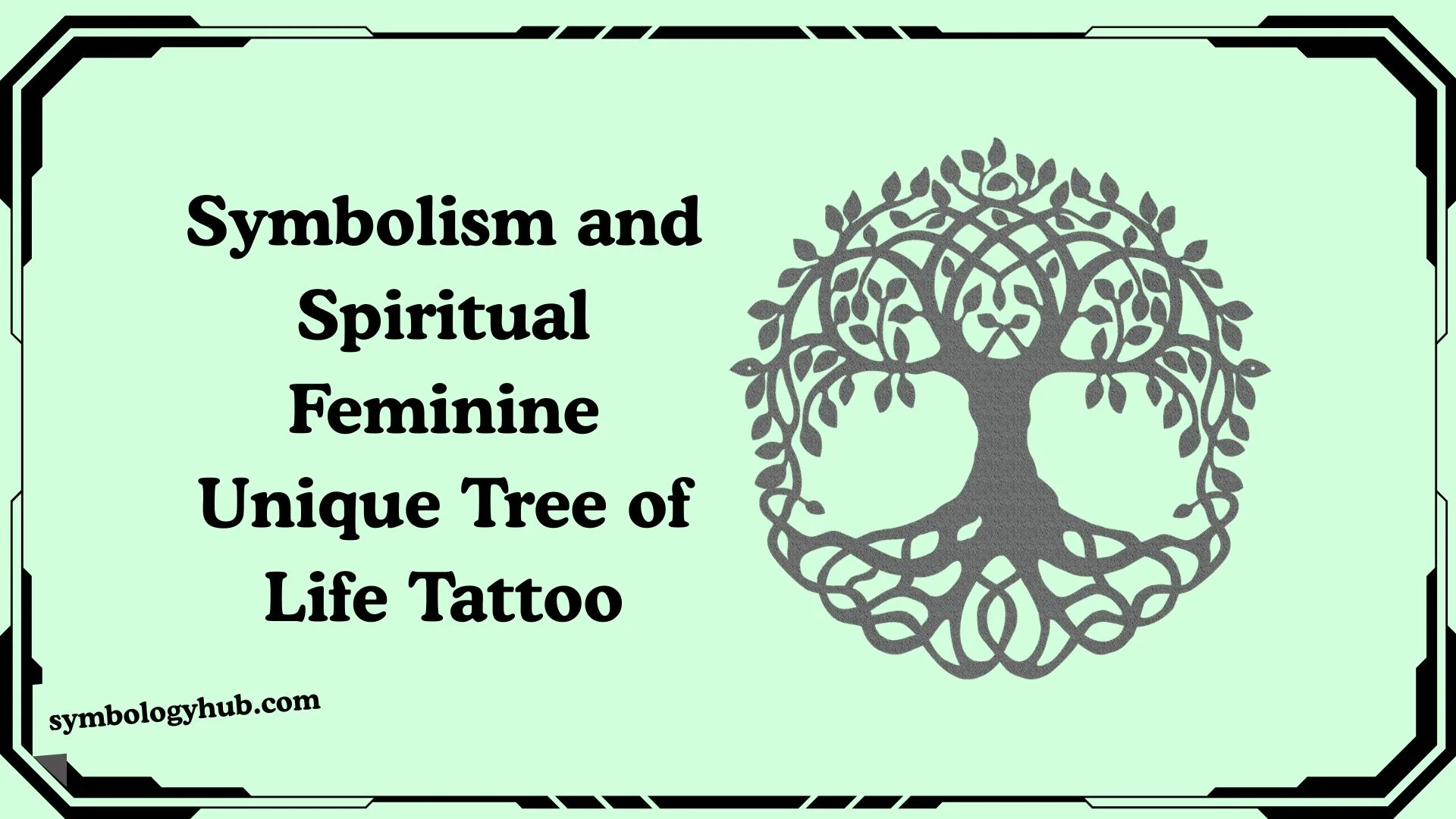
The Symbolism and Spiritual Feminine Unique Tree of Life Tattoo has become one of the most meaningful designs in American tattoo culture. You’ll see it on wrists, backs, ribs, and shoulders. However, this symbol is more than decoration. It blends ancient spiritual ideas with modern identity, healing, and empowerment.
Today, many people choose this tattoo to express growth, balance, and feminine strength. At the same time, artists personalize it with moons, flowers, butterflies, or sacred geometry. Because of this flexibility, no two designs look the same. Each one tells a personal story.
Let’s explore where this symbol came from, what it means in the USA today, and why it continues to evolve.
Did you know ?
The feminine Tree of Life tattoo became especially popular in the United States after 2015, when wellness culture, spiritual self-care, and body-positive movements started influencing tattoo trends? Many people began using this symbol not just for beauty, but as a personal reminder of growth, healing, and emotional strength, often adding moons, flowers, or mandalas to reflect their own life journey and spiritual identity.
What Is a Feminine Tree of Life Tattoo?
This section explains what people usually mean when they say “feminine Tree of Life tattoo” and how it looks in real life.
Visual Elements and Design Style
Most feminine versions soften the traditional tree shape. Instead of thick, rigid lines, artists use flowing curves and organic forms.
Common design features include:
• Thin branches shaped like arms or hair
• Roots forming heart or spiral patterns
• Soft shading instead of harsh outlines
• Floral details woven into branches
• Moon phases placed above the canopy
What Makes It “Unique”?
Uniqueness comes from personalization. Many Americans choose symbols that reflect their own journey.
Artists often customize with:
• Birth flowers or zodiac signs
• Mandala patterns in the trunk
• Names or dates hidden in roots
• Butterflies or birds for transformation
• Watercolor splashes for emotion
Because of this, the tattoo becomes deeply personal rather than generic.
Core Meaning of the Tree of Life Symbol
Before focusing on the feminine angle, it helps to understand the symbol’s foundation.
Balance and Connection
At its core, the Tree of Life represents balance. The roots connect to the earth. The branches reach toward the sky. Together, they show harmony between physical and spiritual worlds.
Growth and Renewal
Trees shed leaves and grow again. Because of this cycle, the symbol reflects resilience and renewal.
Key meanings people associate today include:
• Personal growth and self-improvement
• Stability during change
• Connection to ancestors
• Spiritual awakening
• Life’s continuous cycle
Ancient Roots of the Tree of Life
The Tree of Life didn’t start as a tattoo trend. Instead, it appeared across ancient civilizations.
Pre-Christian and Indigenous Origins
Many early cultures used tree symbolism to explain life and creation.
Examples include:
• Mesopotamian sacred tree carvings
• Celtic oak trees symbolizing wisdom
• Norse Yggdrasil connecting nine realms
• Indigenous American world trees
• Egyptian acacia trees tied to rebirth
Each culture adapted the idea but kept the same core message: connection and continuity.
Spiritual Evolution Over Time
As religions developed, the Tree of Life became part of sacred texts and art. However, the meaning stayed flexible. It moved from temple walls to jewelry, paintings, and eventually tattoos.
Feminine Spiritual Symbolism of the Tree of Life
This is where the design takes on deeper emotional meaning.
Divine Feminine Energy
In spiritual traditions, feminine energy represents creation, intuition, and nurturing. When combined with the Tree of Life, it emphasizes life-giving power.
This connection often symbolizes:
• Motherhood and fertility
• Emotional intelligence
• Inner wisdom
• Creative expression
• Spiritual protection
Goddess Associations
Some tattoo designs subtly reference goddesses connected to nature.
Popular inspirations include:
• Gaia from Greek tradition
• Celtic earth goddesses
• Native American mother earth symbolism
• Modern spiritual femininity concepts
These influences shape how Americans view feminine Tree of Life tattoos today.
Meaning of Tree of Life Tattoos in the USA
In the United States, this symbol carries modern cultural layers.
Identity and Self-Expression
Many Americans choose this tattoo during life transitions. Graduation, divorce, recovery, or motherhood often inspire the decision.
It commonly represents:
• New beginnings
• Healing after trauma
• Independence and self-growth
• Reclaiming personal power
Social Media and Tattoo Culture
Platforms like Instagram and Pinterest pushed the popularity forward. Artists showcase highly detailed feminine designs that blend tradition with modern art.
As a result, the tattoo now reflects both spiritual roots and visual storytelling.
Emotional and Psychological Meaning
Beyond symbolism, this tattoo connects to emotions and mental states.
What It Signals About the Wearer
People who choose this design often value inner growth and emotional depth.
Psychologically, it can suggest:
• Desire for stability
• Need for grounding
• Focus on personal healing
• Appreciation for nature
• Spiritual curiosity
Healing and Trauma Recovery
Many wearers say the tattoo marks survival. It becomes a reminder of strength after hardship.
Because of this, therapists sometimes note tattoo symbolism as part of identity rebuilding.
Popular Feminine Tree of Life Tattoo Variations
Design trends evolve constantly in the USA.
Common Style Choices
You’ll often see these variations:
• Watercolor Tree of Life
• Mandala Tree of Life
• Crescent moon tree designs
• Floral trunk patterns
• Minimalist line art
Placement Trends
Placement also adds meaning.
Popular locations include:
• Wrist for daily visibility
• Back for personal symbolism
• Rib cage for emotional connection
• Shoulder for strength symbolism
• Ankle for grounded energy
Spiritual Meanings Across Cultures
Although this article focuses on the USA, the symbol remains global.
Shared Themes Worldwide
Across cultures, the Tree of Life often reflects:
• Creation and origin stories
• Cosmic balance
• Immortality concepts
• Ancestral connections
Respectful Cultural Influence
Modern tattoo culture borrows ideas from many traditions. However, respectful design avoids copying sacred imagery without understanding its roots.
This awareness continues to grow among American artists.
Tree of Life Tattoo Colors and Their Meanings
Color choices add another layer of symbolism.
Common Color Interpretations
Different shades communicate emotion and intention:
• Green for growth and healing
• Brown for stability and grounding
• Blue for spiritual awareness
• Purple for intuition and mystery
• Gold for divine energy
Feminine Color Palettes
Many feminine designs use softer tones. Pastels and earth shades create warmth and emotional depth.
Modern Usage in Fashion and Decor
The Tree of Life extends beyond tattoos.
Everyday Symbolism
In the USA, you’ll find this symbol in:
• Jewelry designs
• Wall art and home decor
• Yoga studio branding
• Spiritual merchandise
• Wellness logos
This mainstream presence reinforces its spiritual and emotional value.
Controversies and Misunderstandings
No symbol is free from confusion.
Over-Commercialization Concerns
Some critics argue that mass production waters down spiritual meaning. When symbols become trends, depth can fade.
Cultural Misuse
Problems arise when sacred designs are copied without context. Responsible artists encourage learning before tattooing culturally specific patterns.
How Meaning Has Shifted Over Time
Symbols evolve with society.
From Sacred to Personal
In ancient times, the Tree of Life belonged mainly to religious systems. Today, Americans use it for personal storytelling.
Feminine Empowerment Movement
Over the past decade, the symbol merged with self-love and empowerment movements. This shift strengthened its popularity among women and spiritual communities.
Symbolism Comparison Table
| Context | Meaning in the USA | Common Associations | Notes |
| Tattoo Culture | Personal growth | Healing, empowerment | Highly customized |
| Spiritual Practice | Balance and unity | Meditation, mindfulness | Non-religious usage |
| Home Decor | Harmony | Wellness spaces | Decorative symbolism |
| Jewelry | Protection | Daily reminders | Portable meaning |
| Social Media | Identity expression | Visual storytelling | Trend influence |
FAQs:
What does a feminine Tree of Life tattoo symbolize?
It usually represents growth, spiritual balance, and feminine energy. In the USA, it often reflects healing and self-discovery.
Is the Tree of Life tattoo religious?
Not always. While it has religious roots, many Americans use it as a spiritual or personal symbol without religious meaning.
Are Tree of Life tattoos only for women?
No. Anyone can wear this symbol. However, feminine designs emphasize softer energy and nurturing themes.
What’s the best placement for this tattoo?
It depends on personal meaning. Visible areas show identity, while hidden placements keep it private.
Can I customize my Tree of Life tattoo?
Yes. Most artists encourage customization with flowers, moons, or symbols tied to your story.
Does color matter in Tree of Life tattoos?
Yes. Colors add emotional and spiritual layers. Many people choose shades that match their intentions.
Conclusion:
The Symbolism and Spiritual Feminine Unique Tree of Life Tattoo continues to thrive in American culture because it speaks to something universal. It connects ancient wisdom with modern identity. It blends spiritual meaning with personal storytelling.
Whether chosen for healing, empowerment, or beauty, this tattoo carries layered symbolism that grows with the wearer. Like the tree itself, its meaning keeps evolving, branching into new stories with every generation.


Post Comment