Symbolism and Spiritual Meaning of Orange Cat
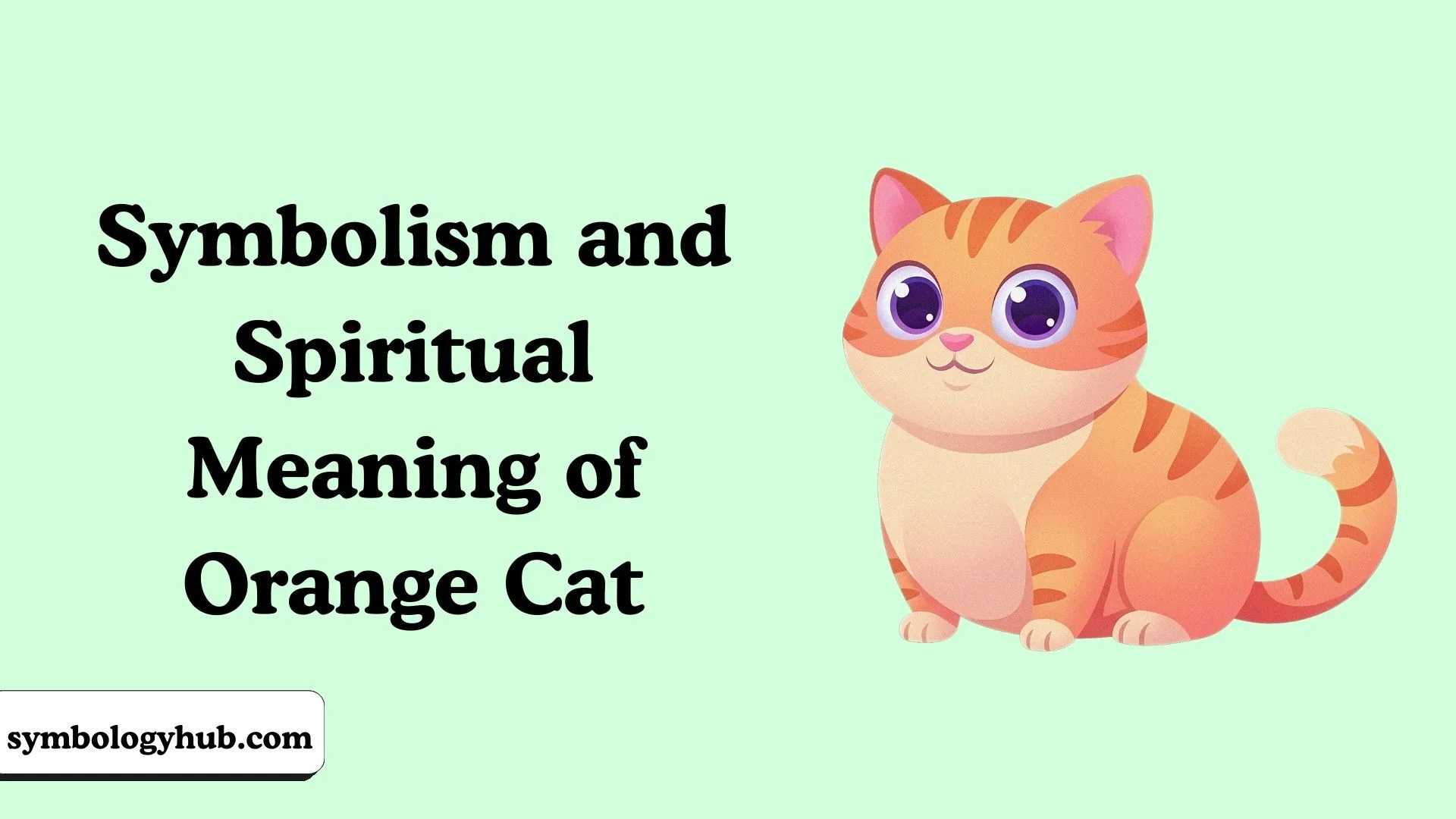
Orange cats have captivated human imagination for centuries. Known for their striking amber coats and playful personalities, they are more than just beloved pets—they carry deep symbolic and spiritual meanings. In the United States, these cats are often associated with warmth, luck, and comfort, but their significance stretches across cultures and spiritual traditions worldwide.
For Americans, encountering an orange cat can evoke curiosity, joy, and sometimes mystery. Their appearance in homes, folklore, and media has made them cultural icons, often representing vitality, creativity, and protection. Beyond their visible charm, orange cats hold a fascinating place in history, mythology, and symbolism—a story that intertwines human perception with natural beauty.
Did You Know?
Did you know that orange cats are often seen as symbols of luck, warmth, and vitality in the USA? Historically, their fiery coats were associated with sunlight and protection, and in some cultures, they were believed to guide intuition and personal transformation. Today, they appear in popular media, home décor, tattoos, and social media, continuing their legacy as charismatic and spiritually significant companions that brighten both physical and emotional spaces.
Overview of Orange Cat Symbolism
Orange cats are instantly recognizable by their bright, fiery fur, ranging from deep ginger to pale apricot. Their coats often display stripes or swirls, adding to their unique charm. They are frequently depicted in sitting or alert postures, symbolizing watchfulness, curiosity, and warmth.
Key Associations
• Energy and vitality, reflecting their playful nature.
• Warmth and companionship, as their color evokes sunlight.
• Protection and guardianship in folklore traditions.
• Creativity and social charm, linked to their friendly demeanor.
Emotional and Psychological Symbolism
Encountering an orange cat often brings feelings of comfort and optimism. Their presence may subconsciously signal happiness, safety, and confidence, making them symbols of emotional balance and positive energy.
Historical Background of Orange Cats
Orange cats trace their significance back centuries. Ancient cultures often viewed cats as mystical animals. In Egypt, cats were considered sacred, guardians of the home, and companions to the spiritual world. While specific references to orange cats are scarce, their coloring—associated with fire and the sun—connected them to vitality, life force, and divine energy.
Ancient Roots
• Egyptians: Cats as protectors of households and symbols of fertility.
• Norse mythology: Orange or red-furred cats linked to Freyja, goddess of love and war.
• Medieval Europe: Cats’ colors often tied to superstitions, with orange cats sometimes seen as lucky.
Evolution in America
When European settlers brought cats to North America, orange tabbies quickly became a familiar presence in homes and farms. Their bold coloration made them memorable in folklore, literature, and later, media, reinforcing positive symbolic associations.
Symbolism in the USA
In contemporary American culture, orange cats are seen as friendly, lucky, and creative companions. They frequently appear in popular media, from comics to films, embodying personality traits like cleverness, loyalty, and spirited energy.
Cultural Associations
• Autumn imagery and Halloween decorations often feature orange cats.
• Folklore emphasizes luck and protection in households.
• Schools and sports teams occasionally use orange cats as mascots symbolizing courage and vitality.
• Social media celebrates orange cats as symbols of positivity and quirky charm.
Table: Orange Cat Symbolism in American Context
| Context | Meaning in the USA | Common Associations | Notes |
| Home pets | Warmth, companionship | Family, comfort, energy | Popular in households for their friendly nature |
| Folklore | Good fortune, protection | Luck, guardianship | Seen in stories as protective spirits |
| Media & literature | Cleverness, charm | Playfulness, wit | Frequently in cartoons, books, movies |
| Holidays | Autumn, Halloween | Festivity, creativity | Often used decoratively in seasonal celebrations |
Cross-Cultural and Spiritual Meanings
While American interpretations focus on luck and warmth, other cultures expand the orange cat’s symbolic meaning. In Eastern traditions, orange or ginger cats are sometimes linked to prosperity and personal transformation. Spiritual practitioners often view them as guides for intuition and self-expression, reflecting their energetic and bold coloring.
Brief Highlights
• Japan: Ginger cats may represent luck and wealth.
• Celtic folklore: Cats with fiery coats often symbolized mystical knowledge.
• Spiritual guidance: Orange cats may appear in meditation or dream symbolism, encouraging insight.
Emotional and Psychological Meaning
Psychologically, the orange cat’s color evokes joy, confidence, and creativity. Observers often experience uplifted moods around them. Their playful energy and affectionate behavior can symbolize emotional openness and resilience, reinforcing the idea that they are companions not just for homes, but for personal growth and well-being.
Emotional Triggers
• Warmth and optimism due to bright, sun-like fur.
• Curiosity and alertness inspire mental engagement.
• Loyalty and friendship promote feelings of security.
• Vibrant presence encourages creativity and self-expression.
Modern Usage of Orange Cats
Today, orange cats appear in multiple cultural and personal contexts. From tattoos and home décor to social media accounts celebrating “ginger cats,” their symbolism translates into modern self-expression. Brands sometimes use orange cats to evoke warmth, trust, or playfulness.
Popular Modern Uses
• Tattoos: Symbol of protection, vitality, or personal identity.
• Social media: Memes and videos highlighting quirky personalities.
• Home décor: Figurines or artwork promoting warmth and comfort.
• Fashion: Orange cat prints as playful, creative motifs.
Misunderstandings and Controversies
Orange cats are generally viewed positively, but superstitions occasionally misinterpret them. In some folklore, cats of certain colors were wrongly considered omens. Modern media sometimes exaggerates temperament traits (like laziness or mischief), which can create misleading stereotypes.
Key Considerations
• Misattributed aggression or luck myths.
• Rare negative associations in superstition-based stories.
• Media stereotypes exaggerate personality traits.
• Importance of understanding symbolism contextually.
Shifts in Meaning Over Time
Over the centuries, the orange cat’s symbolism has evolved. From sacred guardians in ancient cultures to household companions in the USA, their meaning has shifted from mystical protection to emotional and aesthetic enrichment. Modern interpretations often merge historical reverence with personal connection and social media celebration.
Evolution Highlights
• Ancient: Divine protection, sacred energy.
• Medieval: Superstition, occasional fear or caution.
• Modern USA: Luck, warmth, creativity, and companionship.
Read More: What Does It Mean When Your Finger Itches Spiritually?
Tattoos and Personal Expression
Orange cats inspire personal symbolism in tattoos and artwork. They often represent individuality, optimism, and resilience. The choice of orange fur highlights energy and vitality, appealing to those who seek visual representations of personality and spiritual connection.
Media and Pop Culture Influence
From Garfield comics to viral cat videos, orange cats have become symbols of humor, intelligence, and charm. Their visual distinctiveness makes them memorable icons, shaping perceptions in ways that reinforce both affection and symbolic recognition.
Table: Summary of Symbolism Across Contexts
| Use | Symbolic Meaning | Emotional Impact | Notes |
| Household | Comfort, companionship | Safety, warmth | Most common daily encounter |
| Tattoos | Resilience, individuality | Confidence, pride | Personal expression |
| Media | Humor, cleverness | Joy, engagement | Pop culture reinforcement |
| Spiritual | Intuition, guidance | Reflection, insight | Meditation or dream symbolism |
FAQs:
What does it mean if an orange cat visits your home?
It often symbolizes warmth, luck, or positive energy entering your space.
Are orange cats considered lucky in the USA?
Yes, many view them as symbols of good fortune and joyful companionship.
Do orange cats have spiritual significance?
In addition to warmth and luck, they are sometimes seen as guides for intuition and insight.
Can the color of a cat affect its symbolism?
Absolutely. Orange evokes energy, confidence, and vitality, influencing emotional perception.
Are there any negative beliefs about orange cats?
Historically, myths occasionally cast certain cats as omens, but today they are mostly positive symbols.
How are orange cats represented in modern media?
Often as playful, clever, and charismatic characters, reinforcing charm and friendliness.
Conclusion:
The orange cat symbolises warmth, vitality, and luck in the USA, while also carrying broader spiritual and cultural meanings. Its history—from ancient sacred animals to modern pop culture icons—reveals a fascinating evolution. Whether encountered in a home, artwork, or social media, the orange cat continues to inspire joy, curiosity, and personal reflection. Embracing their symbolic richness can deepen our connection to both nature and culture, reminding us that even small, everyday companions hold profound significance.


Post Comment