Symbolism and Spiritual Meaning of Seeing a Dead Rat
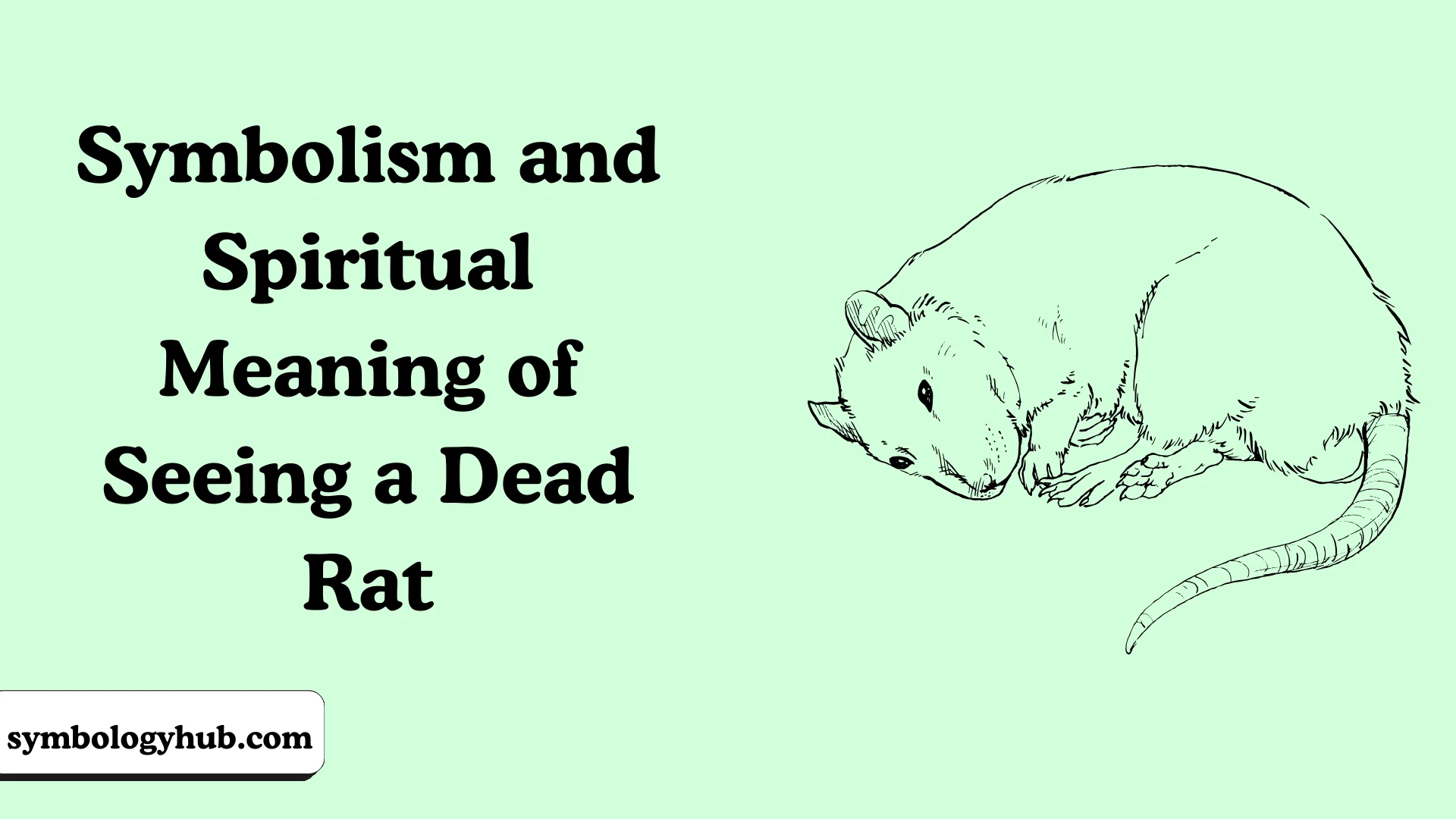
Seeing a dead rat can feel unsettling or surprising, but in symbolism and spirituality, it carries layered meanings. In the USA, people often associate this vision with endings, hidden dangers, or warnings, while others interpret it as a signal to reflect on personal challenges or transformations. Beyond immediate fear or disgust, the dead rat functions as a symbolic messenger, connecting physical reality to psychological, cultural, and spiritual insights.
Understanding the symbolism and spiritual meaning of seeing a dead rat helps people decode these signs thoughtfully. From ancient mythological roots to contemporary interpretations in media and personal experiences, this symbol carries messages about survival, caution, and societal observation. Its meaning can differ depending on context, emotional state, and cultural background.
Many Americans report noticing a dead rat in alleyways, homes, or even dreams, and wonder if it signals something significant. By exploring history, cross-cultural connections, and modern usage, we can better understand why this symbol resonates today.
Did You Know?
Did you know that seeing a dead rat has been considered a symbolic warning for centuries? In ancient Europe, it was linked to plagues and societal decay, while in China and India, it sometimes represented missed opportunities or the end of karmic cycles. Today in the USA, a dead rat often signals hidden dangers, personal reflection, or life transitions, showing that this symbol has persisted across cultures and continues to carry psychological and spiritual meaning.
Overview of the Symbolism of a Dead Rat
The dead rat represents more than just decay; it’s a symbolic messenger. Its presence can point to endings, hidden threats, or revelations that need attention. In the USA, rats themselves often embody cunning, survival, or disease, so a dead one can indicate resolution or exposure of previously hidden challenges.
Physical Characteristics
• Small, gray or brown body lying motionless.
• Sometimes found in urban or rural environments.
• Associated odors can enhance emotional impact.
• Context matters: indoor vs. outdoor sightings change interpretation.
Core Symbolic Themes
• Endings or closure of problematic situations.
• Revelation of hidden truths or dangers.
• Survival and resilience lessons.
• Reminder to address neglected issues in life.
Historical Background of Dead Rat Symbolism
Dead rats appear in folklore, mythology, and historical narratives worldwide. Ancient cultures often saw rats as clever survivors; their deaths could signal divine warning or societal decay.
Ancient and Pre-Christian Roots
• In Mesopotamia, rats were sometimes omens in divination practices.
• European medieval texts linked dead rats to disease or plague, symbolizing societal collapse.
• In Chinese folklore, rats are clever and resourceful, making their death a symbolic warning of lost opportunity or vigilance.
Evolution in Western History
• 17th–19th centuries: dead rats often illustrated literature about urban dangers.
• Plague imagery reinforced associations with hygiene and mortality.
• By the 20th century, urbanization reframed dead rats as common warnings about societal or personal neglect.
Symbolism in the USA
In contemporary American culture, seeing a dead rat often triggers a mix of disgust, reflection, and superstition.
Urban Life and Media Influence
• Urban sightings highlight issues of sanitation, societal neglect, or hidden struggles.
• Movies, TV, and social media frequently portray dead rats as symbols of decay or revelation.
Emotional and Moral Lessons
• Can signal the need to confront hidden threats in personal or professional life.
• Associated with endings of toxic relationships or situations.
• Often interpreted as a nudge toward self-awareness and caution.
Table: Dead Rat Symbolism in USA Context
| Context | Meaning in the USA | Common Associations | Notes |
| Alleyway or street | Urban neglect, hidden dangers | Fear, vigilance | Highlights environmental or social decay |
| Indoor sighting | Personal problems or betrayal | Shock, reflection | May prompt action or attention |
| Dreams | Subconscious warning | Anxiety, insight | Interpretation depends on dream context |
| Media imagery | Society critique or decay | Cultural reflection | Used metaphorically in news/art |
Cross-Cultural and Spiritual Meanings
Globally, dead rats carry symbolic weight beyond fear or disgust.
Spiritual Perspectives
• In Hinduism, the rat is linked to Ganesha; a dead rat may symbolize the end of a karmic cycle.
• In Chinese culture, it can represent lost vigilance or missed opportunities.
• Some African folklore sees dead animals as omens or ancestral messages.
Caution on Interpretation
• Symbolism varies; context and belief system matter.
• Avoid assuming universal meaning across cultures.
Emotional and Psychological Associations
Dead rats evoke strong reactions, from disgust to contemplation. Psychologically, they signal endings, hidden issues, or personal vigilance.
Common Feelings
• Anxiety or fear in immediate sighting.
• Reflection on personal boundaries or unresolved problems.
• Awareness of mortality and environmental hazards.
Identity and Mindset
• May attract people who notice signs or patterns in everyday life.
• Suggests attentiveness, caution, and problem-solving tendencies.
Modern Usage in the USA
Dead rats appear symbolically in art, media, and personal expression.
Tattoos and Fashion
• Minimalist or urban-style tattoos referencing mortality or vigilance.
• Streetwear or graphic prints use rat imagery metaphorically.
Home Décor and Pop Culture
• Illustrative posters or art installations conveying cautionary messages.
• Featured in memes or social media as metaphor for ending toxic behavior.
Holiday and Ritual Contexts
• Rarely used in mainstream holidays, though sometimes in Halloween symbolism.
• Appears in occult or symbolic art depicting endings or hidden truths.
Read More: Spiritual Gangster Meaning: What It Truly Represents
Misunderstandings and Controversies
Dead rats can provoke fear, superstition, or misinterpretation.
Common Misuses
• Associating them solely with disease, ignoring symbolic nuance.
• Using imagery to intimidate or stigmatize communities.
Shifts in Meaning
• From literal plague symbol to metaphorical life lesson.
• Modern viewers may interpret the image emotionally rather than historically.
Shifts Over Time
The meaning of dead rats evolved with urbanization, cultural exposure, and media.
Timeline Highlights
• Ancient omen → medieval plague symbol → modern psychological/metaphorical sign.
• Literature and art helped reframe the symbol as a cautionary or reflective tool.
• Today, both literal and metaphorical readings coexist in American culture.
Related Symbolic Patterns
Dead rats connect to broader symbols of decay, warning, and transformation.
Similar Symbols
• Dead birds – endings, messages, transitions.
• Broken mirrors – self-reflection, caution.
• Urban debris – neglected environments, social decay.
FAQs:
What does seeing a dead rat in your home mean spiritually?
It often signals hidden problems or endings in personal life. It may also urge reflection and caution.
Is a dead rat a bad omen in American culture?
Not necessarily; it usually represents endings or warnings rather than permanent misfortune.
Can seeing a dead rat symbolize transformation?
Yes, in many spiritual interpretations, it signals clearing the old to make space for the new.
How do cultural beliefs affect dead rat symbolism?
Meanings vary; Hindu, Chinese, and African traditions may emphasize karmic cycles, vigilance, or ancestral messages.
Should I worry if I see a dead rat outside?
Mostly, it’s symbolic rather than literal, prompting awareness of personal or environmental issues.
Conclusion:
The symbolism and spiritual meaning of seeing a dead rat encompasses endings, caution, and revelation. In the USA, it blends urban, psychological, and cultural interpretations, serving as a reflective warning or life lesson. Globally, it can also represent transformation, vigilance, or karmic insight. While initially unsettling, understanding its layers allows us to approach such symbols thoughtfully, using them as prompts for awareness, personal growth, or reflection on the world around us.
Dead rats remind us that endings often carry messages—inviting caution, insight, and readiness for change. By observing and reflecting, Americans today can decode these signs with curiosity and care.


Post Comment