Symbolism and Spiritual Meaning of the Raven
Ravens have long captured human imagination with their glossy black feathers, piercing eyes, and enigmatic presence. The symbolism and spiritual meaning of the raven reaches far beyond simple folklore, weaving through mythology, literature, and modern culture. In the United States, these birds often appear as emblems of mystery, intelligence, and transformation. Their presence in art, tattoos, and storytelling reflects a fascination with their complex symbolism, blending fear, respect, and curiosity.
From ancient mythologies to contemporary pop culture, the raven’s meaning has evolved, yet certain themes endure: wisdom, change, and the bridge between life and death. Americans, in particular, embrace the raven in literature, film, and even holiday traditions, where it embodies reflection, adaptability, and the unknown. Understanding its layers offers insight into both personal and cultural values today.
Ravens are not just ominous birds; they are mirrors of human curiosity and symbolic depth, appearing across spiritual, psychological, and artistic contexts. Their black plumage, haunting calls, and clever behavior make them both feared and admired. By exploring their history, spiritual significance, and modern uses, we can see why the raven continues to resonate with Americans and global audiences alike.
Did You Know?
Did you know that ravens are among the most intelligent birds in the world, capable of using tools, solving complex problems, and even mimicking human sounds? In the United States, they are often seen as symbols of mystery, transformation, and wisdom, appearing in literature, art, and spiritual practices. Historically, ravens were considered messengers between worlds in Norse and Native American traditions, highlighting their deep cultural and spiritual significance that continues to inspire modern tattoos, home decor, and storytelling today.
Overview of Raven Symbolism
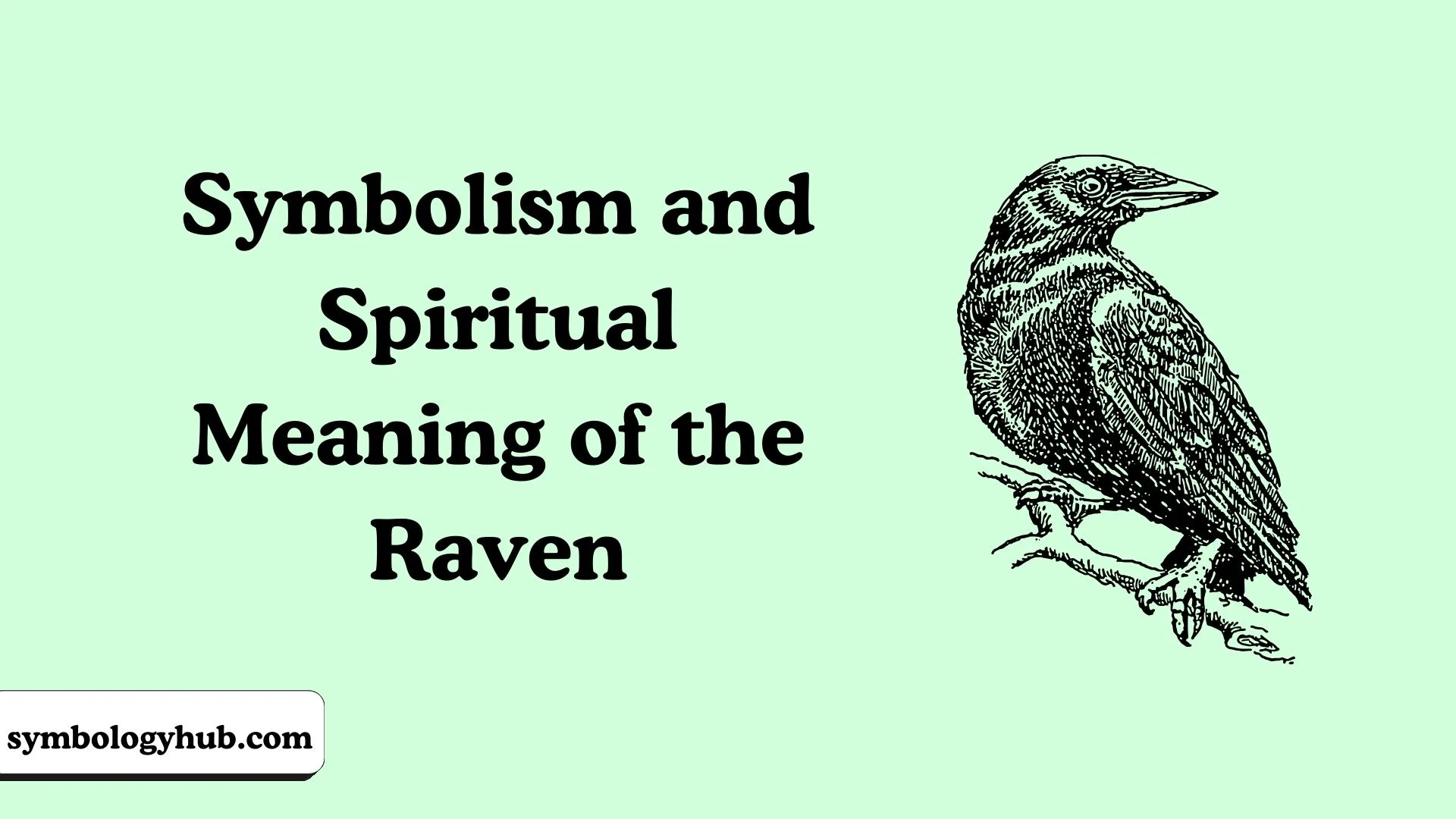
Ravens are large, black birds with glossy feathers and sharp, curved beaks. They appear in myths, stories, and visual arts worldwide.
Physical and Behavioral Traits
• Glossy black plumage often associated with mystery and power.
• Loud, harsh calls signal intelligence and awareness.
• Known for problem-solving skills and playful behavior.
• Often seen alone or in pairs, emphasizing duality or solitude.
Symbolic Core
• Intelligence: problem-solving and keen observation.
• Transformation: linked to life, death, and change.
• Mystery: evokes curiosity, fear, and the unknown.
Historical Background
Ravens have held symbolic roles for thousands of years.
Ancient Roots
• In Norse mythology, Odin’s ravens Huginn and Muninn represented thought and memory.
• Celtic traditions viewed ravens as messengers between worlds.
• Native American cohorts often considered them creators, tricksters, or spiritual guides.
Medieval to Modern Europe
• In medieval Europe, ravens were sometimes omens of war or death.
• Shakespeare popularized ravens as mysterious, intelligent birds in literature.
Symbolism in the USA
Ravens occupy a rich cultural space in American identity.
Literature and Media
• Edgar Allan Poe’s “The Raven” immortalized the bird as a symbol of sorrow and reflection.
• Modern films often use ravens to suggest mystery or foreboding.
Folklore and Tradition
• Native American interpretations vary: some cohorts view ravens as wise teachers.
• Halloween and gothic aesthetics often feature ravens as symbols of the supernatural.
Cross-Cultural and Spiritual Meanings
While the USA interpretation emphasizes mystery and intelligence, other cultures add depth.
• Celtic: Ravens signal prophecy and protection.
• Norse: Messengers of gods and knowledge.
• Asian: Symbols of filial piety and longevity.
• Spiritual guidance: Often seen as a sign of introspection or change.
Emotional and Psychological Associations
Ravens evoke both fear and fascination.
Feelings and Mindsets
• Mystery and curiosity: their presence sparks wonder.
• Transformation: linked to life transitions.
• Solitude and introspection: often associated with reflection.
• Shadow aspects: representing inner thoughts or the unknown.
Modern Usage
Ravens appear widely in tattoos, home decor, fashion, and digital culture.
• Tattoos: symbolize intelligence, protection, or transformation.
• Home decor: gothic and nature-inspired designs often include ravens.
• Social media: avatars or imagery reflect mystery or wisdom.
• Holidays: Halloween decorations often feature ravens as symbols of the eerie.
Table: Raven Symbolism in Different Contexts
| Context | Meaning in the USA | Common Associations | Notes |
| Literature | Mystery, sorrow | Gothic, reflective | Poe’s “The Raven” central |
| Native American | Wisdom, creation | Trickster, guide | Varies by cohort |
| Tattoos | Transformation, power | Protection, change | Personal symbolism prevalent |
| Halloween / decor | Mystery, spooky | Gothic, supernatural | Seasonal cultural use |
Misunderstandings and Controversies
Ravens are sometimes miscast as purely ominous or evil.
• Medieval superstition exaggerated negative symbolism.
• Modern media sometimes portrays them as harbingers of doom.
• Distinction: traditional spiritual meanings often focus on guidance and intelligence.
• Cultural sensitivity: Native American interpretations should be respected and accurately represented.
Read More: Symbolic and Spiritual Meaning of 3 Knocks
Shifts Over Time
• Ancient myths emphasized prophecy and divine knowledge.
• Medieval Europe associated them with death and omens.
• Contemporary USA balances mystery, intelligence, and transformation.
• Revivals in literature and media have re-emphasized wisdom and adaptability.
FAQs:
What does a raven symbolize in Native American culture?
Many cohorts see ravens as wise teachers, tricksters, or spiritual guides, emphasizing creativity and transformation.
Are ravens considered good or bad omens in the USA?
Mostly neutral; they symbolize intelligence, mystery, and change rather than purely negative forces.
Why are ravens associated with death?
Historical European superstition linked black birds to war and death, a perception that influenced literature.
Can raven symbolism be personal?
Absolutely—people adopt raven imagery to reflect transformation, introspection, or intelligence in personal art and tattoos.
Do ravens have spiritual meanings outside the USA?
Yes, in Norse, Celtic, and Asian cultures, ravens convey prophecy, guidance, and longevity.
How do ravens appear in modern media?
They appear in literature, films, and digital platforms, often suggesting mystery, intelligence, or transformation.
Conclusion:
The symbolism and spiritual meaning of the raven is rich and layered, spanning intelligence, transformation, and mystery. From ancient myths to modern American culture, ravens reflect both the natural world and human imagination. Their presence in literature, art, and personal symbolism shows how this enigmatic bird continues to resonate. Whether seen as a guide, a symbol of reflection, or a reminder of change, the raven encourages contemplation and respect for the mysteries of life.



Post Comment