Vulture Spiritual Meaning and Symbolism in America
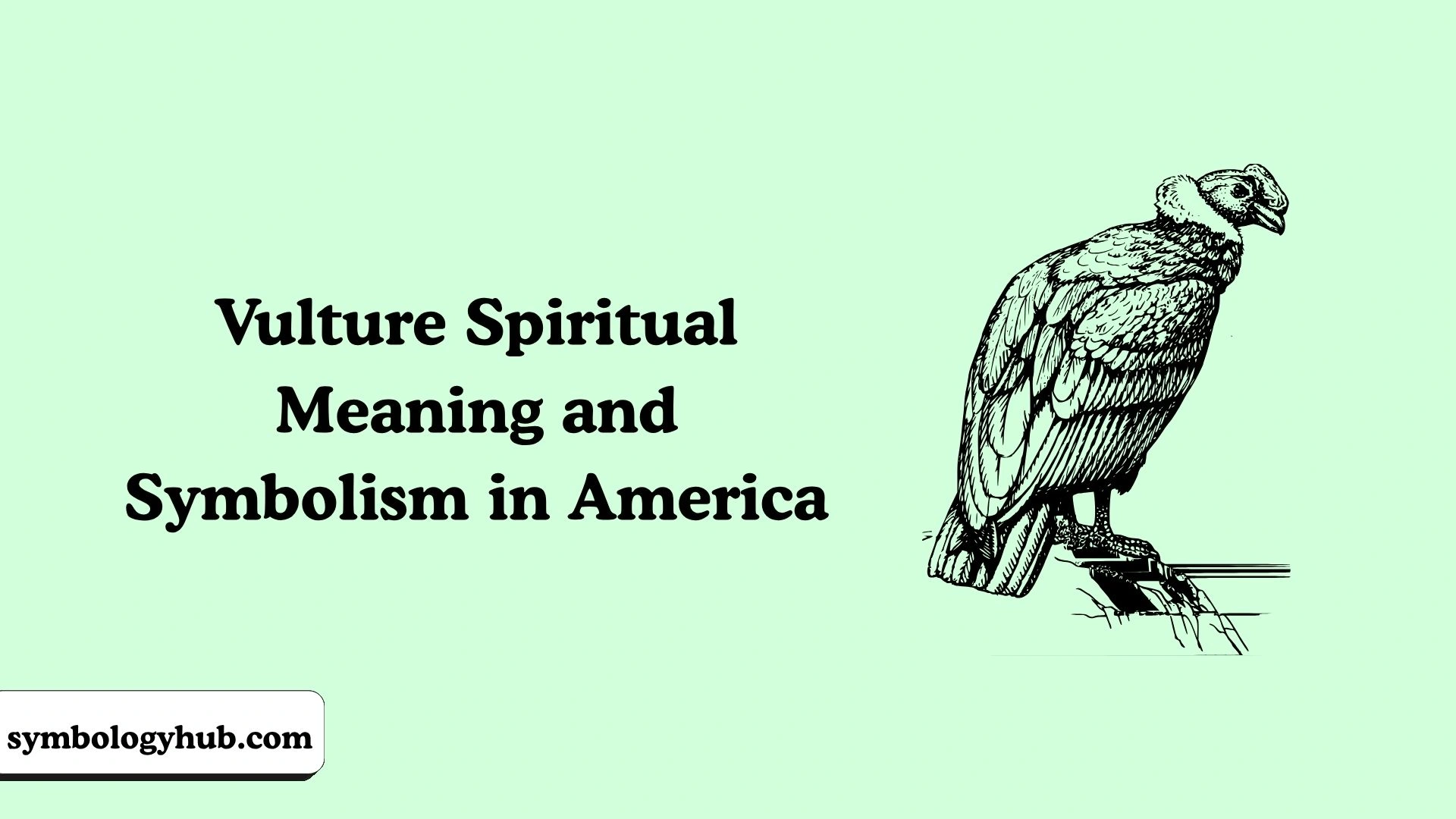
The vulture, often misunderstood, carries deep spiritual meaning and symbolism that resonates across cultures, particularly in the United States. While many immediately associate vultures with death or decay, their role in nature and spirituality is far more nuanced, representing cycles of renewal, insight, and transformation.
In the U.S., vultures appear in art, media, and even personal symbols like tattoos or home décor, reflecting both curiosity and reverence. Their unique habits—soaring high, circling patiently, and cleansing the environment—have inspired humans to view them as emblems of wisdom, patience, and survival. Understanding vulture symbolism helps uncover how Americans interpret life, death, and rebirth in cultural and personal contexts.
From ancient myths to modern symbolism, the vulture’s role has evolved, offering lessons on resilience and perspective. Exploring this bird’s spiritual meaning reveals not just cultural attitudes but also deep emotional and psychological associations that continue to influence modern life.
Did You Know?
Did you know that vultures are essential for the environment, acting as natural cleaners by consuming carrion and preventing the spread of disease? Beyond their ecological role, they hold deep spiritual significance, symbolising renewal, patience, and transformation across cultures. In the United States, many people associate vultures with insight and resilience, rather than just death, while in ancient Egypt, they were revered as protective symbols of motherhood and guidance. Their unique ability to soar high and observe from above also makes them a metaphor for perspective and spiritual awareness.
Overview of Vulture Symbolism
Understanding the vulture’s symbolism begins with its appearance and behavior, which naturally conveys certain meanings.
Physical Appearance and Context
• A large wingspan with graceful soaring flight signals freedom and perspective.
• Bald head and strong beak represent resilience and adaptation.
• Dark feathers are often linked to mystery, transformation, and shadow aspects.
• Circling in groups symbolizes observation, vigilance, and patience.
Vultures’ natural role as scavengers emphasizes cleansing and recycling energy, making them spiritual symbols of letting go and renewal.
Historical Background

The vulture has held symbolic significance for thousands of years, long before modern interpretations.
Ancient Roots
• Ancient Egypt: Vultures were sacred, associated with the goddess Nekhbet, symbolizing protection and maternal care.
• Native American traditions: Seen as spiritual guides and keepers of the balance between life and death.
• Greek and Roman myths: Often linked to divine omens or as creatures bridging life and the afterlife.
• Pre-Christian Europe: Birds of prey, including vultures, symbolized transformation and cyclical nature.
Timeline of Evolution
| Era | Symbolic Meaning | Notes |
| Ancient Egypt | Protection, maternal care | Associated with goddess Nekhbet |
| Native American | Life-death balance, guidance | Ceremonial use in storytelling |
| Classical Greece | Omens, divine signs | Mixed positive and negative connotations |
| Modern USA | Insight, patience, resilience | Focus on spiritual growth and perspective |
Spiritual Meaning in the USA
In American culture, vultures are increasingly seen as symbols of insight, transformation, and resourcefulness.
American Interpretations
• Represent letting go of the past and embracing change.
• Symbolize patience and vigilance, observing life from a higher perspective.
• Inspire resilience, thriving in challenging circumstances.
• Sometimes appear in art and literature as guides through personal or societal transitions.
Unlike older associations with death, the modern U.S. view emphasizes spiritual and psychological growth.
Cross-Cultural and Spiritual Meanings
Although the focus is American, vultures carry rich spiritual significance worldwide.
• Tibetan Buddhism: Seen as agents of sky burials, symbolizing generosity and impermanence.
• Hinduism: Occasionally associated with cleansing and removing negativity.
• African cultures: Represent adaptation, intelligence, and the ability to survive harsh conditions.
• Mexican traditions: Vultures sometimes appear in art representing renewal after death.
These interpretations often converge around themes of transformation, cleansing, and life cycles.
Emotional and Psychological Associations
Vultures evoke complex feelings, reflecting human emotions and instincts.
Psychological Insights
• Observing vultures can invoke a sense of calm detachment and perspective.
• Their survival skills inspire confidence and adaptability in difficult situations.
• May trigger discomfort due to cultural bias, highlighting shadow work or confronting fears.
• Symbolically, they encourage letting go of emotional baggage and embracing new opportunities.
Modern Usage
Vultures appear in art, fashion, home décor, and digital media, carrying positive or reflective messages.
• Tattoos: Popular for themes of rebirth, patience, or resilience.
• Social media: Used as metaphors for observation or survival instincts.
• Home décor: Sculptures or paintings representing transformation.
• Pop culture: Appear in films or literature as symbols of insight and vigilance.
Their presence often celebrates personal growth and unique perspective rather than negative connotations.
Misunderstandings and Controversies
Despite positive symbolism, vultures are sometimes misunderstood.
• Often linked to death, decay, and scavenging in the media.
• Can be used negatively to symbolize predation or exploitation.
• Misuse in symbolism can distort historical meanings, ignoring spiritual lessons.
• Contemporary educators and artists encourage reframing vultures as symbols of renewal.
Understanding these contexts allows Americans to appreciate vultures beyond stereotypes.
Read More: Squirrel Spiritual Meaning and Symbolism Explained
Shifts in Symbolism Over Time
Vulture symbolism has evolved significantly, reflecting cultural and environmental changes.
• From omens of death to emblems of resilience and transformation.
• Modern U.S. emphasis highlights psychological growth and spiritual perspective.
• Older negative interpretations remain niche, often in folklore or media.
• Increased environmental awareness reinforces respect for vultures as vital ecological agents.
Table: Vulture Symbolism Across Contexts
| Context | Meaning in the USA | Common Associations | Notes |
| Tattoos | Rebirth, patience | Insight, resilience | Personal growth symbolism |
| Art & Décor | Transformation | Freedom, perspective | Abstract or realistic depictions |
| Literature & Film | Vigilance, survival | Mystery, guidance | Often metaphorical |
| Spiritual Practices | Cleansing, renewal | Life cycles, impermanence | Ceremonial use less common in modern USA |
FAQs:
What does a vulture symbolize spiritually?
Vultures symbolize renewal, insight, and transformation, reminding us to let go of what no longer serves us.
Are vultures considered lucky or unlucky in the USA?
They are mostly neutral or positive, representing patience and perspective rather than misfortune.
Why do vultures appear in tattoos and art?
They symbolize resilience, rebirth, and spiritual growth, making them meaningful personal symbols.
How do American views differ from other cultures?
The U.S. focuses on personal insight and transformation, while other cultures emphasize cleansing and life cycles.
Can vultures represent death?
Yes, but more as a transition or cycle rather than an ominous sign.
What emotional impact does seeing a vulture have?
They can evoke reflection, resilience, and awareness of life’s cycles, balancing fear with respect.
Conclusion:
The vulture embodies spiritual wisdom, transformation, and renewal, offering lessons on patience and resilience. In the United States, the bird has shifted from a feared scavenger to a symbol of insight, perspective, and growth. Understanding its symbolism encourages reflection on life cycles, letting go, and embracing change.
By exploring the vulture’s rich history, cross-cultural significance, and modern uses, we can appreciate its role as more than just a bird. Whether through art, tattoos, or spiritual contemplation, the vulture continues to inspire awareness, adaptability, and a renewed perspective on life.


Post Comment