Wolf Symbolism: Animal Meaning and Interpretation in America
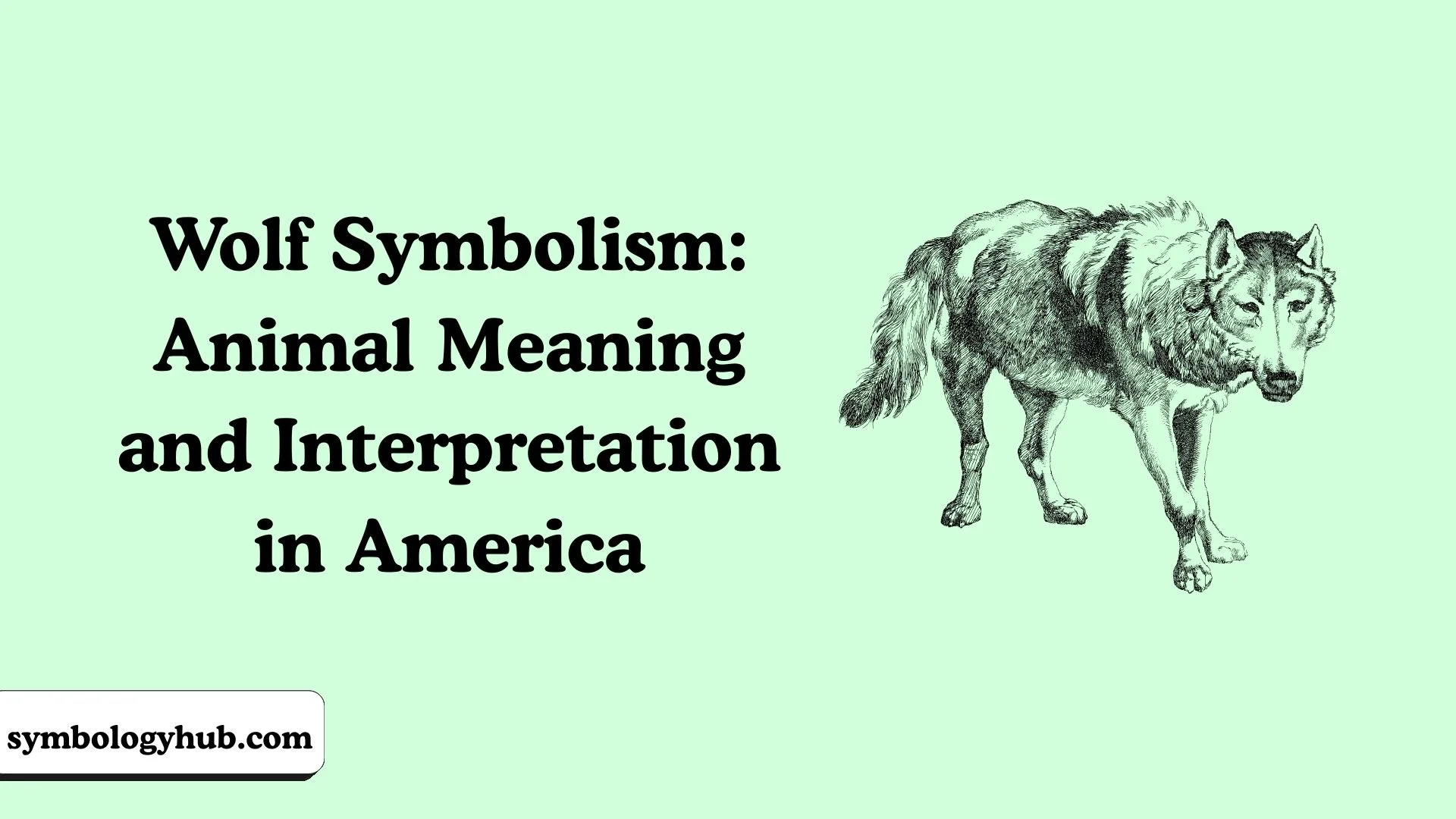
The wolf has long captivated human imagination, blending mystery, power, and spiritual resonance. Wolf symbolism represents both the wildness of nature and the complex traits of humanity. Across the United States, this animal embodies freedom, loyalty, and resilience, appearing in folklore, literature, tattoos, and modern pop culture. Understanding the wolf’s symbolism allows us to connect with deeper archetypes of community, instinct, and survival.
From ancient myths to contemporary interpretations, wolves have evolved as symbols of strength, independence, and intuition. Many Americans resonate with these traits personally or collectively, using wolf imagery in art, fashion, and even social media. By exploring its historical roots and cross-cultural significance, we uncover how the wolf continues to influence modern identity and emotional expression.
The wolf also carries a spiritual dimension, appearing in Native American lore, European folklore, and global mythologies. Its dual nature—both fierce and nurturing—offers insight into human psychology and societal values. This article dives into the meaning, history, and modern interpretation of wolf symbolism in the USA and beyond.
Did You Know?
Did you know that wolves communicate using complex howls, body language, and facial expressions, creating one of the most sophisticated social systems in the animal kingdom? In the United States, wolves are often seen as symbols of loyalty, intelligence, and freedom, reflecting their strong pack bonds and cooperative hunting strategies. Beyond America, many cultures view wolves as spiritual guides or protectors, while modern interpretations in tattoos, media, and home decor emphasize independence and instinctual wisdom. Their dual nature—both fierce and nurturing—makes the wolf a powerful and enduring symbol worldwide.
Overview of Wolf Symbolism
Wolves are powerful symbols because they reflect both nature’s ferocity and social cohesion. Their imagery often includes gray or white fur, piercing eyes, and a posture suggesting alertness, strength, or protective care.
Core Attributes
• Loyalty: Wolves are pack animals, symbolizing strong family and social bonds.
• Instinct: Representing natural wisdom and intuition in decision-making.
• Freedom: Their roaming behavior highlights independence and an untamed spirit.
• Strength: Physical and symbolic power, resilience against challenges.
Historical Background of Wolf Symbolism
Wolves have been meaningful to humans for thousands of years. Ancient civilizations often portrayed wolves as both protectors and predators.
Ancient Roots
• Prehistoric Europe: Cave paintings show wolves as respected hunters and guides.
• Norse Mythology: Wolves like Fenrir symbolize chaos, power, and transformation.
• Roman & Greek Lore: Wolves associated with guardianship, e.g., Romulus and Remus.
• Native American Traditions: Wolves are spiritual teachers and pathfinders, emphasizing guidance and loyalty.
Over time, wolf symbolism shifted in Europe from fear and danger to mystical reverence, while in the Americas, it retained a balance of caution and respect.
Symbolism in the USA
Wolves in the United States carry distinct cultural and emotional meanings, shaped by both history and media.
American Identity
• Wild West & Frontier: Wolves represented untamed landscapes and survival skills.
• Pop Culture: Films, literature, and TV often depict wolves as mysterious or heroic.
• National Parks & Conservation: Wolves symbolize environmental balance and wildlife protection.
• Team Spirit & Community: Wolves’ pack dynamics inspire ideas of teamwork and loyalty.
| Context | Meaning in the USA | Common Associations | Notes |
| Wildlife Conservation | Balance & protection of ecosystems | Gray wolf sightings, reintroduction programs | Emblematic of environmental awareness |
| Folklore & Literature | Mystery, intelligence, heroism | Stories, novels, animated films | Often anthropomorphized |
| Tattoos & Fashion | Independence, strength | Wolf tattoos, clothing designs | Symbol of personal identity |
| Holidays & Media | Leadership, cunning | Movies, art, Halloween decor | Can blend fear and admiration |
Cross-Cultural and Spiritual Meanings
Globally, wolves appear as symbols of guidance, cunning, and balance.
Examples
• Celtic Culture: Wolves linked to transformation and protection of sacred spaces.
• Japanese Folklore: Wolves protect travelers and symbolize loyalty to the community.
• Shamanic Traditions: Wolves as spirit animals guide inner wisdom and courage.
• Modern Spirituality: Represent independence, intuition, and self-discovery.
Emotional and Psychological Associations
Wolves evoke deep feelings and inspire reflection on human behavior.
• Courage and confidence in facing challenges.
• Awareness of instincts and inner guidance.
• Respect for social bonds and leadership roles.
• A sense of mystery, adventure, and personal freedom.
• Reflection on balancing aggression and nurturing within relationships.
Modern Usage of Wolf Symbolism
Today, wolf symbolism thrives in diverse ways in the USA.
Tattoos and Fashion
• Wolves tattooed for strength, family loyalty, and personal freedom.
• Clothing brands use wolf imagery for rugged or mystical aesthetics.
• Jewelry and accessories feature wolf motifs to signal independence.
Home Decor and Media
• Art prints, sculptures, and wall designs evoke wildness or guidance.
• Films, series, and video games often portray wolves as smart, cunning, or heroic.
• Emojis and social media profiles reflect wolf traits like loyalty or courage.
Read More: Dove Symbolism and Spiritual Meaning
Misunderstandings, Misuse, and Controversies
While often admired, wolves have been misrepresented historically and in modern media.
• Negative stereotypes: ferocity, danger, or destruction.
• Cultural appropriation of Native American wolf imagery without context.
• Fear-based campaigns leading to culling or demonization in some regions.
• Confusion between wolves and domestic dogs in symbolic interpretation.
Shifts Over Time
Wolf symbolism has evolved alongside human perception.
• Ancient fear transformed into respect and fascination.
• European myths gave way to American conservation symbolism.
• Media and pop culture continue to shape personal and collective interpretations.
• Modern audiences blend spirituality, psychology, and aesthetics in wolf symbolism.
FAQs:
What does a wolf tattoo symbolize in America?
It often represents strength, loyalty, and independence, inspired by pack dynamics.
Are wolves seen positively in Native American culture?
Yes, they are guides and teachers, highlighting loyalty and intuition.
Can wolf symbolism represent danger?
Historically, yes, but today it mainly reflects respect and natural power.
Why are wolves popular in modern pop culture?
They embody mystery, intelligence, and the tension between wildness and community.
What emotional traits do wolves symbolize?
Courage, instinct, social loyalty, and the balance between independence and teamwork.
How has wolf symbolism changed over time in the USA?
It shifted from fear and superstition to admiration, conservation, and personal identity.
Conclusion:
Wolf symbolism remains a potent and versatile concept in the USA. From ancient roots to modern tattoos, media, and spiritual practices, wolves convey strength, loyalty, and instinctual wisdom. Understanding these symbols allows us to appreciate both the animal’s natural majesty and the human qualities it mirrors. Whether inspiring courage, creativity, or community, the wolf continues to guide, teach, and captivate.
By reflecting on wolf symbolism today, we connect with the timeless balance of independence and social bonds, reminding us that both freedom and loyalty are essential to the human experience.




Post Comment