Carnation Flower Symbolism: Love, Meaning & History
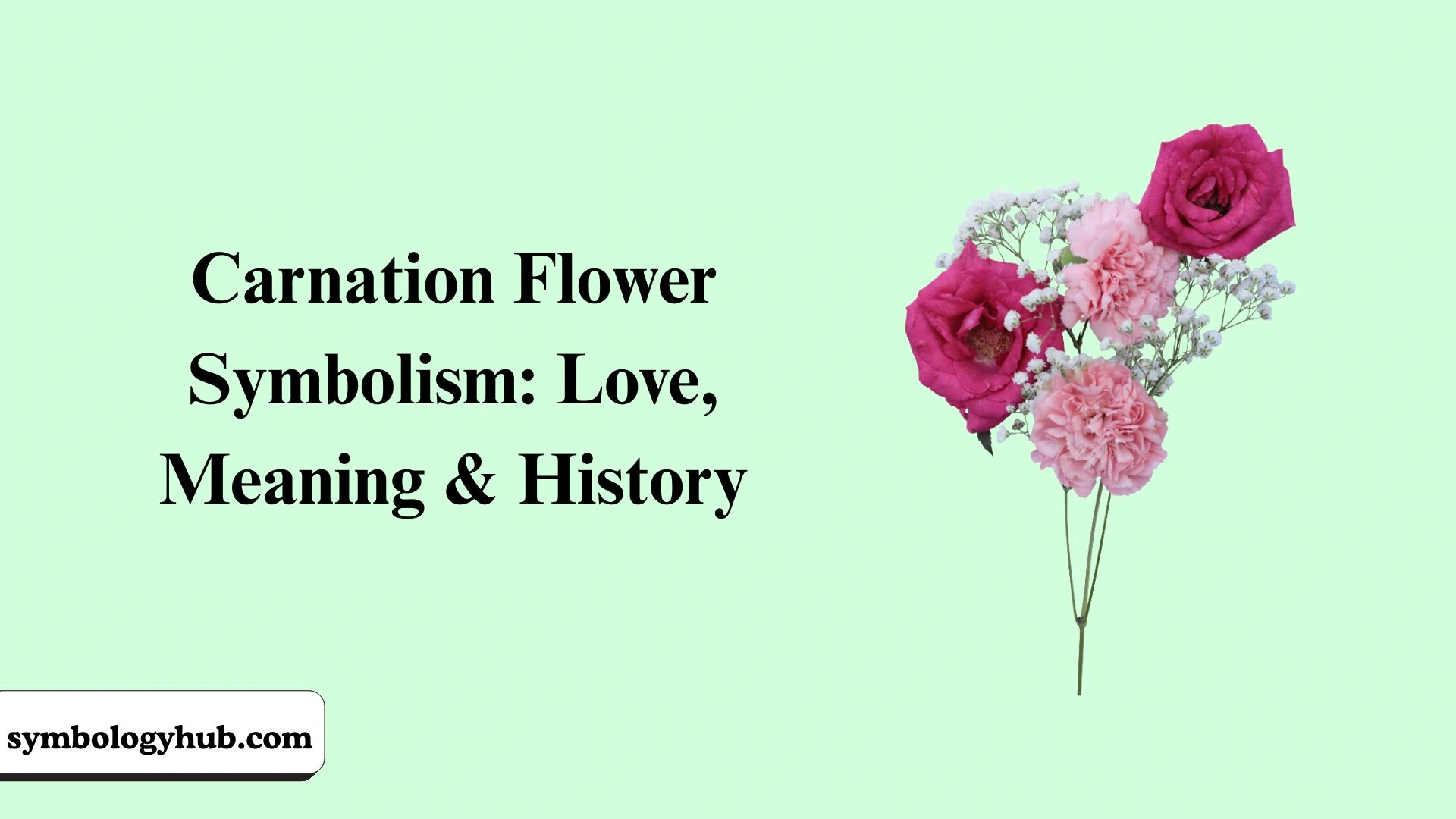
Carnations have stayed popular for generations because they carry deep emotional meaning without feeling overly formal. Today, people use them in bouquets, weddings, funerals, tattoos, and holidays across the United States. Their layered petals and rich colours also make them one of the most recognisable flowers in the world.
The meaning behind flowers often changes by color, culture, and time period. However, carnations continue to symbolize affection, admiration, loyalty, and lasting love in many situations. Because of this, they appear in both joyful and emotional moments.
Carnation Flower Symbolism: Love, Spiritual Meaning & Life Lessons also connects modern readers to older traditions. Ancient cultures, Christian stories, and Victorian flower language all helped shape how people understand carnations today.
Did You Know?
Did you know that carnations are one of the oldest cultivated flowers in the world, with a history stretching back more than 2,000 years? In the United States, they became strongly linked to Mother’s Day after founder Anna Jarvis chose white carnations to honour mothers because of their lasting beauty and gentle fragrance. Interestingly, each carnation colour carries a different emotional meaning, from red for deep love to pink for gratitude and white for remembrance and purity. Because carnations bloom for a long time after being cut, many people also see them as symbols of enduring love, loyalty, and emotional strength.
What Is the Carnation Flower?
Carnations are soft, ruffled flowers from the Dianthus family. Their layered petals create a full appearance that feels both elegant and comforting. Because they bloom in many colors, carnations can communicate different emotions without words.
In the United States, carnations appear everywhere from grocery store bouquets to formal ceremonies. They’re affordable, long-lasting, and emotionally expressive. As a result, many Americans associate them with personal memories and family traditions.
Appearance and Natural Features
Carnations usually have frilled petals and a spicy, clove-like scent. Most varieties bloom in shades of pink, red, white, yellow, purple, and peach.
• Red carnations often symbolize deep love.
• Pink carnations represent gratitude and affection.
• White carnations connect with purity and remembrance.
• Yellow carnations may symbolize disappointment or rejection.
• Purple carnations can suggest unpredictability or fascination.
Why Carnations Feel Emotionally Powerful
The flower’s soft texture creates a gentle emotional feeling. Unlike dramatic roses, carnations often feel sincere and comforting instead.
Because they last longer than many flowers, people also connect carnations with endurance and loyalty. That lasting quality adds emotional depth to their symbolism.
History and Ancient Origins of Carnations
Carnations have existed for over 2,000 years. Historians believe they first grew around the Mediterranean region before spreading across Europe and Asia.
Over time, civilizations attached spiritual and emotional meaning to the flower. Today’s symbolism still reflects many of those older ideas.
Ancient Greek and Roman Symbolism
The ancient Greeks and Romans used carnations during festivals and ceremonial events. Some scholars believe the flower’s name comes from “coronation” because people wore carnations in crowns and garlands.
Carnations represented admiration, celebration, and honor in many public gatherings. They also appeared in offerings connected to love and beauty.
Medieval and Christian Associations
Later, Christians linked carnations with maternal love and sacrifice. One common tradition says pink carnations appeared from the tears of the Virgin Mary.
Because of this story, carnations became symbols of unconditional love, compassion, and motherhood in many Western traditions.
Victorian Flower Language
During the Victorian era, flowers became tools for hidden emotional communication. Carnations gained specific meanings depending on color and arrangement.
• Pink carnations symbolized gratitude and gentle affection.
• White carnations represented innocence and faithful love.
• Red carnations expressed admiration and romantic feelings.
• Striped carnations often suggested regret or refusal.
Carnation Flower Symbolism in the United States
In America, carnations hold strong emotional and cultural importance. They appear in family celebrations, memorial services, schools, and national holidays.
Although roses often dominate romance, carnations symbolize more enduring and everyday forms of love. Many Americans see them as comforting rather than dramatic.
Mother’s Day Traditions
Carnations became closely tied to Mother’s Day in the early 1900s. Founder Anna Jarvis used white carnations to honor mothers because they represented purity and enduring love.
Today, many families still exchange carnations during Mother’s Day celebrations across the United States.
Funeral and Memorial Symbolism
White carnations often appear in sympathy arrangements and memorial ceremonies. Their long-lasting blooms symbolize eternal remembrance and respect.
Because of this, carnations frequently represent emotional resilience during grief.
Common American Associations
| Context | Meaning in the USA | Common Associations | Notes |
| Mother’s Day | Maternal love | Gratitude, care | Pink and white common |
| Funerals | Remembrance | Peace, respect | White carnations popular |
| Weddings | Loyal love | Devotion, commitment | Soft pastel shades used |
| School Events | Admiration | Celebration | Corsages and bouquets |
| Veterans Ceremonies | Honor | Memory and sacrifice | Often paired with flags |
Spiritual Meaning of Carnations
Many people connect carnations with emotional healing and spiritual comfort. Their soft appearance creates a calming energy that feels nurturing rather than overwhelming.
Although meanings differ between traditions, carnations often symbolize faithful love and emotional wisdom.
Spiritual Themes Connected to Carnations
• Compassion during emotional hardship.
• Healing after loss or heartbreak.
• Loyalty in relationships and friendships.
• Inner peace and emotional balance.
• Gratitude for life’s simple blessings.
Carnations and Personal Growth
Spiritually, carnations can remind people to value emotional honesty. They often symbolize the quiet strength needed to care for others without losing yourself.
Because carnations bloom in difficult conditions, they also represent resilience and perseverance.
Meaning of Different Carnation Colors
Color changes the symbolism of carnations dramatically. Some shades represent joy and affection, while others carry more complex emotional meanings.
In the United States, people often choose carnation colors carefully for special occasions.
Red Carnation Meaning
Red carnations symbolize deep love, admiration, and passion. However, lighter red shades may represent affection rather than romance alone.
People commonly use red carnations for anniversaries and Valentine’s gifts.
Pink Carnation Meaning
Pink carnations symbolize gratitude, motherly love, and kindness. They’re among the most popular flowers for family celebrations.
Because of their gentle appearance, pink carnations also suggest emotional warmth.
White Carnation Meaning
White carnations represent purity, innocence, and remembrance. Funeral ceremonies frequently include them because they feel peaceful and respectful.
They also symbolize sincere love without selfish motives.
Yellow and Purple Carnation Meaning
Yellow carnations traditionally symbolize disappointment or rejection. However, modern interpretations sometimes connect them with friendship and optimism.
Purple carnations usually represent fascination, uniqueness, and unpredictability.
Emotional and Psychological Symbolism
Flowers affect emotions through color, texture, and memory. Carnations especially create feelings of comfort and emotional closeness.
Psychologically, they often represent emotional stability rather than intense passion.
Why Carnations Feel Comforting
Their soft petals create a calm visual effect. Also, their long-lasting blooms make people feel supported and emotionally grounded.
Many Americans associate carnations with childhood memories, family celebrations, or comforting moments.
Emotional Messages Behind Carnations
• “I appreciate you deeply.”
• “I remember and honor you.”
• “Our connection still matters.”
• “Love can stay gentle and strong.”
• “Support and loyalty matter most.”
Carnations in Religion and Spiritual Traditions
Carnations appear in several religious and spiritual traditions worldwide. However, meanings often focus on devotion, compassion, and sacred love.
These interpretations shaped many modern Western beliefs about carnations.
Christian Symbolism
Christians commonly connect carnations with maternal sorrow and divine love. Pink carnations especially symbolize a mother’s enduring emotional care.
Church decorations and memorial arrangements sometimes include carnations for this reason.
Eastern Cultural Meanings
In parts of Asia, carnations symbolize admiration, good fortune, and respect for parents. They’re often exchanged during family-focused celebrations.
However, meanings can vary by country and flower color.
Carnations in Tattoos and Modern Identity
Today, carnation tattoos have become increasingly popular. Many people choose them for emotional symbolism rather than simple beauty.
Unlike some flower tattoos, carnations often represent personal experiences and emotional survival.
Common Tattoo Meanings
• Honoring mothers or grandparents.
• Remembering lost loved ones.
• Symbolizing emotional resilience.
• Representing gentle strength.
• Celebrating loyalty and devotion.
Carnations in Social Media and Decor
Modern home decor uses carnations to create calm and welcoming spaces. Social media creators also use carnations in soft aesthetic photography.
Because carnations feel timeless, they fit both vintage and modern styles easily.
What Life Lessons Do Carnations Symbolize?
Flowers often carry lessons about human behavior and emotional growth. Carnations especially symbolize patience, compassion, and loyalty.
Their symbolism feels grounded in everyday life instead of fantasy.
Important Life Lessons From Carnations
• Love lasts through consistent care.
• Emotional strength can stay gentle.
• Loyalty matters more than grand gestures.
• Healing takes patience and kindness.
• Simple beauty can hold deep meaning.
Why These Lessons Still Matter
Modern life often feels rushed and emotionally distant. Carnations remind people to value sincerity, emotional connection, and gratitude instead.
That emotional simplicity explains why carnations remain meaningful today.
Carnation Symbolism in Weddings and Relationships
Carnations appear in weddings because they symbolize stable and lasting affection. They’re often chosen by couples who value emotional sincerity over luxury.
Additionally, carnations blend well with many wedding styles and colors.
Relationship Meanings
• Lasting commitment and devotion.
• Honest emotional communication.
• Faithfulness during challenges.
• Comfort and emotional support.
• Appreciation between partners.
Why Couples Still Choose Carnations
Carnations are practical, beautiful, and symbolic at the same time. Their long vase life also represents enduring relationships.
Because of this, many couples include carnations in bouquets and centerpieces.
Misunderstandings and Changing Interpretations
Not every carnation meaning stayed consistent throughout history. Some older interpretations changed as culture evolved.
Today, many people use carnations more positively than earlier traditions suggested.
Older Negative Meanings
Yellow carnations once strongly symbolized rejection and disappointment. Striped carnations also represented refusal in Victorian flower language.
However, modern florists and younger generations rarely follow those strict meanings.
Modern Reinterpretation
Today, people usually choose carnations based on beauty and emotional intention rather than strict symbolic rules.
Because meanings became more flexible, carnations now feel more personal and open-ended.
How Carnation Symbolism Changed Over Time
Carnations moved from ceremonial flowers to everyday emotional symbols. Ancient cultures focused on celebration and honor, while later traditions emphasized emotional devotion.
In modern America, carnations balance tradition with personal meaning.
Major Symbolic Shifts
• Ancient symbolism focused on celebration and status.
• Christian traditions emphasized sacrifice and compassion.
• Victorian culture created detailed flower language meanings.
• Modern symbolism centers on emotional sincerity.
• Social media revived vintage floral symbolism.
Why Carnations Remain Relevant
Carnations adapt easily to different generations and cultures. Their meanings stay emotional without becoming overly dramatic.
That balance helps carnations remain timeless in modern life.
Read More: Seeing a Centipede Spiritual Meaning and Symbolism
FAQs:
What does a carnation flower symbolize?
Carnations usually symbolize love, devotion, gratitude, and remembrance. However, meanings can change depending on color and cultural tradition.
What do pink carnations mean spiritually?
Pink carnations often symbolize unconditional love, compassion, and maternal care. Spiritually, they may also represent emotional healing and gratitude.
Are carnations connected to Mother’s Day?
Yes. Carnations became strongly tied to Mother’s Day in the United States during the early 1900s. White carnations originally honored mothers who had passed away.
Do carnations symbolize death?
White carnations sometimes appear at funerals because they symbolize remembrance and peace. However, carnations mainly represent enduring emotional connection rather than death itself.
Why are carnations used in tattoos?
People choose carnation tattoos to honor loved ones, express resilience, or symbolize loyalty and emotional strength.
What does a red carnation symbolize?
Red carnations symbolize admiration, affection, and romantic love. Darker shades may suggest deeper passion and commitment.
Conclusion:
Carnations continue to hold emotional meaning because they balance beauty with sincerity. Across history, they’ve symbolised love, remembrance, compassion, and emotional endurance in many cultures and traditions.
Today, Carnation Flower Symbolism: Love, Spiritual Meaning & Life Lessons still matters in American life. Whether used in weddings, memorials, tattoos, or family celebrations, carnations remind people that gentle emotions can carry lasting power.
Their message feels simple yet timeless: love grows stronger through care, loyalty, and emotional honesty.





Post Comment