Conch Symbolism in Lord of the Flies Explained
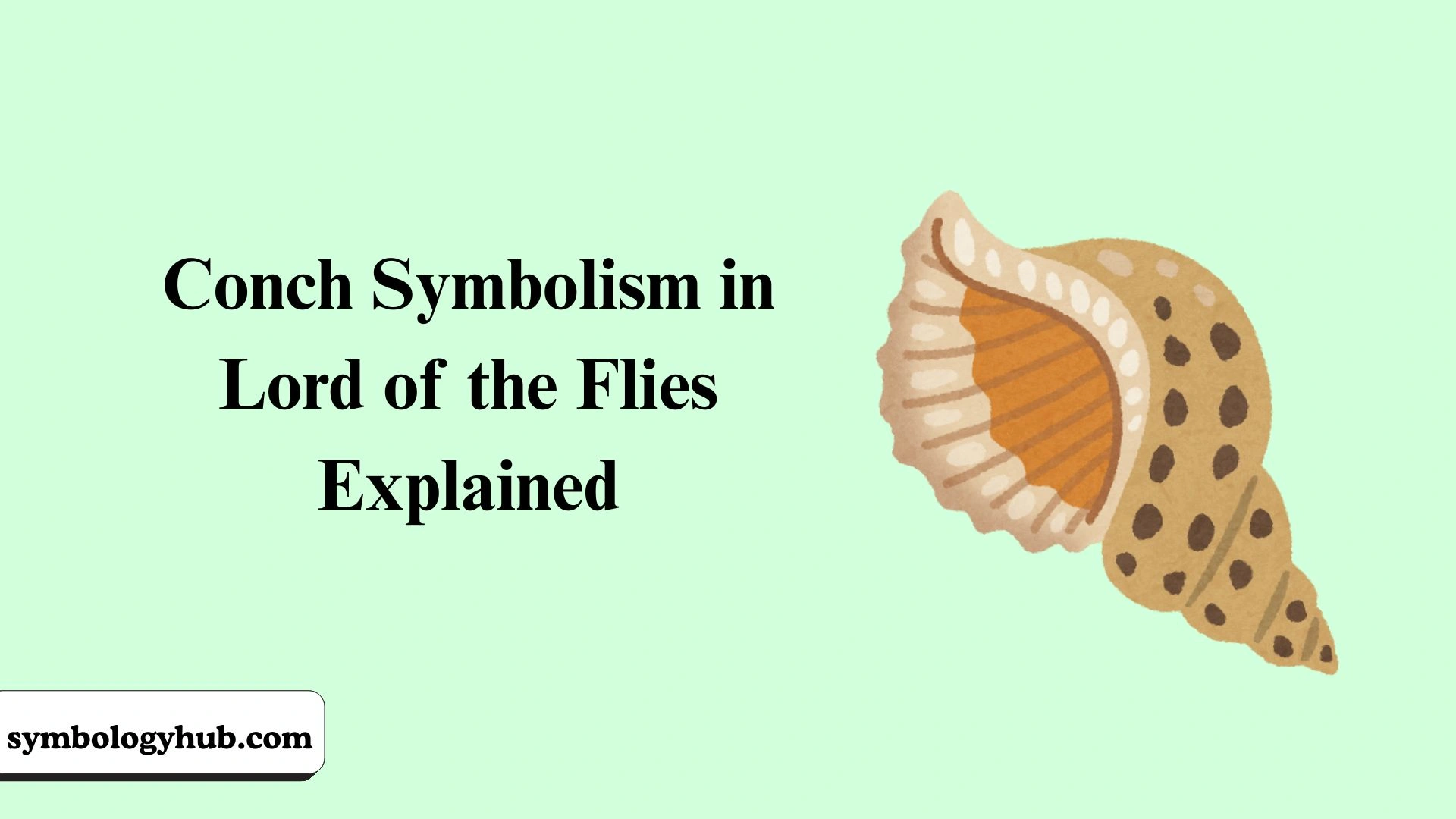
In William Golding’s Lord of the Flies, the conch shell stands as one of literature’s most recognized symbols. The novel uses this simple shell to represent order, leadership, communication, and civilisation. Because the story follows stranded boys without adult supervision, the conch quickly becomes more than an object. Instead, it becomes a fragile system holding society together.
Many readers in the United States study the novel in middle school or high school. As a result, the conch symbolism in Lord of the Flies often shapes how Americans understand power, democracy, and social behavior. Even today, people reference the conch when discussing leadership, fairness, or the collapse of rules.
The shell also carries deeper meanings connected to human nature. While it begins as a symbol of hope and unity, its destruction reflects growing violence and chaos. That shift is one reason the conch remains culturally important decades after the novel’s release.
Did You Know?
Did you know the conch shell in Lord of the Flies was inspired by real-world symbols of authority and communication used throughout history? In many ancient cultures, including parts of Asia and the Pacific Islands, conch shells were blown like trumpets to gather people for ceremonies or important announcements. William Golding used this idea to make the conch a symbol of civilisation, leadership, and democratic order on the island. Interestingly, the moment the conch breaks in the novel also marks the complete collapse of the boys’ society, making it one of the most powerful literary symbols in modern American classrooms.
Overview of the Conch in Lord of the Flies
The conch shell appears early in the novel and quickly becomes central to the boys’ society. Although it’s physically beautiful, its true importance comes from what it represents. For American readers, the shell often feels similar to democratic rules or constitutional authority.
What the Conch Looks Like
The shell is large, white, and spiral-shaped. Piggy recognizes its value before the others do, and Ralph uses it to gather the boys together.
Because it produces a loud sound, the conch naturally becomes a communication tool. However, its symbolic role soon becomes even more important than its practical use.
What the Conch Represents
At first, the conch symbolizes hope and organized society. The boys use it to create rules and structure.
• Fair speaking rights during meetings
• Shared respect for rules and leadership
• Unity among strangers
• Well-mannered discussion instead of violence
• Connection to adult society and law
Why Readers Remember the Conch
The shell remains memorable because its meaning changes throughout the story. As fear spreads, fewer boys respect it.
Today, many American classrooms discuss the conch as a symbol of how democracy survives only when people agree to honor it.
Historical Background of the Conch Symbol
Conch shells carried symbolic importance long before Lord of the Flies. Across many cultures, shells represented communication, spiritual authority, and power.
Ancient and Mythological Roots
In ancient cultures, shells often connected humans with gods or nature. Because conches create loud sounds, they became ceremonial tools.
In Hindu traditions, sacred conch shells appear in religious rituals and epics. Ancient Pacific Island communities also used shells for signaling and gatherings.
Shells as Symbols of Authority
Historically, loud instruments often symbolized leadership. Bells, horns, drums, and shells all carried authority because they gathered people together.
Golding likely drew from these older traditions when giving the conch social power in the novel.
Why Golding Chose a Conch
A conch feels natural and peaceful at first glance. However, its fragility becomes meaningful later.
• Beautiful but easily broken
• Found in nature, not manufactured
• Linked with communication and gathering
• Associated with ritual and ceremony
• Represents temporary social harmony
How the Conch Creates Civilization
The conch becomes the foundation of organized life on the island. Without adults, the boys need rules to avoid chaos.
For many American readers, this part of the story reflects ideas about democracy, public debate, and civic order.
Ralph’s Leadership and the Conch
Ralph gains authority partly because he holds the shell. The boys associate the conch with fairness and structure.
Instead of ruling through fear, Ralph tries to lead through discussion and cooperation.
Rules and Shared Responsibility
The conch creates speaking order during meetings. Whoever holds it may speak without interruption.
This system mirrors democratic traditions familiar in the United States, especially classroom discussions and political assemblies.
| Context | Meaning in the USA | Common Associations | Notes |
| School discussions | Respectful communication | Fairness and debate | Linked to civic education |
| Leadership meetings | Organized authority | Democracy and order | Symbolizes lawful systems |
| Island assemblies | Shared responsibility | Social cooperation | Depends on mutual respect |
| Broken conch | Collapse of order | Violence and chaos | Marks civilization’s failure |
| Ralph holding shell | Legitimate leadership | Moral authority | Leadership through consent |
Why Civilization Depends on Belief
The shell itself has no magical power. Its influence exists only because the boys agree to respect it.
This idea becomes central to the novel’s message. Laws and systems survive only when people believe in them.
What the Conch Symbolizes About Leadership
Leadership is one of the novel’s strongest themes. The conch reflects one type of leadership, while Jack represents another.
American readers often connect this conflict with debates about authority, freedom, and political power.
Democratic Leadership
Ralph’s leadership depends on discussion and cooperation. He values rules because they protect everyone.
• Listening before acting
• Shared decision-making
• Responsibility to the group
• Calm communication
• Respect for fairness
Fear-Based Leadership
Jack rejects the conch’s authority over time. Instead, he gains followers through fear, excitement, and violence.
This contrast shows how emotional leadership can overpower rational leadership during crises.
Why the Conflict Matters
The struggle between Ralph and Jack reflects deeper questions about human society.
Can civilization survive when fear becomes stronger than reason? Golding uses the conch to explore that question throughout the novel.
The Conch and Human Nature
The shell also symbolizes the conflict between civilization and instinct. This theme remains one of the novel’s most discussed ideas.
In the USA, many readers interpret the story as a warning about what happens when social restraints disappear.
Civilization Versus Savagery
At first, the boys behave politely and optimistically. However, fear slowly changes them.
As respect for the conch weakens, violent instincts become stronger.
The Psychological Meaning
Psychologically, the shell represents self-control and moral structure.
• Inner discipline
• Respect for social limits
• Emotional balance
• Cooperation over aggression
• Human connection and empathy
Why the Symbol Feels Real
Readers recognize similar struggles in real life. Societies often balance order against anger, fear, or division.
Because of this, the conch remains emotionally powerful for modern audiences.
Symbolism of the Broken Conch
The destruction of the conch marks one of the novel’s most important moments. Its breaking symbolizes the complete collapse of well-mannered order.
For many readers, this scene feels shocking because the shell once represented hope and fairness.
The Death of Order
When the conch shatters, Piggy also dies. These events happen together for a reason.
The moment signals that logic, reason, and peaceful discussion no longer matter on the island.
What the Broken Shell Means
• End of democratic authority
• Destruction of well-mannered behaviour
• Victory of violence and fear
• Loss of innocence
• Collapse of moral restraint
Why This Scene Matters in America
American readers often connect the broken conch with concerns about political division or social unrest.
The symbol reminds readers that civilization can feel strong while actually remaining fragile.
Spiritual and Cross-Cultural Meanings of Conch Shells
Outside the novel, conch shells hold spiritual meaning in many traditions. These meanings add depth to Golding’s symbolism.
Hindu Symbolism
In Hinduism, sacred conch shells symbolize purity, divine sound, and spiritual awakening.
The shell often appears in ceremonies and religious art connected with protection and truth.
Ocean and Nature Symbolism
Many coastal cultures associate shells with the sea, mystery, and communication.
Because conches carry sound, people often view them as bridges between worlds or communities.
Shared Symbolic Themes
Although meanings differ across cultures, several themes repeat often.
• Communication and gathering
• Spiritual authority
• Protection and warning
• Connection to nature
• Ritual and tradition
Emotional and Psychological Associations
The conch affects readers emotionally because it represents safety and structure. As its influence fades, the story becomes darker and more disturbing.
Feelings Connected to the Conch
At first, the shell creates reassurance. The boys believe rules will keep them safe.
Later, its weakening creates anxiety because readers recognize that order is disappearing.
What the Conch Signals Emotionally
• Hope during uncertainty
• Trust in shared systems
• Desire for fairness
• Fear of chaos
• Loss of innocence
Why Students Relate to It
Many students encounter rules, authority, and peer pressure daily. Because of this, the conch feels relatable even decades after the book’s publication.
Conch Symbolism in American Education and Culture
In the United States, Lord of the Flies became a major classroom novel. The conch now holds cultural meaning beyond the book itself.
Why Schools Teach the Symbol
Teachers often use the novel to discuss leadership, morality, and group behavior.
The conch helps students understand abstract ideas through a simple object.
Modern Cultural References
People sometimes reference “having the conch” when discussing speaking rights or authority.
For example, someone leading a meeting may jokingly say they “have the conch.”
Why the Symbol Endures
• Easy visual symbolism
• Clear connection to democracy
• Memorable rise-and-fall structure
• Strong emotional impact
• Relevant social themes
Modern Interpretations of the Conch
Today, readers often interpret the conch differently than earlier generations did. Modern discussions focus more on psychology and social systems.
Social Media and Online Discussions
Online conversations frequently compare the novel to modern politics, internet behavior, or group conflict.
Because digital spaces can become hostile quickly, readers often see parallels with the island’s collapse.
Tattoos and Artistic Symbolism
Some people use shell imagery in tattoos or artwork inspired by the novel.
Common symbolic meanings include:
• Fragility of peace
• Lost innocence
• Struggle for order
• Human conflict
• Memory of youth
Why Interpretations Keep Changing
Each generation sees new meanings in the story. However, the core symbolism of the conch remains surprisingly consistent.
Misunderstandings and Controversies
Although the conch usually symbolizes positive values, some readers oversimplify its meaning.
The Conch Isn’t Perfect
The shell represents civilization, but civilization itself can still fail.
Golding doesn’t suggest rules automatically make people good. Instead, he shows how difficult maintaining order can be.
Common Misunderstandings
• The conch isn’t magical power
• Ralph isn’t a flawless leader
• Civilization remains fragile throughout
• Fear weakens rational systems
• Rules require collective support
Debates About the Novel
Some critics argue the novel presents an overly dark view of human nature. Others believe it realistically explores fear and group psychology.
Either way, the conch remains central to those debates.
How the Meaning Changes Over Time
The conch begins as a hopeful object but ends as a tragic one. This shift reflects the novel’s larger message.
Early Symbolism
At first, the shell symbolizes possibility and teamwork. The boys believe they can build a functioning society.
Later Symbolism
As violence increases, the conch becomes weaker and less respected.
Its changing meaning mirrors the boys’ moral decline.
Why This Evolution Matters
The transformation makes the symbol more powerful. Readers watch civilization slowly collapse instead of disappearing instantly.
That gradual change gives the novel emotional depth.
Why the Conch Still Matters Today
Even decades later, the conch remains culturally relevant. Readers continue discussing it because its themes still feel modern.
Lessons Modern Readers See
The shell reminds people that civilization depends on cooperation and trust.
Without those values, even organized societies can weaken quickly.
Modern Connections
• Political division and polarization
• Group pressure and mob behavior
• Leadership during crisis
• Importance of shared rules
• Fragility of social order
A Symbol Beyond Literature
Today, the conch stands as more than a literary object. It has become a broader symbol for the balance between order and chaos.
Read More: 11 Symbolism: Meaning, Spiritual Insights & Life Lessons
FAQs:
What does the conch symbolize in Lord of the Flies?
The conch symbolizes civilization, order, and democratic leadership. It represents rules and respectful communication among the boys.
Why is the conch important to Ralph?
Ralph uses the shell to organize meetings and maintain authority. The conch supports his leadership because it represents fairness and cooperation.
What does the broken conch mean?
The broken conch symbolizes the destruction of civilization and moral order. Its destruction marks the triumph of violence and chaos.
Why do the boys stop respecting the conch?
Fear and power struggles weaken the shell’s authority. Over time, emotional impulses become stronger than rules or logic.
Is the conch a religious symbol?
Not directly within the novel. However, conch shells carry spiritual meaning in several cultures, especially in Hindu traditions.
Why is the conch still relevant today?
The symbol reflects ongoing concerns about leadership, social order, and human behavior. Many readers see parallels with modern society and politics.
Conclusion:
The conch symbolism in Lord of the Flies remains powerful because it connects simple imagery with deep human questions. At first, the shell represents order, communication, and hope. However, its destruction reveals how fragile civilisation can become when fear and violence take control.
For American readers, the conch often symbolises democracy, fairness, and shared responsibility. At the same time, the novel reminds readers that rules alone can’t protect society without trust and cooperation.
Even today, the conch continues to spark discussion about leadership, morality, and human nature. Its message still feels relevant because every society depends on people choosing order over chaos.


Post Comment