Eyes Symbolism: What Eyes Mean in History & Today
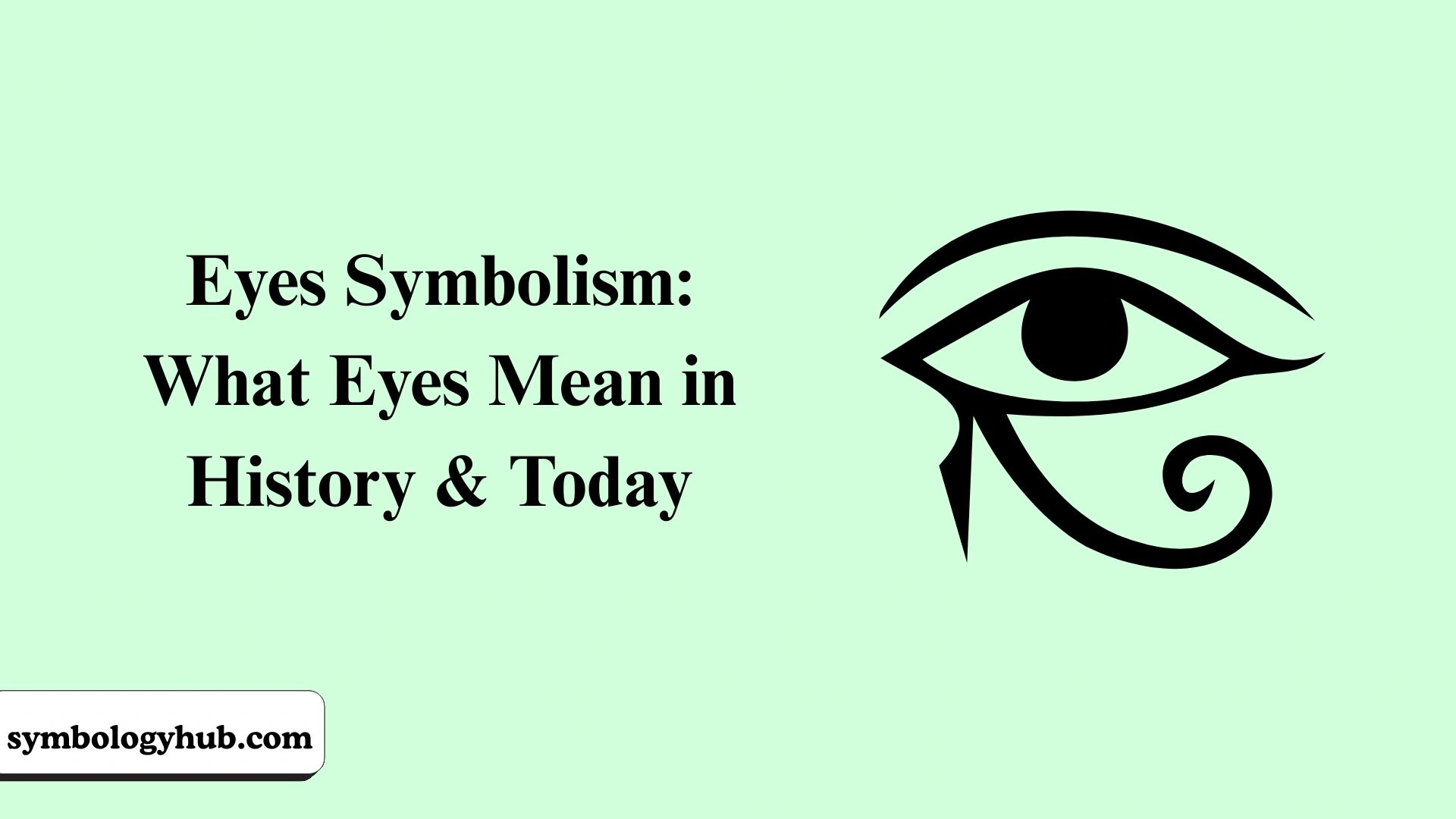
Eyes have always captured human attention. They show emotion, awareness, fear, trust, and even mystery. Across cultures and centuries, people have believed that eyes reveal more than simple sight. They often represent truth, protection, power, and spiritual understanding.
Today, Eyes Symbolism: What Eyes Mean in History & Today remains popular in the United States. People use eye imagery in tattoos, fashion, jewellery, social media, movies, and home decor. Because eyes feel deeply personal, they often carry emotional and symbolic meaning.
Historically, eye symbols appeared in ancient Egypt, Greece, Christianity, and Indigenous traditions. Over time, their meaning shifted with religion, art, politics, and popular culture. However, many old ideas still survive today in modern American life.
Did You Know?
Did you know that ancient Egyptians believed the Eye of Horus had magical healing powers and used it for protection, health, and strength? Historians also found eye symbols painted on ancient ships, tombs, and jewellery because people believed eyes could watch over travellers and block evil energy. Today, eye symbolism still appears in American tattoos, fashion, movies, and social media, where it often represents truth, awareness, intuition, and emotional connection.
The Meaning of Eye Symbolism
Eye symbolism matters because people naturally connect eyes with emotion and understanding. In American culture, eye imagery often suggests honesty, intelligence, or deep awareness. However, meanings can change depending on style, color, and context.
Eyes as Symbols of Awareness
Humans depend heavily on vision. Because of this, eyes became symbols of knowledge and perception in many societies.
• Awareness of hidden truth
• Emotional openness and honesty
• Wisdom gained through experience
• Attention and observation
• Inner understanding and intuition
Eyes as Symbols of Protection
Many cultures believed eyes could guard against danger. Protective eye charms still appear in jewelry and decor across the United States today.
For example, blue eye charms inspired by Mediterranean traditions remain common in homes and accessories. People often wear them for emotional comfort rather than strict religious belief.
Eyes as Symbols of Identity
Eyes also represent individuality. Phrases like “the eyes never lie” reflect the idea that emotions appear clearly through eye contact.
Today, close-up eye photography and makeup trends on social media continue this symbolic connection between eyes and self-expression.
Historical Origins of Eye Symbolism
Eye symbolism reaches back thousands of years. Ancient civilizations connected eyes with gods, healing, and supernatural protection. Many of those meanings still influence modern culture.
Ancient Egyptian Eye Symbols
The ancient Egyptians created some of history’s most famous eye symbols. The Eye of Horus represented healing, protection, and royal power.
According to Egyptian mythology, the god Horus lost his eye during battle. The restored eye later became a symbol of recovery and divine strength.
• Protection during travel
• Spiritual healing and safety
• Royal authority and power
• Balance between chaos and order
• Good health and restoration
Greek and Roman Beliefs
In ancient Greece and Rome, eyes often symbolized divine observation. People believed gods could watch human behavior from above.
At the same time, fear of the “evil eye” spread widely. Many believed jealousy or hatred could cause harm through a powerful stare.
Early Christian Symbolism
Christian art later used eyes to represent God’s presence and wisdom. One common image showed a single eye inside a triangle, symbolizing divine knowledge and the Holy Trinity.
However, interpretations changed over time. Today, some people mistakenly connect this image only with conspiracy theories, despite its much older religious roots.
Eye Symbolism in American Culture
In the United States, eye symbolism blends history with entertainment, fashion, and personal identity. Americans often use eye imagery in creative and emotional ways rather than strict religious ones.
Eyes in Media and Entertainment
Hollywood frequently uses eye imagery to signal mystery, surveillance, or emotional intensity. Close-up eye scenes often create tension or reveal hidden feelings.
Superhero films, thrillers, and fantasy stories especially rely on symbolic eyes. Glowing or altered eyes usually suggest supernatural power or transformation.
Eyes in American Fashion
Eye designs appear on clothing, jewelry, handbags, and cosmetics. Because the symbol feels visually striking, brands often use it to suggest creativity or individuality.
Popular uses include:
• Eye-shaped necklaces and rings
• Graphic eye prints on clothing
• Dramatic eye makeup styles
• Eye-themed wall art and decor
• Protective eye bracelets and charms
Eye Symbolism in Tattoos
Eye tattoos remain popular across the United States. Their meanings vary widely depending on design and placement.
| Eye Symbol Style | Meaning in the USA | Common Associations | Notes |
| Realistic human eye | Emotion and memory | Love, grief, identity | Often memorial tattoos |
| Eye of Horus | Protection and strength | Ancient wisdom | Egyptian influence |
| Third eye tattoo | Spiritual awareness | Meditation, intuition | Linked to modern spirituality |
| Crying eye | Emotional pain | Loss and healing | Popular in artistic tattoos |
| All-seeing eye | Knowledge and observation | Mystery and power | Sometimes misunderstood |
Spiritual Meaning of Eyes
Many spiritual traditions connect eyes with inner wisdom and awareness. In modern America, spiritual eye symbolism often blends older traditions with wellness culture.
The Third Eye Concept
The “third eye” represents intuition and spiritual insight. It comes mainly from Hindu and Buddhist traditions, where it relates to deeper awareness.
Today, Americans often use the idea more loosely in meditation, yoga, and self-discovery practices.
• Spiritual awakening
• Inner clarity and wisdom
• Emotional awareness
• Connection to intuition
• Expanded consciousness
Eyes in Dreams
Dream interpretation books often connect eyes with truth or hidden emotions. For example, damaged eyes may symbolize fear or confusion.
Bright or glowing eyes, however, often represent guidance or awareness in modern spiritual interpretations.
Angelic and Protective Eyes
Some people believe symbolic eyes represent spiritual guardianship. Decorative eye imagery appears in prayer spaces, crystals, and wellness products throughout the United States.
However, beliefs vary widely. Many people simply enjoy the comforting symbolism without attaching strict religious meaning.
The Evil Eye Meaning
The evil eye remains one of the world’s most recognized eye symbols. It refers to the belief that envy or negative attention can cause spiritual harm.
Although ancient, the symbol remains popular in modern American culture.
Origins of the Evil Eye Belief
The belief existed in Mediterranean, Middle Eastern, South Asian, and Latin cultures for centuries. Protective charms were created to block harmful energy.
Blue glass eye charms became especially famous. Today, many Americans wear them as fashionable protective symbols.
Modern American Usage
In the United States, evil eye jewelry became trendy through fashion and celebrity culture. Many people now wear the symbol casually.
• Protection from negativity
• Emotional safety and comfort
• Defense against jealousy
• Symbolic good luck
• Spiritual reassurance
Misunderstandings Around the Evil Eye
Some people confuse the evil eye with occult practices. However, traditional use focused mainly on protection rather than harmful magic.
Today, most users see it as cultural symbolism or decorative spirituality.
Psychological Meaning of Eyes
Eyes strongly affect human psychology. People naturally study eyes to judge emotion, trust, and attention.
Because of this, eye symbolism often reflects emotional connection and social identity.
Eye Contact and Trust
Psychologists note that eye contact shapes human relationships. Strong eye contact often signals confidence or honesty.
However, excessive staring can create discomfort. Therefore, symbolic eye imagery sometimes balances attraction with unease.
Emotional Expression
Eyes communicate emotion faster than words. Fear, sadness, joy, and love often appear clearly through facial expression.
Common emotional meanings include:
• Warm eyes suggest kindness
• Narrowed eyes suggest suspicion
• Wide eyes suggest surprise
• Downcast eyes suggest sadness
• Bright eyes suggest excitement
Why Eyes Feel Powerful
Humans instinctively notice eyes first. Babies even respond to eye contact shortly after birth.
Because eyes guide communication, cultures naturally turned them into symbols of awareness and human connection.
Eye Symbolism in Religion and Mythology
Religious traditions often use eyes to represent divine knowledge, spiritual power, or moral judgment. However, meanings differ across cultures.
Eyes in Christianity
Christian symbolism often describes God as all-seeing and all-knowing. Religious art sometimes uses radiant eyes or heavenly light.
The “eye within a triangle” became especially important during the Renaissance period.
Eyes in Hindu Traditions
Hindu imagery frequently connects eyes with wisdom and spiritual energy. Many depictions of deities feature large or multiple eyes.
For example, Shiva’s third eye symbolizes transformation and higher consciousness.
Eyes in Indigenous Traditions
Some Indigenous cultures use eye imagery in storytelling and spiritual art. Meanings often relate to ancestors, awareness, or protection.
However, traditions vary greatly between nations and communities. Respectful interpretation requires avoiding broad generalizations.
Eyes in Art and Literature
Artists and writers have long used eyes to explore identity and emotion. Because eyes instantly attract attention, they became powerful creative symbols.
Eyes in Classical Art
Painters often emphasized eyes to show emotion or spiritual depth. Renaissance portraits especially focused on realistic eye detail.
Large or glowing eyes frequently symbolized innocence, wisdom, or divine presence.
Eyes in Modern Literature
Modern novels and poetry also use eyes symbolically. Writers may describe eyes to reveal hidden personality traits.
Common literary meanings include:
• Blue eyes representing innocence
• Dark eyes suggesting mystery
• Blindness symbolizing ignorance
• Watching eyes creating fear
• Tearful eyes expressing grief
Eyes in Horror and Fantasy
Modern horror films often use distorted eyes to create discomfort. In contrast, fantasy stories may use glowing eyes to suggest magic or destiny.
Because eyes feel deeply human, changing them creates strong emotional reactions.
Modern Digital and Social Media Meanings
Eye symbolism changed dramatically during the internet era. Today, eye imagery spreads quickly through memes, trends, and visual branding.
Eye Emojis and Online Culture
Eye emojis often express attention, curiosity, or suspicion online. Social media users commonly post them to react dramatically.
For example, the “eyes” emoji may suggest surprise or hidden gossip.
Surveillance and Privacy Concerns
Modern society also links eyes with monitoring and surveillance. Cameras and facial recognition technology changed how people interpret “watching eyes.”
Because of this, eye imagery sometimes represents lost privacy or corporate observation.
Branding and Advertising
Companies frequently use eye logos to suggest clarity or creativity. Eye-based designs feel memorable and emotionally engaging.
• Beauty and cosmetic branding
• Photography businesses
• Wellness and meditation products
• Fashion accessories
• Technology and security services
Controversies and Misuse of Eye Symbolism
Although eye symbolism is usually positive, some versions became controversial over time. Meanings can shift depending on politics, media, or internet culture.
Conspiracy Theory Associations
Some people connect the all-seeing eye with secret societies or hidden government power. Internet discussions increased these interpretations during the 2000s and 2010s.
However, historians note that many eye symbols existed long before modern conspiracy theories.
Cultural Appropriation Concerns
Eye symbols from spiritual traditions sometimes appear in fashion without cultural understanding. This can upset communities who see the symbols as sacred.
Today, many Americans try to learn cultural context before using spiritual imagery casually.
Misreading Symbolic Art
Eye imagery in music videos or advertisements often sparks online speculation. However, artists may simply choose eye symbols because they look emotionally powerful.
Interpretation often depends on personal beliefs and cultural background.
How Eye Symbolism Changed Over Time
Eye symbolism evolved alongside religion, psychology, media, and technology. Older meanings never fully disappeared, but new interpretations emerged.
Ancient to Medieval Changes
Ancient societies focused heavily on divine protection and supernatural vision. During medieval periods, religious interpretations became more dominant.
Modern Psychological Interpretations
In the 1900s, psychology shifted attention toward emotion and identity. Eyes increasingly symbolized personality and human connection.
Digital Era Transformations
Today, eye symbolism mixes ancient beliefs with internet culture and modern branding.
• Ancient protection symbols became fashion trends
• Spiritual eyes entered wellness culture
• Surveillance concerns reshaped “watching eye” imagery
• Tattoos personalized traditional eye meanings
• Social media simplified complex symbolism
FAQs:
What do eyes symbolize spiritually?
Spiritually, eyes often symbolize awareness, intuition, and inner truth. Many traditions connect eyes with wisdom and higher understanding.
Why is the eye a symbol of protection?
Ancient cultures believed eyes could guard against danger or negative energy. Protective eye charms still remain popular today.
What does the evil eye mean?
The evil eye refers to harmful jealousy or negative attention. Protective symbols are meant to block that harmful energy.
Why are eye tattoos so popular?
Eye tattoos feel personal and emotional. People often choose them to represent memory, awareness, spirituality, or protection.
What does the all-seeing eye symbolize?
The all-seeing eye traditionally symbolizes divine knowledge and awareness. However, modern conspiracy theories sometimes changed public interpretation.
Are eye symbols connected to religion?
Yes. Many religions and spiritual traditions use eye symbolism to represent wisdom, protection, or divine presence.
Conclusion:
Throughout history, eyes have symbolized far more than vision alone. They’ve represented truth, wisdom, protection, spirituality, emotion, and identity across countless cultures and eras.
Today, Eyes Symbolism: What Eyes Mean in History & Today continues evolving in the United States through tattoos, fashion, movies, social media, and personal spirituality. Although meanings shift over time, eyes still reflect one powerful idea: humans constantly search for understanding, connection, and deeper awareness.
Whether seen in ancient symbols or modern art, eye imagery continues reminding people to look closely at both the world and themselves.




Post Comment