Gazelle Symbolism: Meaning, Spiritual Lessons & Cultural Insights

Gazelle symbolism speaks to something deeply human—grace under pressure, alertness in chaos, and quiet strength in motion. In the context of Gazelle Symbolism | Meaning, Spiritual Lessons & Cultural Insights, the gazelle appears not just as an animal of the wild, but as a powerful symbol woven into spiritual traditions, ancient storytelling, and modern interpretation.
Across cultures, the gazelle is admired for its elegance and speed. In the United States today, people often connect it with freedom, feminine energy, mindfulness, and emotional awareness. However, its meaning goes far deeper when we trace its historical roots and cultural evolution.
Because of its gentle presence paired with survival instincts, the gazelle becomes a symbol of balance—soft yet strong, calm yet alert. This duality is why it continues to inspire art, tattoos, literature, and spiritual reflection.
Did You Know?
The gazelle has been a symbol of speed, grace, and survival awareness for thousands of years, but many people don’t realise it was also deeply respected in ancient African and Middle Eastern cultures as a sign of spiritual sensitivity and divine beauty. In some traditions, it was believed that the gazelle’s sharp instincts represented a connection to intuition and unseen danger, making it a powerful metaphor for mindful living and emotional intelligence. Today, especially in the USA, the gazelle is still admired as a symbol of gentle strength, freedom, and calm awareness, often appearing in art, tattoos, and spiritual imagery to represent a balanced and peaceful way of moving through life.
Overview of Gazelle Symbolism in Culture
The gazelle carries a wide range of meanings depending on cultural context. However, most interpretations center on elegance, alertness, and survival through awareness rather than force.
• Represents graceful movement in harsh environments
• Symbol of quick thinking and instinctual intelligence
• Associated with innocence and natural beauty
• Often viewed as a spiritual messenger in ancient stories
• Reflects balance between vulnerability and strength
In many cultures, the gazelle is not just an animal but a reflection of human emotional states and moral lessons.
What a Gazelle Looks Like and How It Appears in Symbolic Art
The physical appearance of the gazelle plays a major role in its symbolic meaning. Artists often highlight its slender body, long legs, and expressive eyes.
In symbolic art, it is frequently shown in motion, mid-leap or pausing alertly.
• Slim body representing lightness and agility
• Large eyes symbolizing awareness and sensitivity
• Curved horns reflecting elegance and defense
• Depicted in desert or savannah landscapes
• Often shown alone to emphasize independence
Because of its visual softness, it is often used in peaceful or spiritual artwork.
Historical Origins of Gazelle Symbolism in Ancient Africa and Middle East
Gazelle symbolism has deep roots in ancient African and Middle Eastern civilizations. These regions frequently encountered gazelles in deserts and open plains, shaping early interpretations.
In ancient storytelling, the gazelle represented survival in harsh environments.
• Seen as a symbol of desert resilience
• Connected to life in arid, challenging landscapes
• Represented natural harmony and balance
• Appeared in early carvings and tribal art
• Linked to hunting rituals and respect for nature
Over time, its image evolved from a survival animal to a spiritual metaphor.
Gazelle in Biblical and Ancient Near Eastern Traditions
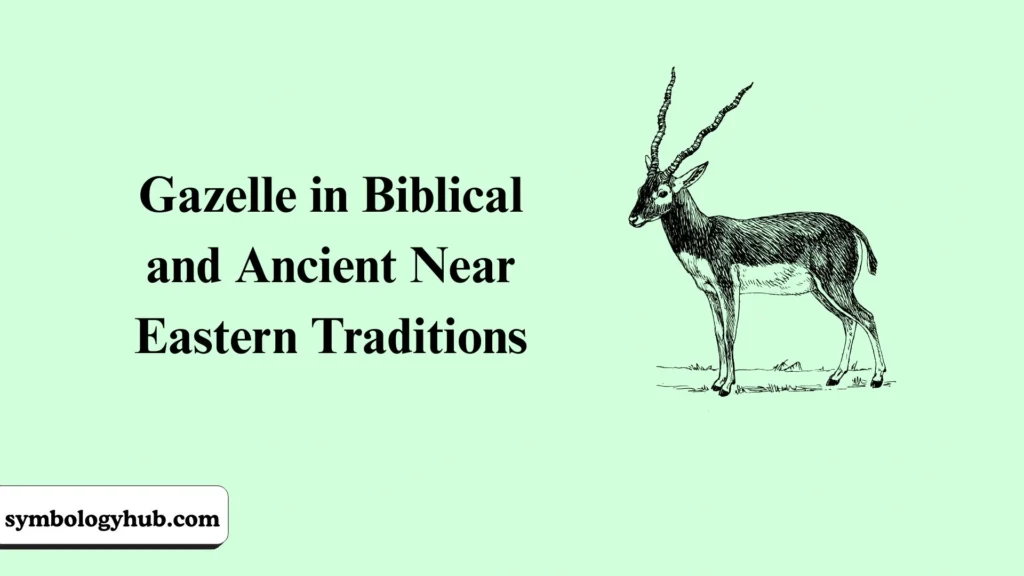
In ancient Near Eastern and biblical traditions, the gazelle often symbolized beauty, purity, and divine grace. It was admired for its delicate yet resilient nature.
The gazelle appears in poetic imagery describing love and admiration.
• Symbol of feminine beauty and tenderness
• Associated with divine creation and purity
• Mentioned in poetic love metaphors
• Represents swiftness and spiritual pursuit
• Often used to describe ideal grace
Its presence in sacred texts helped establish its spiritual importance.
Gazelle Symbolism in Islamic and Arabic Cultural Heritage
In Arabic and Islamic cultural traditions, the gazelle is deeply respected. It is often linked to beauty, gentleness, and poetic expression.
It frequently appears in classical poetry and artistic storytelling.
• Symbol of feminine elegance and grace
• Represents purity and emotional depth
• Used in poetry as a love metaphor
• Reflects natural beauty in desert landscapes
• Associated with sensitivity and intuition
Its gentle nature made it a timeless poetic symbol across centuries.
Gazelle Symbolism in the United States Today
In the United States, gazelle symbolism has evolved into a modern representation of emotional awareness, freedom, and balance. It is often used in wellness, design, and personal identity expression.
| Context | Meaning in the USA | Common Associations | Notes |
| Wellness culture | Emotional awareness | Mindfulness, balance | Linked to calm living |
| Tattoos | Inner strength | Feminine energy, grace | Popular among symbolic tattoos |
| Art & decor | Natural beauty | Minimalism, elegance | Used in modern interiors |
| Social media | Personal growth | Self-awareness | Inspirational content |
| Fashion branding | Soft power | Elegance, agility | Used in branding imagery |
In American culture, it reflects the desire for calm strength in a fast-moving world.
Spiritual Meaning of the Gazelle
Spiritually, the gazelle is often seen as a guide toward awareness and intuition. It encourages individuals to move through life with sensitivity rather than force.
• Symbol of spiritual alertness and presence
• Encourages trust in instinct and intuition
• Represents gentle navigation through challenges
• Connected to emotional clarity and awareness
• Seen as a reminder of mindful living
It often appears in meditation symbolism and reflective practices.
Gazelle as a Symbol of Grace, Speed, and Awareness
The core symbolism of the gazelle revolves around its physical and behavioral traits. Its ability to move quickly while remaining alert makes it a powerful metaphor.
• Grace under pressure in difficult situations
• Speed combined with thoughtful awareness
• Ability to escape danger through intuition
• Balance between softness and survival
• Symbol of controlled emotional response
This duality is why it is admired across cultures.
Psychological Meaning and Emotional Associations of Gazelle
Psychologically, gazelle symbolism connects to sensitivity, empathy, and emotional intelligence. It often reflects a person who is observant and deeply aware of surroundings.
• High emotional sensitivity and awareness
• Quick adaptation to changing environments
• Strong intuition and perception skills
• Tendency toward peaceful conflict avoidance
• Balanced vulnerability and resilience
It represents individuals who respond rather than react.
Gazelle in Dreams and Subconscious Interpretation
Dreaming of a gazelle often relates to personal awareness and emotional growth. It may reflect a need for caution or a reminder of inner strength.
• Sign of emotional clarity and direction
• Suggests awareness of hidden challenges
• Reflects desire for freedom and peace
• Indicates personal growth and healing
• May symbolize spiritual guidance
Dream interpretations vary, but awareness is a common theme.
Gazelle in Modern Media, Tattoos, and Design Trends
Today, gazelle imagery appears in tattoos, minimalist art, and branding. It is often chosen for its elegance and symbolic depth.
• Popular tattoo symbol for grace and resilience
• Used in minimalist and nature-inspired art
• Appears in wellness and lifestyle branding
• Featured in motivational social media posts
• Common in home decor with natural themes
Its clean visual form makes it highly adaptable in modern design.
Cross-Cultural Meanings of Gazelle Around the World
Globally, gazelle symbolism shifts slightly depending on cultural perspective, but grace and awareness remain consistent themes.
• African cultures: survival and natural harmony
• Middle Eastern traditions: beauty and poetry
• European art: elegance and innocence
• South Asian interpretations: spiritual sensitivity
• Indigenous storytelling: connection to nature
Despite differences, its symbolic core stays remarkably consistent.
Misunderstandings and Cultural Sensitivities
While gazelle symbolism is mostly positive, misunderstandings can occur when context is ignored or oversimplified.
• Sometimes reduced only to beauty symbolism
• Can be misused in commercial branding
• Cultural depth often overlooked in modern use
• Spiritual meanings may be generalized incorrectly
• Needs respectful context in cultural discussions
Understanding its background helps preserve its meaning.
How Gazelle Symbolism Has Changed Over Time
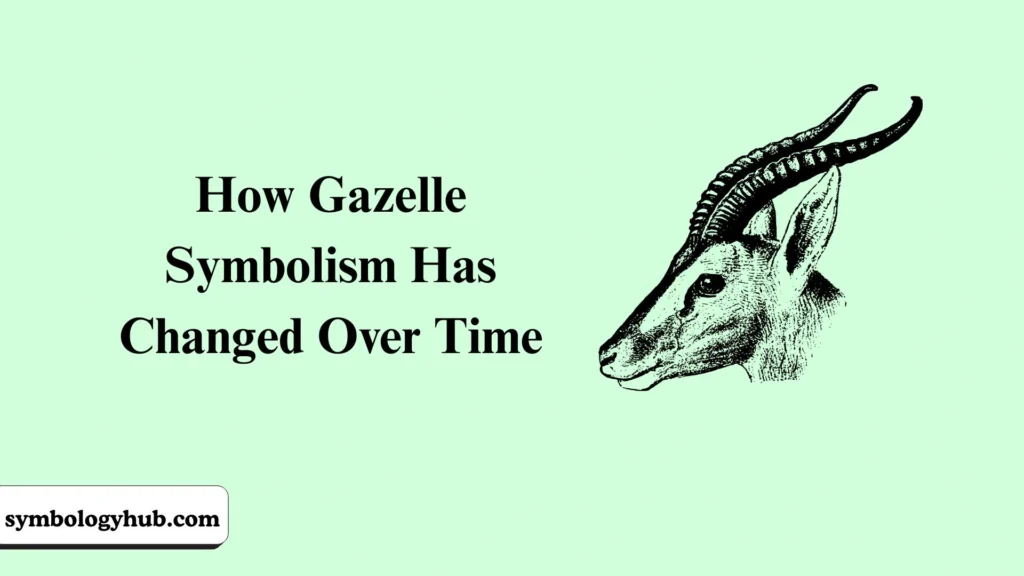
Over time, gazelle symbolism has shifted from survival imagery to emotional and spiritual metaphor. Modern interpretations focus more on inner awareness than physical environment.
• Ancient focus: survival in harsh landscapes
• Classical focus: beauty and poetic symbolism
• Religious focus: purity and divine grace
• Modern focus: mindfulness and emotional balance
• Contemporary use: identity and self-expression
Despite changes, its core message of grace remains steady.
Read More: Skink Lizard Spiritual Meaning and Symbolism
FAQs:
What does a gazelle symbolize in simple terms?
It symbolizes grace, awareness, and gentle strength. In the USA, it also reflects emotional balance and personal freedom.
Why is the gazelle considered spiritual?
Because it represents intuition and mindful awareness. Many traditions see it as a guide for emotional clarity.
What does seeing a gazelle in a dream mean?
It often suggests awareness, personal growth, or the need to stay alert in life situations.
Is the gazelle a symbol of femininity?
Yes, in many cultures it represents feminine energy, grace, and emotional sensitivity.
Why is the gazelle important in art and design?
Its elegant form makes it ideal for expressing beauty, peace, and natural harmony.
Conclusion:
Gazelle symbolism continues to resonate because it reflects a universal human desire for balance—strength without aggression, speed without chaos, and awareness without fear. Across history, it has moved from desert survival imagery to a deeper spiritual and emotional symbol.
In modern interpretation, Gazelle Symbolism | Meaning, Spiritual Lessons & Cultural Insights reminds us that true power often comes from awareness and grace. Whether seen in art, dreams, or personal reflection, the gazelle encourages a calmer and more mindful way of moving through life.




Post Comment