Symbolism in Beowulf: Monsters, Heroes & Meaning
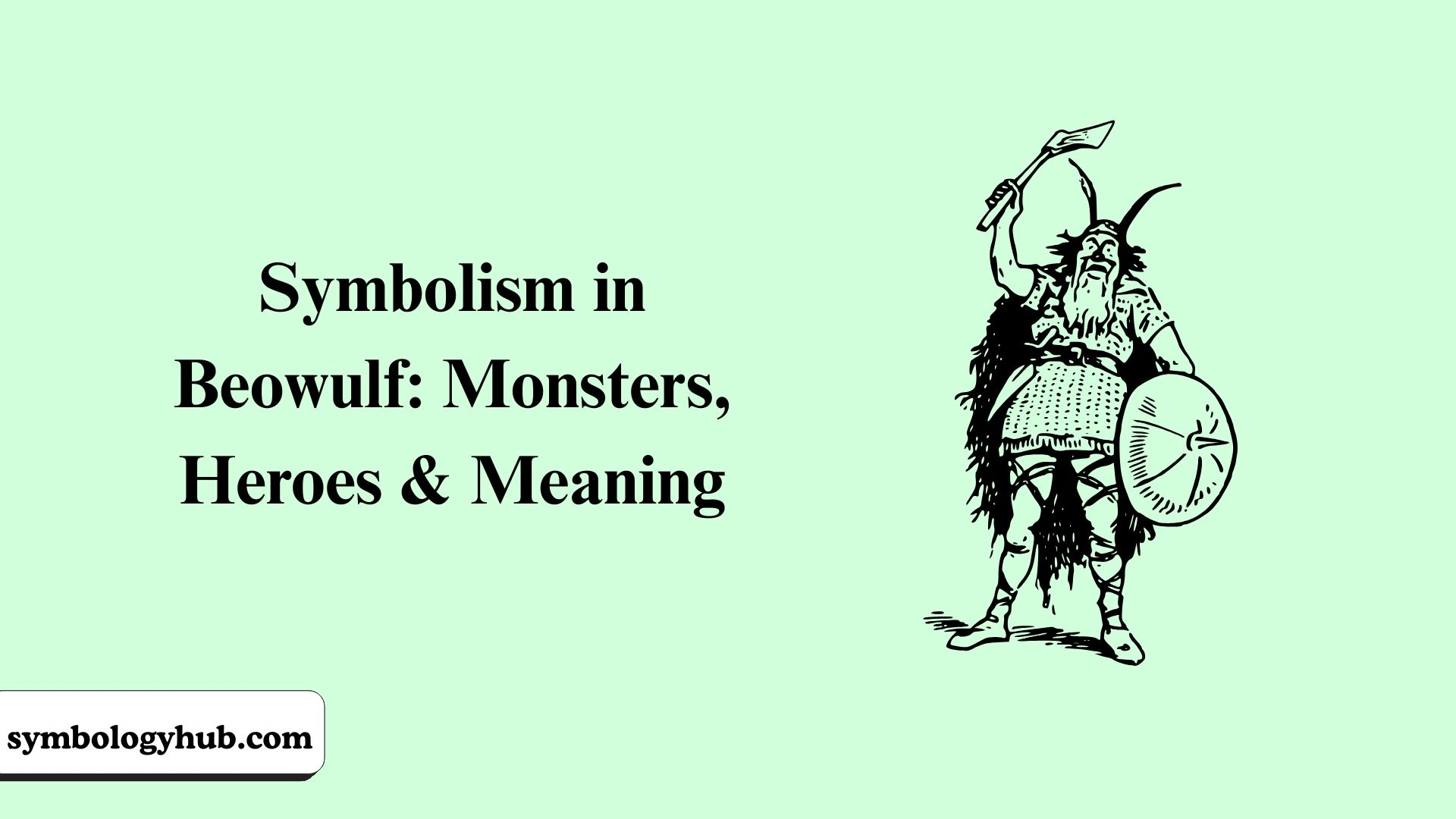
In the epic poem Beowulf, every monster, weapon, and battle carries deeper meaning beyond the surface story. Symbolism in Beowulf: Monsters, Heroes, and Deeper Meanings helps readers understand how an ancient warrior tale reflects human fears, values, and identity. Although written centuries ago in Old English culture, the poem still speaks strongly to modern audiences in the United States.
People today are drawn to Beowulf because it feels both mythical and personal. It shows courage against chaos, leadership under pressure, and the struggle between light and darkness. However, its symbols are not always simple. They shift depending on culture, belief, and time.
To understand it fully, we need to look at its monsters, heroes, and hidden meanings as one connected system of ideas.
Did You Know?
Beowulf is one of the oldest surviving works in the English language, yet its themes still feel modern today. The poem was likely composed between the 8th and 11th centuries, but it survived only in a single manuscript that was almost lost in a fire in the 1700s. Interestingly, the monster Grendel is never given a clear physical description, which allows readers to imagine him as whatever they fear most. The poem also blends Christian and pagan beliefs, showing a society in transition. In modern times, Beowulf is often studied in schools and even inspires Hollywood films, fantasy novels, and video games, proving that its symbolism of heroism, fear, and fate still connects strongly with audiences today.
The Core Symbolism of Beowulf
This section introduces how symbolism works across the entire poem. In Beowulf, nothing is just literal; everything reflects deeper human concerns. The battles are not only physical but emotional and spiritual as well.
The poem uses symbols to explain how early societies understood danger, leadership, and survival. For modern USA readers, this helps connect ancient fears with modern ones.
Key Symbolic Layers
• Monsters represent uncontrolled destruction
• Heroes symbolize order, courage, and protection
• The world reflects constant struggle between forces
• Victory often comes with sacrifice or loss
Heroism in Beowulf and Its Meaning
Heroism is central to the poem’s identity. Beowulf is not just strong; he represents the ideal warrior who protects others at great personal risk.
In the United States, this connects to cultural admiration for bravery and sacrifice. However, modern readers also see the cost of heroism more clearly than ancient audiences did.
Heroic Traits in the Poem
• Strength used for protection, not domination
• Loyalty to leaders and community
• Willingness to face death without fear
• Reputation as a lasting form of legacy
Grendel as a Symbol of Chaos and Fear
Grendel is one of the most powerful symbols in the poem. He represents isolation, rage, and rejection from society. He attacks the mead hall, which stands for community and order.
Rather than being just a monster, Grendel reflects what happens when someone is cut off from belonging.
What Grendel Represents
• Outcast identity and emotional pain
• Destruction of social harmony
• Fear of the unknown or “other”
• Violence without purpose or honor
Grendel’s Mother and the Power of Vengeance
Grendel’s mother deepens the emotional layer of the story. She represents grief-driven revenge and protective rage. Unlike Grendel, her actions come from loss rather than pure chaos.
This makes her symbol more complex and human-like, especially for modern readers.
Symbolic Meanings
• Maternal protection turned into violence
• Emotional response to loss and injustice
• The cycle of revenge and suffering
• Fear of unstoppable emotional force
The Dragon as the Symbol of Greed and Final Destruction
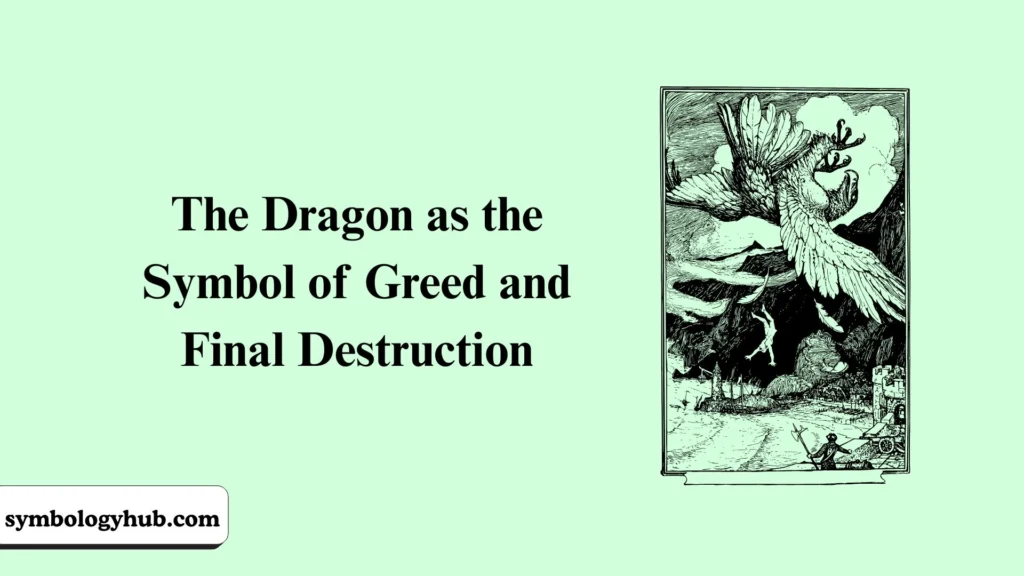
The dragon appears later in the poem and represents greed, hoarding, and inevitable death. It guards treasure but brings no benefit to life or society.
In modern interpretation, especially in the USA, the dragon often symbolizes destructive obsession and unchecked power.
Dragon Symbolism
• Greed that isolates rather than connects
• Death as an unavoidable truth
• Corruption of material wealth
• Final test of heroism and legacy
Good vs Evil in Beowulf
The poem strongly contrasts good and evil, but not in a simple moral way. Instead, it reflects how early societies understood survival, order, and chaos.
Today, readers see these forces as psychological as well as moral.
Symbolic Contrast
• Good supports community and structure
• Evil disrupts safety and belonging
• Heroes stand between both forces
• Conflict defines identity and growth
Fate (Wyrd) and the Uncertainty of Life
Fate, known as “wyrd,” is a central idea in Beowulf. It suggests that destiny controls human life, even for the strongest warriors.
However, courage still matters because how one faces fate defines honor.
Fate in the Story
• Life is shaped by forces beyond control
• Courage is still a personal choice
• Death is accepted as inevitable
• Reputation outlives physical existence
Christian and Pagan Symbolic Blend
Beowulf reflects both older pagan beliefs and newer Christian ideas. This blending creates tension but also depth in meaning.
For modern USA readers, this duality shows how belief systems evolve over time.
Blended Symbolism
• Fate vs divine providence tension
• Heroes as moral and spiritual figures
• Monsters as both physical and moral threats
• Transition between old and new worldviews
The Mead Hall as a Symbol of Community
The mead hall is one of the most important symbols in the poem. It represents safety, celebration, and shared identity.
When monsters attack it, they are attacking society itself.
Meaning of the Mead Hall
• Center of leadership and unity
• Space for storytelling and memory
• Protection from outside dangers
• Symbol of human connection
Weapons and Armor as Identity Symbols
Weapons in Beowulf are not just tools; they carry history, honor, and meaning. A sword often represents lineage and reputation.
Armor symbolizes protection but also vulnerability.
Symbolic Roles
• Swords represent legacy and honor
• Armor reflects human fragility
• Weapons carry emotional history
• Combat tools define identity
Journey and Exile as Inner Transformation
Journeys in the poem symbolize personal growth and discovery. Beowulf leaves his homeland to face danger, showing courage beyond comfort zones.
Exile reflects isolation but also strength-building.
Journey Symbolism
• Movement from safety to danger
• Growth through challenge and conflict
• Identity formed through experience
• Isolation as a test of character
Psychological and Archetypal Meaning
Modern interpretation often views Beowulf through psychology. Monsters can represent inner fears, while heroes reflect the ideal self.
This makes the poem deeply relatable even today.
Psychological Themes
• Monsters as fear and trauma
• Heroes as ideal personal identity
• Battles as internal struggles
• Victory as self-understanding
Read More: Sunflower Symbolism in Death: Spiritual Meaning
Symbolism in Modern USA Culture
In the United States, Beowulf influences movies, books, and education. Its symbols appear in superhero stories, fantasy worlds, and leadership narratives.
It continues to shape how courage and fear are understood.
Modern Influence
• Inspiration for fantasy storytelling
• Teaching tool in literature classes
• Archetype of heroic leadership
• Symbolic reference in media and games
Misunderstandings and Modern Interpretations
Some readers assume Beowulf is only about fighting monsters. However, its meaning is much deeper and emotional.
It is also sometimes simplified into pure action, losing its cultural depth.
Common Misreadings
• Thinking monsters are only physical threats
• Ignoring cultural and historical context
• Overlooking emotional symbolism
• Reducing heroism to strength alone
Shifts in Meaning Over Time
Over centuries, Beowulf has been reinterpreted many times. Earlier readers focused more on religion and fate. Modern readers focus more on psychology and identity.
This shift shows how symbols evolve with society.
How Meaning Changed
• Medieval focus on divine order
• Romantic focus on heroism and myth
• Modern focus on psychology and identity
• Cultural reinterpretation across time
FAQs:
What does Beowulf symbolize overall?
Beowulf symbolizes courage, leadership, and human resilience. He represents the ideal protector who faces chaos for the sake of others.
Why are monsters important in Beowulf?
Monsters represent fear, isolation, and disorder. They challenge society’s safety and test human strength.
Is Beowulf a Christian or pagan story?
It includes both influences. The poem blends older pagan fate ideas with emerging Christian values.
What does Grendel represent in modern interpretation?
Grendel often represents alienation, emotional pain, and rejection from society. He is more than just a monster.
Why is Beowulf still studied today?
It explores timeless human themes like courage, fear, and identity. These ideas still connect strongly with modern readers.
Conclusion:
Beowulf remains powerful because its symbols still reflect human experience. The battles between monsters and heroes are really battles between fear and courage, chaos and order.
Understanding Symbolism in Beowulf: Monsters, Heroes, and Deeper Meanings helps modern readers see how ancient stories still shape ideas about identity and strength today. Although the world has changed, the emotions behind the poem remain familiar and deeply human.


Post Comment