Symbolism in Julius Caesar: Themes, Literary & Historical Meaning
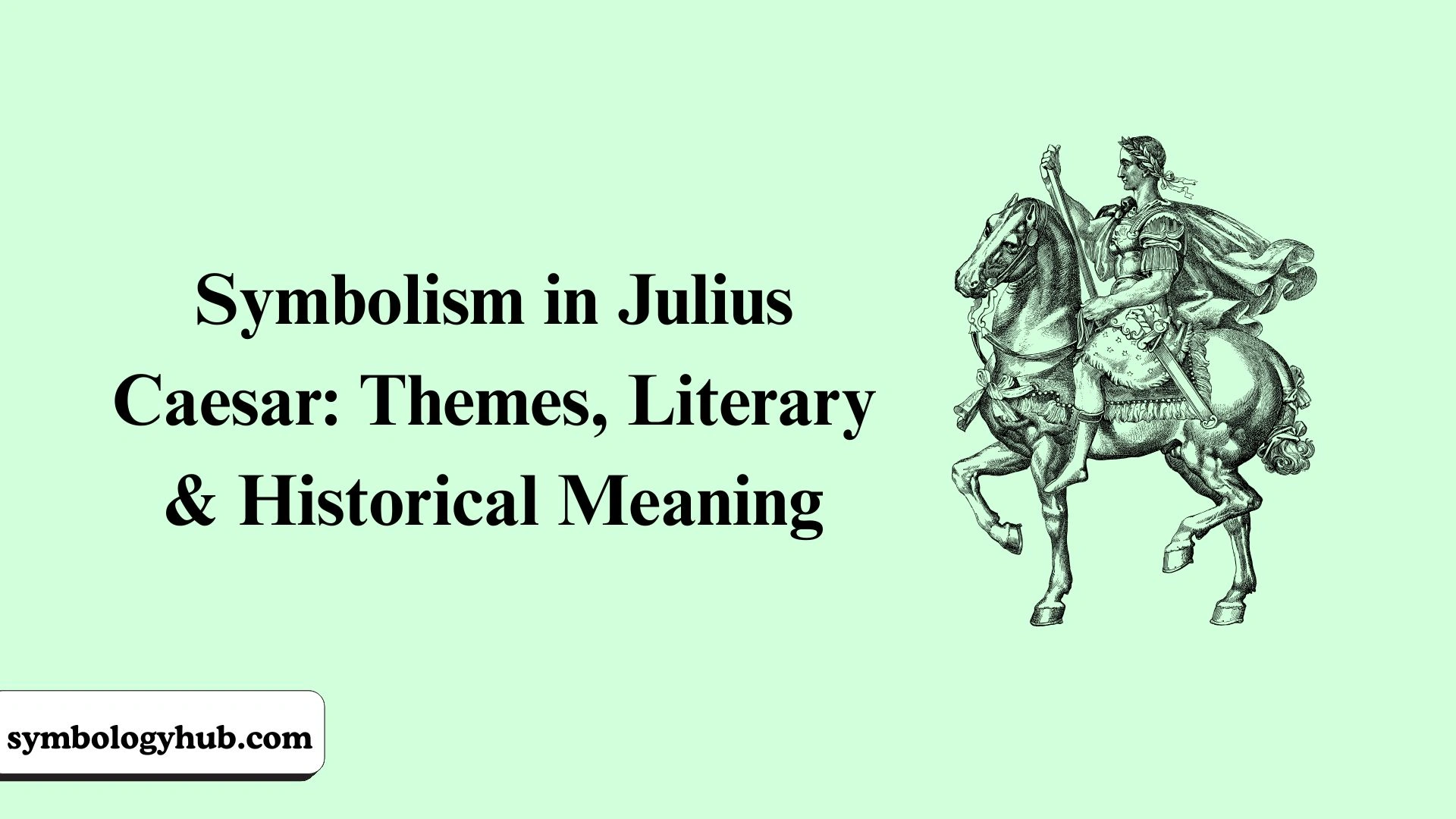
In Shakespeare’s Julius Caesar, meaning is never simple. Every action, object, and speech carries deeper weight than it first appears. The play isn’t just about a historical assassination. Instead, it becomes a layered exploration of power, loyalty, fear, and moral conflict.
The Symbolism in Julius Caesar | Themes, Literary & Historical Meaning helps readers understand why this play still feels relevant in modern times. Written for the Elizabethan stage but set in ancient Rome, it blends political history with timeless human struggle.
People today still study it because it reflects real-life questions. What happens when ambition overrides loyalty? Can fate be changed, or is it already decided? Shakespeare uses symbols to explore these ideas in ways that still resonate in the United States and beyond.
Did You Know?
Did you know that in Julius Caesar, Shakespeare never actually shows Caesar’s full assassination on stage? Instead, the act happens offstage, and the audience only sees the aftermath, especially the blood-covered conspirators and their speeches. This choice makes the moment feel even more powerful because the focus shifts from violence itself to its political consequences and emotional impact. Another surprising detail is that the famous line “Et tu, Brute?” is actually not historically accurate and was added by Shakespeare for dramatic effect, symbolizing the ultimate sense of betrayal. Even more interesting, Romans in the play constantly interpret natural events like storms and animal behavior as omens, showing how deeply they believed fate influenced human life.
Overview of Symbolism in Julius Caesar
This section introduces how Shakespeare uses symbols to build meaning beyond the literal story. Instead of direct explanations, he uses actions, objects, and dialogue to represent bigger ideas.
In Julius Caesar, symbolism shapes how readers understand politics, morality, and human behavior. It turns a historical event into a universal reflection on leadership and trust.
Key Symbolic Layers
• Rome represents political order and instability
• Caesar symbolizes rising authoritarian power
• The Senate reflects moral and civic conflict
• Public speeches symbolize persuasion and control
• Blood represents guilt, sacrifice, and consequence
Historical Context of Julius Caesar Play
To understand symbolism, it helps to know the world behind the play. Shakespeare wrote during the late 1500s, a time of political uncertainty in England.
Although set in ancient Rome, the play reflects concerns about monarchy, rebellion, and leadership in Shakespeare’s own time. This blend of eras deepens its symbolic meaning.
Ancient Rome and Elizabethan England Connection
Rome was often used as a mirror for English politics. Shakespeare used Roman history to safely explore sensitive political ideas.
• Roman Republic reflects fragile democracy
• Caesar’s rise mirrors fear of dictatorship
• Assassination reflects political rebellion risks
• Senate debates mirror English court politics
Power and Ambition Symbolism
Power is one of the strongest symbolic forces in the play. Caesar’s growing influence represents both greatness and danger.
Ambition is not shown as purely evil. Instead, it becomes a force that can inspire or destroy depending on control and morality.
Symbolic Meaning of Ambition
Ambition often appears as unstoppable energy. It pushes characters beyond limits they understand.
• Caesar’s ambition signals fear of tyranny
• Brutus fears ambition more than Caesar himself
• Political ambition leads to moral confusion
• Power becomes unstable once suspicion grows
Betrayal and Loyalty Themes
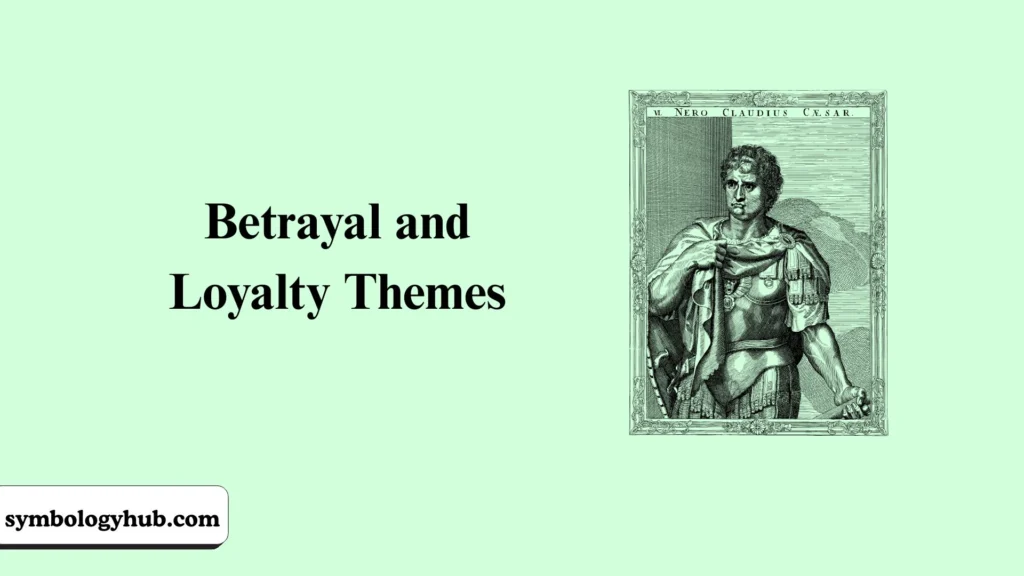
Betrayal sits at the heart of the story. However, Shakespeare makes it complex instead of simple.
Brutus believes he is acting for Rome, not personal gain. This creates a symbolic conflict between friendship and duty.
Loyalty in Conflict
Loyalty shifts throughout the play, showing how unstable trust can become under pressure.
• Friends become political enemies
• Trust breaks under fear of dictatorship
• Loyalty to Rome conflicts with personal bonds
• Betrayal is justified through moral reasoning
Fate vs Free Will
One of the strongest symbolic struggles in the play is between fate and human choice. Characters constantly question whether events are predetermined.
This tension creates uncertainty, making readers question how much control people really have over their lives.
Omens and Signs of Fate
The play includes warnings and strange events that suggest destiny is already set.
• Storms symbolize imbalance in the world
• Dreams reflect subconscious warnings
• Prophecies hint at unavoidable outcomes
• Characters ignore warnings, increasing tragedy
Omens, Supernatural Signs, and Prophecy
Shakespeare uses supernatural elements to build tension and symbolic meaning. These signs suggest that nature itself reacts to human actions.
In ancient Rome, omens were taken seriously, and Shakespeare uses this belief to strengthen the story’s emotional impact.
Examples of Symbolic Omens
• Firestorms suggest political chaos
• Ghostly visions reflect guilt and fear
• Animals behave unnaturally before tragedy
• Dreams foreshadow betrayal and death
Political Symbolism in Rome and England
This play often reflects political systems rather than just personal stories. It shows how power structures can collapse when trust breaks.
In the United States, readers often connect these ideas to democracy, leadership, and civic responsibility.
Symbolism of Governance
| Context | Meaning in the USA | Common Associations | Notes |
| Roman Senate | Democratic ideals under pressure | Congress, political debate | Fragile leadership systems |
| Caesar’s rule | Fear of authoritarian control | Strong executive power | Balance of authority |
| Public speeches | Influence of persuasion | Elections, campaigns | Language shaping opinion |
| Assassination | Political resistance | Civic unrest | Moral conflict in leadership |
Brutus as Tragic Hero Symbol
Brutus represents moral struggle. He is not driven by greed but by belief in justice.
This makes him a symbol of ethical conflict, where good intentions lead to harmful outcomes.
Inner Conflict of Brutus
Brutus constantly balances emotion and logic, making him deeply human.
• Chooses Rome over friendship
• Believes in moral sacrifice
• Struggles with guilt after action
• Becomes symbol of tragic honor
Caesar’s Body and Blood Symbolism
After Caesar’s death, his body becomes a powerful symbol. It represents both sacrifice and political consequence.
Blood in the play often symbolizes guilt, violence, and irreversible action.
Meaning of Blood Imagery
Blood imagery intensifies emotional impact throughout the story.
• Blood symbolizes betrayal consequences
• Public violence reflects political collapse
• Blood signals moral responsibility
• Death becomes political message
Public vs Private Identity
Shakespeare explores how characters act differently in public and private life. This contrast becomes a powerful symbolic theme.
In politics, appearance often matters more than truth, and this play highlights that tension.
Dual Identity Conflict
• Leaders hide true intentions
• Public speeches mask private fear
• Friendship conflicts with political duty
• Reputation shapes public truth
Read More: Young Goodman Brown Symbolism Explained
Language, Rhetoric, and Manipulation Symbolism
Words are weapons in this play. Speech becomes a tool for influence, persuasion, and control.
Both Brutus and Antony use language to shape how the public sees Caesar’s death.
Power of Speech
Language is shown as stronger than physical force in many scenes.
• Brutus uses logic to justify action
• Antony uses emotion to shift crowds
• Speeches reshape public opinion quickly
• Words determine political outcomes
Symbolism in Modern USA Interpretations
In the United States, the play is often studied as a reflection of democracy and leadership challenges.
Modern readers connect it to elections, political debates, and leadership ethics.
Modern Cultural Meaning
• Used in schools to study governance
• Linked to modern political strategy
• Referenced in speeches and debates
• Seen in leadership training discussions
• Inspires political theater and media analysis
Emotional and Psychological Impact on Readers
The play creates strong emotional reactions because its symbolism feels real and relatable.
Readers often feel tension, sadness, and reflection on human nature.
Psychological Themes
• Fear of betrayal affects trust perception
• Moral conflict creates emotional discomfort
• Power struggles reflect real-world anxiety
• Guilt and regret shape character empathy
Misunderstandings and Controversies
Some readers misinterpret the play as supporting betrayal or violence. However, its deeper message is more reflective and cautionary.
It does not promote political violence but instead explores consequences of moral decisions.
Common Misreadings
• Assassination seen as justified solution
• Brutus misunderstood as hero without flaws
• Caesar seen only as tyrant figure
• Simplified good vs evil interpretation
Shifts Over Time in Interpretation
Over centuries, interpretations of the play have changed. Earlier readings focused on morality, while modern views focus on politics and psychology.
Today, readers often explore emotional depth more than historical accuracy.
Evolving Meaning
• Early focus on moral lessons
• Modern focus on political systems
• Psychological analysis now common
• Cultural relevance continues growing
FAQs:
What does Julius Caesar symbolize in literature?
Caesar symbolizes power, authority, and political ambition. His character reflects both greatness and the danger of unchecked leadership.
Why is betrayal important in Julius Caesar?
Betrayal drives the central conflict. It shows how fear and loyalty can collide in political decision-making.
What do the omens represent in Julius Caesar?
Omens represent fate and warning signs. They suggest that nature reacts to human political actions.
How is Brutus symbolic in the play?
Brutus symbolizes moral struggle and ethical conflict. He represents choosing duty over personal loyalty.
Why is Julius Caesar still studied in the USA?
It reflects leadership, democracy, and political tension. These themes still feel relevant in modern society.
Conclusion:
The Symbolism in Julius Caesar | Themes, Literary & Historical Meaning reveals a layered world where politics and human emotion collide. Shakespeare uses symbols to explore ambition, loyalty, and fate in ways that still feel alive today.
Even in modern interpretation, the play continues to reflect how fragile power can be. It also shows how deeply human decisions shape history, both in ancient Rome and in today’s world.


Post Comment