Symbolism in Poetry: Meaning, Interpretation & Significance
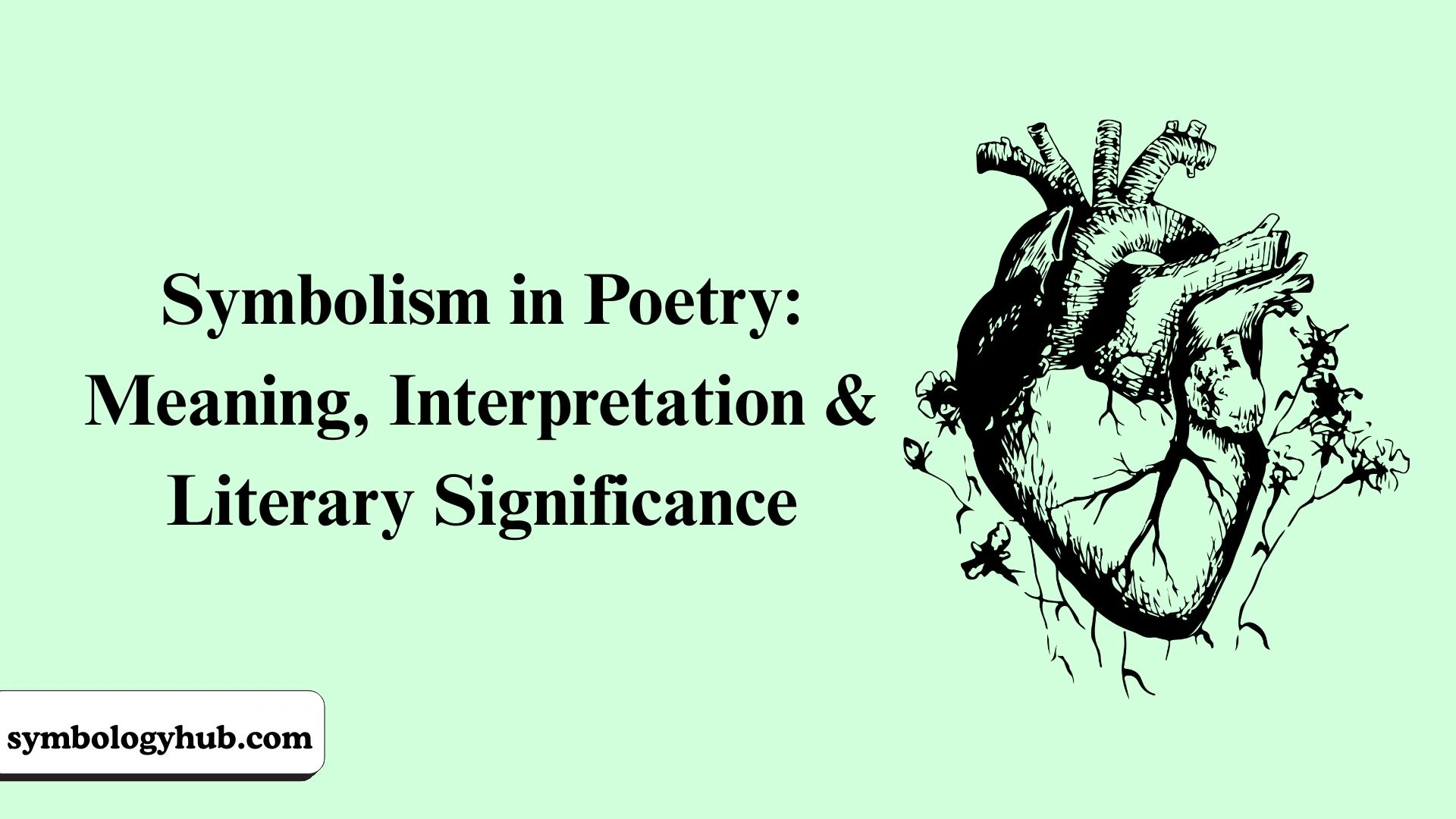
Symbolism in Poetry: Meaning, Interpretation & Literary Significance plays a major role in how readers experience literature in the United States. Instead of stating ideas directly, poets use symbols—objects, colors, or images—to represent deeper emotions and abstract ideas. This creates layers of meaning that invite readers to think beyond the surface.
In the USA, poetry symbolism is often tied to personal identity, cultural values, and emotional expression. Because of this, a single image in a poem can carry different meanings depending on the reader’s background and experience. That flexibility is what makes symbolic poetry so powerful and timeless.
Symbolism also helps poets express ideas that are difficult to explain directly. Whether it’s love, death, freedom, or nature, symbols allow meaning to unfold gradually.
Overview of Symbolism in Poetry
Symbolism in poetry is a technique where poets use concrete images to express abstract ideas. Instead of directly stating emotions, they rely on symbols that suggest meaning.
In American literature, this technique helps readers connect emotionally with poems. It allows personal interpretation, which makes poetry feel more meaningful and open-ended.
Core Ideas Behind Symbolism
• Objects represent deeper emotional ideas
• Meanings often depend on context
• Readers actively interpret hidden layers
• Symbols create emotional depth in poetry
What Does Symbolism in Poetry Mean in America?
In the United States, symbolism in poetry is closely tied to individuality and emotional freedom. Readers are encouraged to interpret meaning in their own way.
Unlike strict definitions, American poetry often values personal connection. A single symbol like a river might represent freedom for one reader and memory for another.
Why It Matters in the USA
• Encourages personal interpretation and reflection
• Used in education to teach literary analysis
• Reflects diverse cultural perspectives
• Connects poetry with everyday life experiences
Historical Origins of Symbolism in Poetry (Ancient Roots)
The roots of poetic symbolism go back thousands of years. Early civilizations used natural objects to represent spiritual ideas.
In ancient Egypt, Greece, and early Eastern traditions, symbols like the sun or water were tied to gods, life, and death. These meanings slowly evolved into literary techniques.
Ancient Symbolic Traditions
• Egyptian hieroglyphs used symbolic storytelling
• Greek myths linked symbols to gods and fate
• Early religious texts used natural imagery
• Oral storytelling relied heavily on symbolic meaning
Symbolism in Classical and Romantic Poetry
During the Classical and Romantic periods, symbolism became more structured in poetry. Writers used nature and emotion as symbolic tools.
Romantic poets especially focused on nature as a reflection of human feeling. Storms, forests, and seasons often symbolized emotional states.
Key Developments in This Era
• Nature became a mirror of human emotion
• Symbols represented inner psychological states
• Poetry became more personal and expressive
• Emphasis shifted from logic to emotion
Symbolism in Modern and Contemporary Poetry
Modern poetry expanded symbolism beyond traditional forms. Poets began using everyday objects and urban imagery as symbols.
In the United States, this shift reflected industrial growth, war experiences, and cultural change. Symbols became more abstract and flexible.
Modern Symbolic Trends
• City life symbols represent isolation or energy
• Technology appears as modern metaphor
• War imagery reflects trauma and memory
• Abstract symbols encourage open interpretation
How Readers Interpret Symbolism in Poetry
Interpretation is one of the most important parts of symbolism in poetry. Readers bring their own experiences into understanding meaning.
Because of this, a single poem can have many valid interpretations. This makes poetry a shared but deeply personal experience.
Factors That Influence Interpretation
• Personal life experiences and memories
• Cultural background and education
• Emotional state while reading
• Context of the poem itself
Common Symbols Found in Poetry
Many symbols appear repeatedly in poetry across cultures and time periods. These symbols often carry shared meanings but can shift depending on context.
Below is a simple breakdown of common poetic symbols:
| Symbol | Common Meaning in USA | Emotional Association | Notes |
| Rose | Love and beauty | Romance, passion | Can also symbolize secrecy |
| Moon | Mystery or change | Calm or loneliness | Often linked to reflection |
| Water | Life or emotion | Flowing, cleansing | Can also represent danger |
| Fire | Passion or destruction | Intensity, anger | Dual meaning of creation/destruction |
| Bird | Freedom | Hope, escape | Depends on species and context |
Emotional and Psychological Meaning of Poetic Symbols
Symbols in poetry often trigger emotional responses before logical understanding. This is why they are so powerful in literature.
In psychology, symbols help people process complex emotions in indirect ways.
Emotional Effects of Symbolism
• Creates instant emotional connection
• Helps express difficult feelings safely
• Builds imagination and mental imagery
• Encourages reflection and self-awareness
Cultural and Spiritual Layers of Symbolism
Symbolism in poetry also carries cultural and spiritual meanings. These meanings vary widely across traditions.
In the USA, poets often blend multiple cultural influences, creating layered interpretations.
Cross-Cultural Symbolic Themes
• Light often represents knowledge or divinity
• Darkness may symbolize fear or mystery
• Trees can represent life and ancestry
• Water symbolizes purification in many traditions
Symbolism in American Poetry Tradition
American poetry has a rich tradition of symbolic writing. From early colonial writings to modern voices, symbols reflect national identity and change.
Poets like Walt Whitman and Emily Dickinson used everyday images to explore life, death, and individuality.
American Symbolic Themes
• Nature reflects freedom and individuality
• Cities symbolize progress and isolation
• Roads represent life journeys and choices
• Flags and land represent identity and belonging
Symbolism in Poetry and Personal Identity
Many readers connect poetic symbols to their own identity. This makes symbolism deeply personal.
In the USA, poetry is often used in schools and social media to express identity, emotions, and beliefs.
How Symbols Shape Identity
• Reflect personal struggles and growth
• Express cultural or generational identity
• Help process emotional experiences
• Create a sense of belonging through shared meaning
Misinterpretations and Common Confusions
Symbolism in poetry can sometimes be misunderstood. Not every symbol has a fixed meaning.
A common mistake is assuming every reader must interpret a symbol the same way.
Common Confusions
• Assuming one correct meaning for symbols
• Over-analyzing simple descriptive language
• Ignoring context of the entire poem
• Confusing metaphor with fixed symbolism
Symbolism in Poetry Across Media (Music, Spoken Word, Social Media)
Today, symbolism is not limited to written poetry. It appears in music lyrics, spoken word performances, and social media posts.
This expansion has made poetic symbolism more accessible to younger audiences.
Modern Media Usage
• Song lyrics use symbolic storytelling
• Spoken word emphasizes emotional imagery
• Social media captions use symbolic language
• Visual poetry blends images and text
Read More: Narnia Symbolism Meaning, Themes & Spiritual Insights Explained
Why Symbolism Still Matters in Modern Literature
Symbolism continues to matter because it connects language with emotion. It allows writers to say more with fewer words.
In a fast-paced digital world, symbolic poetry still slows readers down and encourages reflection.
Lasting Importance of Symbolism
• Keeps poetry emotionally rich and layered
• Encourages personal interpretation
• Bridges past and present literary traditions
• Makes abstract emotions easier to understand
FAQs:
What is symbolism in poetry in simple words?
Symbolism in poetry means using objects or images to represent deeper ideas. It helps express emotions indirectly.
Why do poets use symbolism?
Poets use symbolism to add depth and emotional meaning. It makes poems more open to interpretation.
What are common symbols in poetry?
Common symbols include nature, water, fire, birds, and seasons. Each carries emotional or abstract meaning.
Is symbolism always the same in every poem?
No, symbolism changes depending on context. The same symbol can mean different things in different poems.
How do American readers interpret poetic symbols?
American readers often connect symbols to personal experiences. Interpretation is flexible and individual.
Can a symbol have multiple meanings?
Yes, most poetic symbols have layered meanings. This is what makes poetry rich and complex.
Conclusion:
Symbolism in Poetry: Meaning, Interpretation & Literary Significance remains one of the most powerful tools in literature. It transforms simple words into emotional and imaginative experiences that stay with readers long after the poem ends.
In the United States, symbolism continues to evolve with culture, identity, and modern expression. Whether found in classic poetry or modern media, symbolic language keeps poetry alive, personal, and deeply meaningful.


Post Comment