Bonsai Symbolism: Patience, Harmony & Spiritual Growth
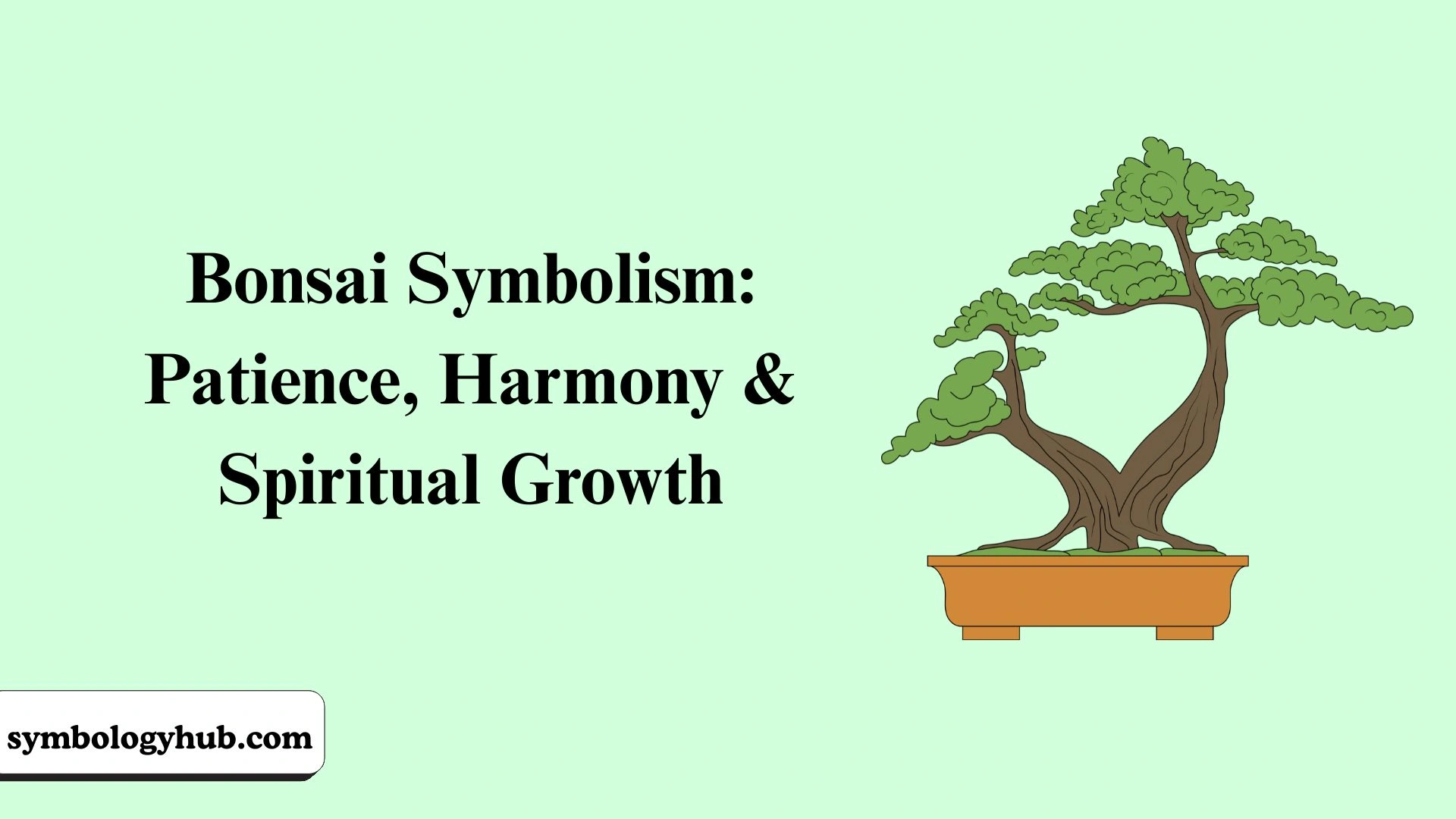
In recent years, Bonsai Symbolism: Patience, Harmony & Spiritual Growth has become a powerful concept in American homes, wellness spaces, and creative culture. A bonsai tree is not just a miniature plant—it’s a living artwork shaped over time with care and discipline. People in the United States often see it as a quiet reminder to slow down and grow with intention.
While bonsai originates from East Asia, its meaning has traveled far beyond its birthplace. Today, it connects deeply with ideas of mindfulness, emotional balance, and personal development. As more Americans embrace minimalism and meditation practices, bonsai has found a strong place in modern symbolic language.
This article explores what bonsai truly represents, how its meaning developed over centuries, and why it continues to inspire people in the USA today.
Did You Know?
Did you know that a single bonsai tree can take decades to shape, and some are even passed down through generations, becoming living family heirlooms? In Japan, certain bonsai are over 100 years old, symbolizing deep patience, heritage, and spiritual continuity. Despite their small size, bonsai are not naturally dwarf plants—they are carefully trained through pruning, wiring, and precise care, reflecting the idea that true beauty comes from discipline and time rather than instant growth.
Overview of Bonsai Symbolism
This section introduces the core meaning behind bonsai and how people interpret it today. In American culture, it is less about gardening and more about life philosophy and emotional awareness.
What Bonsai Represents
- Long-term patience and steady growth
- Balance between control and natural freedom
- Dedication to small, consistent improvement
- Connection between human effort and nature
Bonsai is not naturally small. Instead, it is carefully shaped, which makes it a strong metaphor for intentional living.
What Does Bonsai Symbolism Mean in America
In the United States, bonsai has become a symbol of mindfulness and calm living. It appears in wellness spaces, creative studios, and modern homes as a visual reminder to slow down.
American Interpretations
Americans often connect bonsai with:
- Stress reduction and mental clarity
- Artistic patience and discipline
- Minimalist lifestyle values
- Personal transformation through time
Unlike its traditional roots, the focus in the USA is more psychological and emotional than ceremonial.
Ancient Origins of Bonsai Art in China and Japan
Bonsai did not begin in its modern form. Its roots trace back over a thousand years to Chinese penjing and later Japanese refinement.
Historical Development
- Originated in ancient Chinese landscape art
- Introduced to Japan through cultural exchange
- Refined into structured miniature tree forms
- Became associated with Zen-inspired simplicity
Over time, Japan shaped bonsai into a disciplined art form focused on balance and refinement.
Zen Buddhism and Bonsai Spiritual Meaning
Zen Buddhism deeply influenced bonsai symbolism. It emphasizes simplicity, presence, and acceptance of imperfection.
Spiritual Lessons
- Acceptance of natural aging and change
- Focus on present moment awareness
- Balance between effort and surrender
- Respect for natural life cycles
Bonsai reflects Zen values by showing that beauty grows through time and patience.
Patience and Time in Bonsai Symbolism
Patience is one of the strongest meanings connected to bonsai. A single tree can take decades to shape.
Life Lessons from Patience
- Growth cannot be rushed or forced
- Progress often happens slowly and quietly
- Careful attention leads to lasting results
- Time enhances beauty and depth
This makes bonsai a powerful metaphor for long-term personal goals.
Harmony and Balance in Bonsai Design
Bonsai trees are carefully shaped to reflect balance between natural growth and human guidance.
Elements of Harmony
- Branch symmetry and natural flow
- Balance between trunk strength and softness
- Visual stability in container and form
- Integration with surrounding space
In American interiors, this balance is often linked to peaceful home energy.
Spiritual Growth and Personal Transformation
Many people interpret bonsai as a symbol of inner development and emotional maturity.
Growth Symbolism
- Personal change through discipline
- Healing through steady self-care
- Transformation over long periods
- Strength built through resilience
It becomes a mirror for how people evolve over time.
Emotional and Psychological Meaning of Bonsai Trees
Bonsai often carries deep emotional symbolism for people seeking calm and focus.
Emotional Associations
- Calmness during stressful moments
- Reflection and inner silence
- Emotional grounding in daily life
- Gentle reminder of life’s pace
Many therapists and wellness practitioners use bonsai imagery for mindfulness practices.
Bonsai in Modern American Homes and Offices
Bonsai has become a popular decorative and symbolic item in the United States.
Modern Uses
- Desk decor for focus and calm
- Living room centerpiece for natural balance
- Meditation space enhancement
- Creative studio inspiration object
| Context | Meaning in the USA | Common Associations | Notes |
| Home decor | Peace and balance | Minimalist design | Often placed near light |
| Office space | Focus and patience | Productivity mindset | Helps reduce stress |
| Meditation area | Mindfulness | Inner calm | Supports breathing practice |
| Gift giving | Growth and care | Personal meaning | Popular for milestones |
Bonsai fits well into modern lifestyle design focused on simplicity.
Bonsai Tattoos and Personal Identity Symbolism
In American tattoo culture, bonsai designs carry deep personal meaning.
Tattoo Symbolism
- Life shaped by experience
- Strength through endurance
- Patience in personal journeys
- Connection to nature and self
These tattoos often reflect emotional healing or life transformation stories.
Cross-Cultural Interpretations of Bonsai Around the World
Bonsai meaning shifts across cultures, though many themes remain similar.
Global Views
- Japan: discipline, beauty, and tradition
- China: harmony with natural landscapes
- Western cultures: mindfulness and creativity
- Modern global use: wellness and design symbol
Despite differences, patience and balance remain universal ideas.
Misunderstandings and Ethical Debates About Bonsai
Some people misunderstand bonsai as harming trees, but the practice is more complex.
Common Misconceptions
- Belief that bonsai is unnatural or harmful
- Confusion about tree health and care methods
- Misuse in commercial mass production
- Oversimplification of its artistic depth
Ethically grown bonsai are carefully maintained and respected as living art forms.
Bonsai Styles and What They Symbolize
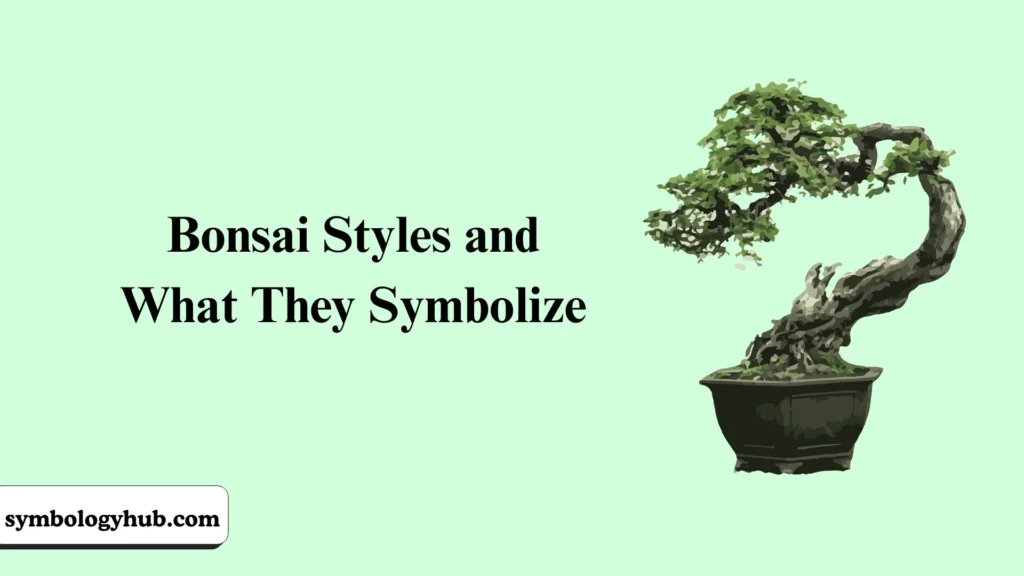
Different bonsai styles carry unique symbolic meanings based on shape and structure.
Style Interpretations
- Upright style: stability and strength
- Cascade style: resilience through challenges
- Windswept style: survival through adversity
- Informal upright: natural balance and freedom
Each form reflects a different life philosophy and emotional message.
Read More: Summer Solstice Symbolism: Meaning & Significance
FAQs:
What does a bonsai tree symbolize in life?
It symbolizes patience, growth, and harmony with nature. Many see it as a reminder of steady personal development.
Is bonsai spiritual or just decorative?
It can be both. Spiritually, it reflects mindfulness and balance, while also serving as decor.
Why is bonsai associated with patience?
Because shaping a bonsai takes years of careful trimming and attention, not quick results.
What culture started bonsai?
Bonsai originated from ancient Chinese practices and was refined in Japan into its modern form.
Is bonsai popular in the United States?
Yes, it is widely appreciated in homes, offices, and wellness spaces for its calming symbolism.
Can bonsai represent personal growth?
Yes, many people see it as a reflection of life changes and emotional development over time.
Conclusion:
Bonsai remains one of the most meaningful natural symbols in modern culture. It reflects patience, harmony, and steady transformation shaped over time.
In the United States, Bonsai Symbolism: Patience, Harmony & Spiritual Growth resonates strongly with people seeking balance in fast-paced lives. It offers a quiet reminder that growth is not rushed—it is shaped gently, like life itself.
Ultimately, bonsai invites us to slow down, observe carefully, and grow with intention.





Post Comment