Forest Symbolism: Spiritual Meanings, Myths, and Cultural Insights
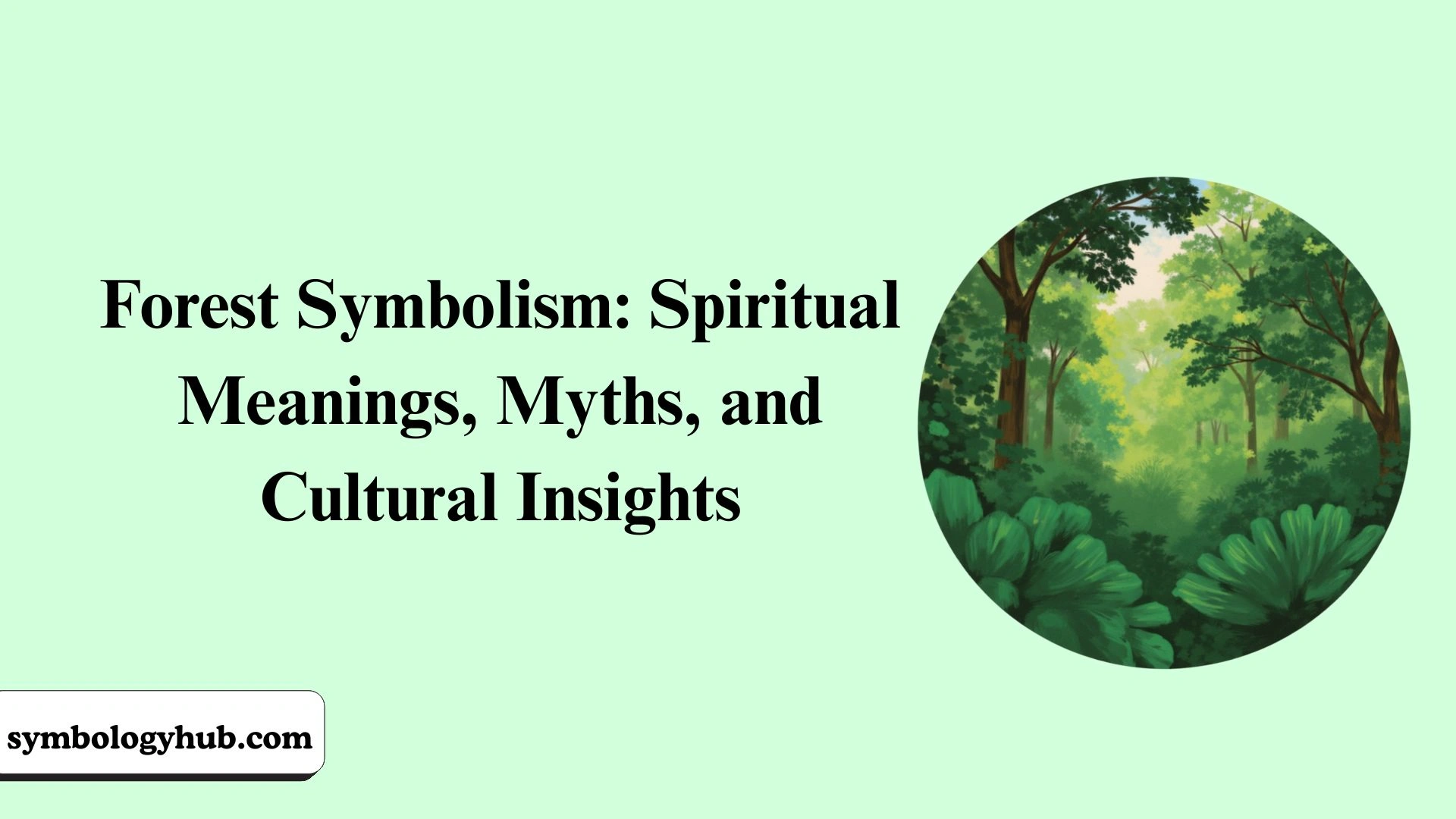
Forests have always felt like more than just clusters of trees. They are places where silence feels alive, where light behaves differently, and where human imagination tends to expand. In storytelling, religion, and personal reflection, forests often represent the unknown parts of life—both beautiful and unsettling.
When we talk about Forest Symbolism: Spiritual Meanings, Myths, and Cultural Insights, we are really talking about how humans interpret nature as a mirror of inner experience. In the United States, forests often carry layered meanings tied to wilderness, freedom, danger, and healing. That mix makes them powerful symbols across history and modern culture.
Forests appear in myths, dreams, religious texts, and even tattoos today. They can represent peace or confusion, safety or risk, beginnings or endings. Their meaning depends on context, but their emotional impact is almost universal.
Did You Know?
Forests have been seen as powerful symbols for over 10,000 years, and in many ancient traditions they were believed to be places where the human world and spiritual world overlap. In early European folklore, people thought deep forests were home to spirits, fairies, and unseen forces, while in modern America, forests often symbolize mental clarity, healing, and personal transformation. Psychologists also note that forest imagery frequently appears in dreams when a person is experiencing change, uncertainty, or emotional growth, making it one of the most universal symbols of the human mind across cultures.
Overview of Forest Symbolism: Spiritual Meanings, Myths, and Cultural Insights
Forests are one of the oldest natural symbols in human history. They appear in myths, spiritual traditions, and modern storytelling as places of both danger and wisdom. Their meaning changes depending on how people interact with nature.
In symbolic terms, forests often represent:
• The unknown parts of life and self
• Emotional transformation and growth
• Separation from civilization and routine
• Hidden spiritual truths or forces
Because forests are dense and layered, they naturally reflect complexity. People do not easily “see through” a forest, which makes it a perfect symbol for uncertainty and discovery.
What Does Forest Symbolism Mean at a Glance
At a basic level, forests symbolize transitions and inner exploration. They often appear when a person is moving through change or searching for meaning.
In everyday interpretation, forests can mean:
• A journey into the unknown
• Emotional healing and reflection
• Isolation or independence
• Renewal after difficulty
In the United States, forests are also tied to national identity. Large wilderness areas symbolize freedom and untouched nature, shaping how people emotionally connect to them.
Ancient and Mythological Roots of Forest Symbolism
Ancient cultures often viewed forests as sacred or dangerous spaces. Without modern mapping or control, forests felt alive and unpredictable.
In early mythology, forests were:
• Homes of spirits and unseen beings
• Places of trials and transformation
• Boundaries between human and divine worlds
• Symbols of chaos outside civilization
Greek and Roman myths often placed gods, nymphs, and monsters in wooded spaces. These stories reinforced the idea that forests were not empty—they were full of presence.
Over time, this layered meaning stayed alive in storytelling traditions across Europe and later influenced American folklore.
Forest Symbolism in Indigenous American Traditions
For many Indigenous cultures in North America, forests are not symbolic in an abstract sense—they are living relatives. They are places of knowledge, survival, and spiritual connection.
Common themes include:
• Respect for forest as a living system
• Spiritual presence within trees and animals
• Balance between human life and nature
• Teaching stories tied to specific landscapes
These interpretations vary widely across nations and cohorts, but many share a deep sense of relationship rather than separation. Forests are not “other worlds” but connected ones.
Forest Symbolism in Religion and Myth (European, Christian, Broader)
In European folklore and Christian-influenced traditions, forests often represent temptation, testing, or spiritual searching. They are frequently settings where characters face moral or personal challenges.
Common symbolic ideas include:
• Wilderness as a place of spiritual testing
• Forest journeys as paths to enlightenment
• Isolation as a way to find truth
• Nature as a reflection of divine order
In medieval stories, saints and pilgrims often entered forests to seek clarity. At the same time, folktales portrayed forests as places of danger, reinforcing caution and respect for the unknown.
Forest Symbolism in American Culture and Identity
In the United States, forests carry strong cultural meaning tied to both history and imagination. From early frontier life to national parks, forests represent freedom and natural identity.
| Context | Meaning in the USA | Common Associations | Notes |
| Frontier history | Expansion and survival | Exploration, wilderness | Early settlement narratives |
| National parks | Natural beauty and preservation | Yellowstone, Yosemite | Conservation identity |
| Pop culture | Mystery and adventure | Survival stories, fantasy | Films and novels |
| Personal reflection | Escape and healing | Hiking, solitude | Mental reset space |
Forests also appear in American storytelling as places where characters find clarity or face fear. This dual meaning makes them culturally powerful.
Psychological Meaning of Forests
Psychologically, forests often represent the unconscious mind. Their dense structure mirrors thoughts and emotions that are not fully understood.
Common psychological associations include:
• Inner confusion or emotional complexity
• Personal growth through challenge
• Fear of the unknown within oneself
• Desire for solitude and clarity
Walking into a forest in symbolic terms often reflects entering a deeper part of the self. It is not always calm—it can also be overwhelming or disorienting.
Forests as Places of Transformation and Mystery
Forests are often used in storytelling to represent transformation. Characters enter as one version of themselves and leave changed.
This symbolism includes:
• Emotional or spiritual rebirth
• Loss of old identity patterns
• Discovery of hidden truths
• Facing internal fears
Mystery plays a key role here. Because forests obscure visibility, they naturally represent uncertainty. That uncertainty becomes a space for change.
Dark Forest Symbolism: Fear and the Unknown
Not all forest symbolism is peaceful. Dark forests often represent fear, danger, or emotional struggle.
Key meanings include:
• Fear of being lost or overwhelmed
• Facing internal anxieties
• Confronting hidden truths
• Unknown consequences or risks
In modern storytelling, dark forests are often used to show emotional tension. However, they also suggest that growth often requires moving through discomfort.
Forests in Dreams and Inner Life
In dream interpretation, forests often reflect emotional states. The meaning depends on what happens inside the forest.
Common interpretations include:
• Walking calmly = emotional balance
• Being lost = confusion or uncertainty
• Clearing path = problem-solving
• Dense darkness = suppressed emotions
Dream forests are rarely literal. Instead, they reflect how the mind organizes stress, memory, and identity.
Forest Symbolism in Modern Media and Pop Culture
Forests are widely used in movies, books, and games. They often set the stage for transformation or mystery.
Typical uses include:
• Fantasy worlds filled with hidden magic
• Horror settings for suspense
• Adventure journeys of discovery
• Emotional storytelling backgrounds
Modern media often blends fear and beauty in forest imagery. This combination keeps forests symbolically rich and flexible.
Forest Tattoos, Art, and Personal Identity
Forests are popular in tattoos and visual art because they represent personal growth and resilience.
People often choose forest imagery to express:
• Life transitions and change
• Love of nature and solitude
• Strength through hardship
• Spiritual or emotional grounding
Artists also use forests to create depth and atmosphere. The layered structure naturally fits emotional storytelling in visual form.
Environmental Meaning and Conservation Values
Today, forests also carry strong environmental symbolism. They represent sustainability, balance, and responsibility toward nature.
Key ideas include:
• Climate awareness and protection
• Connection between humans and ecosystems
• Preservation of natural heritage
• Responsibility for future generations
In the USA, conservation efforts have helped turn forests into symbols of shared national responsibility. They are no longer just wilderness—they are protected spaces.
Read More: Indigo Symbolism: Spiritual, Cultural, and Psychological Meanings
Misunderstandings, Sensitivities, and Shifting Meanings
Forest symbolism can sometimes be misunderstood or oversimplified. While some view forests only as peaceful or dangerous, their meaning is more balanced.
Important considerations include:
• Not all forest imagery means fear or darkness
• Cultural meanings vary widely and should be respected
• Sacred forest spaces exist in many traditions
• Modern interpretations often blend old and new meanings
Over time, forests have shifted from purely mysterious places to complex symbols of both danger and healing.
FAQs:
What does forest symbolism usually represent?
It usually represents transformation, mystery, and emotional growth. In the USA, it also reflects freedom and natural identity.
Why are forests seen as mysterious?
Forests limit visibility and sound, which naturally creates uncertainty. This makes them symbolic of the unknown and hidden truths.
What do forests mean spiritually?
Spiritually, forests often represent inner journeys and self-discovery. They can symbolize connection to nature and deeper awareness.
Are forests symbols of fear or peace?
They can represent both. Forests symbolize peace in nature, but also fear of the unknown or emotional confusion.
Why are forests common in stories and myths?
They create natural settings for transformation and testing. Their complexity makes them ideal for symbolic storytelling.
What does a forest mean in dreams?
It often reflects emotional states like confusion, growth, or self-exploration. The meaning depends on the dream’s context.
Conclusion:
Forest symbolism has always lived between light and shadow, comfort and uncertainty. Across history, forests have represented both danger and healing, depending on how people experience them.
In modern life, Forest Symbolism: Spiritual Meanings, Myths, and Cultural Insights continues to reflect how we understand change, identity, and connection to nature. Whether seen in dreams, stories, or real landscapes, forests remind us that growth often begins where certainty ends.




Post Comment