Snake Tattoo Meaning and Spiritual Symbolism in the USA
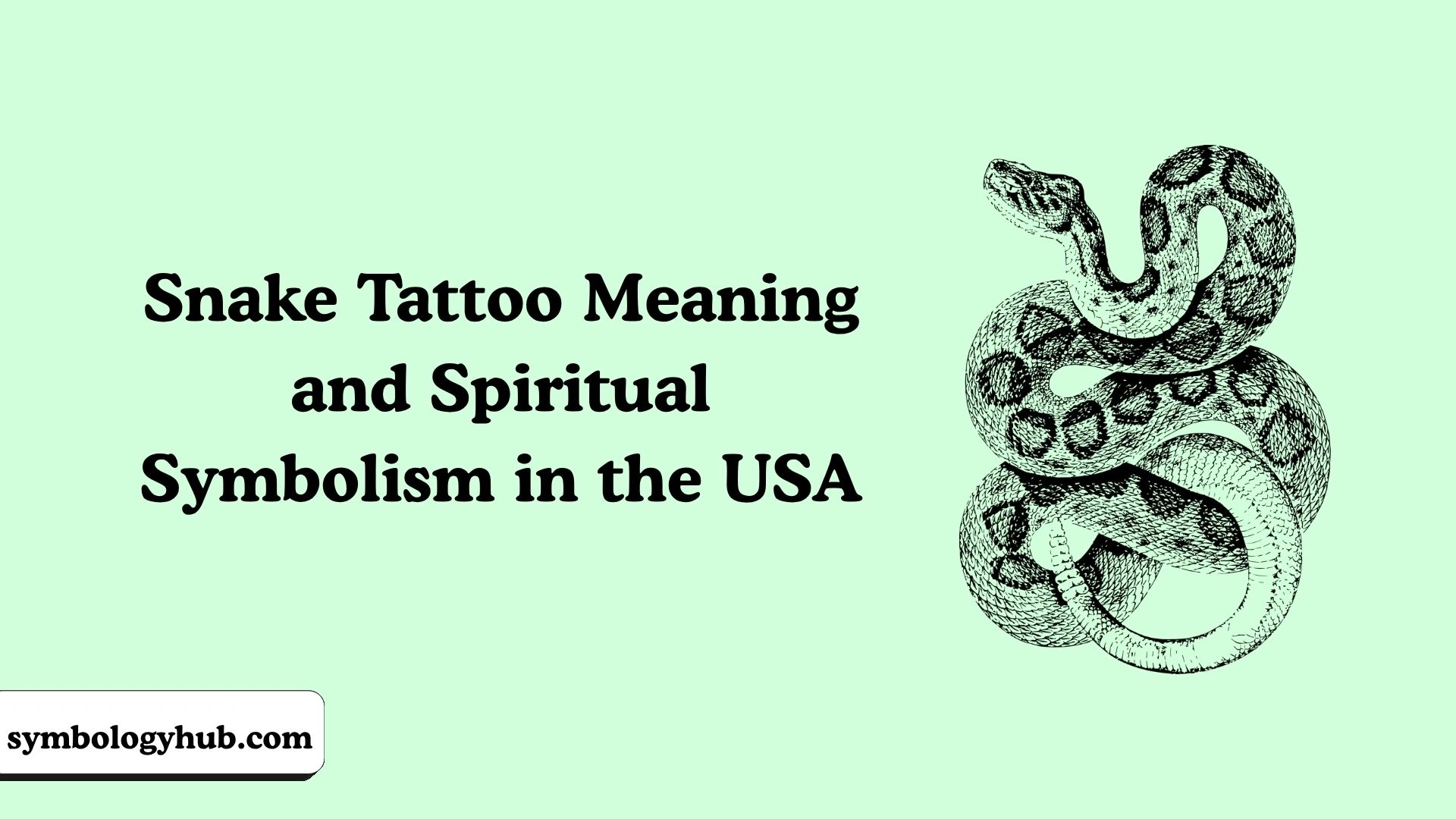
Snake tattoos have long fascinated people for their powerful imagery and layered meanings. A snake tattoo is more than body art; it embodies ancient symbolism, spiritual depth, and personal expression. Across the United States, snakes appear in tattoo culture as a versatile symbol—sometimes representing transformation, danger, or wisdom, depending on the wearer’s intent and design.
The appeal of snake tattoos comes from their rich history, visual versatility, and cultural significance. From coiled designs to snakes intertwined with flowers or skulls, these tattoos communicate stories that are both personal and universal. Understanding their spiritual symbolism adds depth to what might otherwise seem like a striking design choice.
Did You Know?
Did you know that snakes have been powerful symbols of transformation, healing, and wisdom for thousands of years? In ancient Egypt, the uraeus serpent represented royalty and divine protection, while in Greece, snakes were linked to medicine and rebirth through the staff of Asclepius. Even in modern American tattoo culture, snakes are often chosen to signify personal growth, resilience, and hidden strength, making them one of the most emotionally and spiritually rich symbols in body art today.
Overview of Snake Tattoos
Snake tattoos capture attention due to their dynamic shapes, vivid colors, and flowing movement. They can appear as:
• Coiled or slithering along limbs.
• Wrapped around objects like swords or roses.
• Stylized with geometric patterns or realistic scales.
• Displayed in black-and-gray shading or vibrant hues.
These designs convey flexibility in meaning. In American culture, placement and posture often hint at whether a tattoo represents danger, protection, or spiritual growth.
Core Symbolism
• Transformation – shedding skin represents personal growth.
• Wisdom – snakes as observant, intelligent creatures.
• Protection – inspired by guardian motifs in folklore.
• Temptation/Danger – cultural echoes from biblical references.
Historical Background
Snake symbolism dates back thousands of years, influencing multiple civilizations:
Ancient Roots
• Egypt: Uraeus serpent represented royalty and divine protection.
• Greece: Snakes associated with healing (Asclepius) and rebirth.
• India: Nagas symbolized water, fertility, and spiritual guardianship.
• Pre-Christian Europe: Serpents represented life cycles and hidden knowledge.
Over time, snake imagery evolved from sacred and natural cycles to more moralized interpretations, such as temptation in Judeo-Christian traditions.
Early American Context
European settlers brought biblical associations, often linking snakes with sin or danger. Native American cultures, however, celebrated snakes as life-bringers, healers, and symbols of renewal, creating a complex symbolic landscape that influences tattoo interpretations today.
Symbolism in the USA
In contemporary American culture, snake tattoos carry multiple layers of meaning:
Identity and Personal Growth
• Tattoos of coiled snakes often symbolize overcoming personal challenges.
• Shedding skin designs indicate transformation and resilience.
• American media often links snake imagery to rebellion or edgy aesthetics.
Table: Snake Symbolism in USA Context
| Context | Meaning in the USA | Common Associations | Notes |
| Coiled on arm | Transformation | Growth, renewal | Popular in personal milestones |
| Wrapped around dagger | Danger | Strength, protection | Often appears in biker or rock culture |
| Intertwined with flowers | Duality | Beauty and danger | Softens the intimidating aspect |
| Minimalist line tattoo | Wisdom | Elegance, subtlety | Favored by younger tattoo enthusiasts |
Cross-Cultural and Spiritual Meanings
Though this article focuses on the USA, snake tattoos often carry respected international meanings:
• China: snakes symbolize intelligence, mystery, and longevity.
• Africa: guardianship, fertility, and life cycles.
• Hinduism/Buddhism: snakes (Nagas) protect sacred spaces and spiritual energy.
• Western Christianity: temptation, sin, and cautionary tales.
These interpretations influence American tattoo artists who draw inspiration from global symbolism while adapting designs for personal narratives.
Emotional and Psychological Associations
Snake tattoos evoke strong emotional responses:
• Empowerment – representing control over one’s transformation.
• Mystery – the hidden or subtle aspect of a coiled design.
• Caution – projecting strength or warning.
• Curiosity – fascination with ancient, spiritual, or dangerous imagery.
Psychologically, they often appeal to people who embrace change, duality, and complex identity.
Modern Usage
Snake tattoos have surged in popularity due to:
• Social media exposure, showing intricate designs worldwide.
• Pop culture – appearances in films, music videos, and fashion.
• Home decor inspiration, from prints to art featuring snake motifs.
• Spiritual expression, reflecting personal growth or protection.
Artists experiment with realism, neo-traditional, geometric, and minimalist styles, making snake tattoos versatile across age and subcultures.
Misunderstandings and Controversies

Snake tattoos are sometimes misinterpreted or misused:
• Fear-based associations – some viewers see snakes purely as dangerous.
• Cultural appropriation – copying sacred motifs without respect.
• Misaligned symbolism – a “protection” snake may be read as threatening.
• Oversexualized imagery – coiled snake designs occasionally used for suggestive purposes.
Clear communication about a tattoo’s intent helps reduce confusion.
Read More: Fox Spiritual Meaning & Spirit Animal Guide
Shifts Over Time
Snake symbolism has evolved significantly in the USA:
• Early American settlers viewed snakes mainly as dangerous or evil.
• The counterculture era (1960s–70s) reframed snakes as rebellious and transformative.
• Today, tattoos often emphasize personal growth, spiritual depth, and artistic beauty.
• Older interpretations of sin or fear are less common, though still recognized.
FAQs:
What does a coiled snake tattoo mean?
A coiled snake often symbolizes transformation, protection, and readiness for change or challenge.
Are snake tattoos spiritual?
Yes, many see them as spiritual symbols of rebirth, wisdom, or hidden knowledge.
Do snake tattoos have negative meanings in the USA?
Sometimes, depending on context, they suggest danger, temptation, or aggression, but these are secondary.
Why are snakes popular in tattoo culture?
Snakes are visually versatile and can represent complex ideas like growth or duality.
Can snake tattoos represent healing?
Absolutely. Snakes are linked to healing and renewal, inspired by ancient medical symbolism.
Conclusion:
Snake tattoos embody a rich blend of history, spirituality, and personal expression. From ancient myths to modern American culture, they symbolize transformation, wisdom, and protection while reflecting the wearer’s journey. Appreciating their layers—from emotional impact to cross-cultural significance—enhances the meaning behind each design. Whether chosen for aesthetic beauty, spiritual depth, or personal milestones, snake tattoos remain enduring symbols that connect history, culture, and individual identity in a visually striking way.





Post Comment