Symbolism of Snake: Spiritual & Cultural Meanings
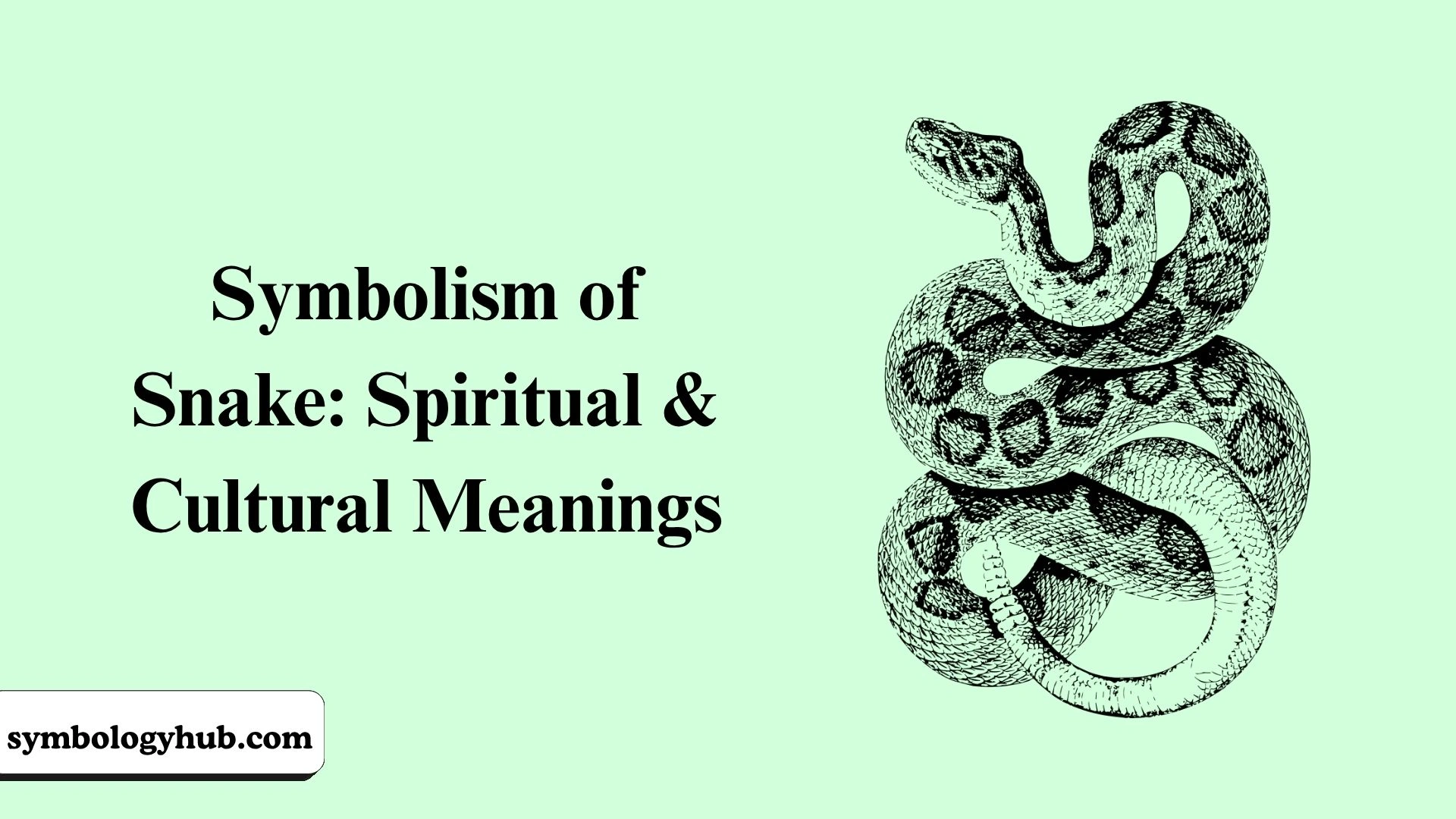
Snakes have fascinated people for thousands of years. They appear in myths, religions, and everyday symbolism around the world. The Symbolism of Snake – Spiritual, Cultural, and Mythological Meanings reflects both fear and admiration, making it one of the most complex symbols in human history.
In the United States, snakes show up in everything from political imagery to tattoos and pop culture. Some see them as dangerous and deceptive, while others view them as symbols of healing and transformation. This mix of meanings is what keeps the snake so powerful and relevant today.
Because of its long history and strong emotional impact, the snake continues to shape how people think about change, danger, wisdom, and rebirth. Let’s explore what it truly represents.
Did You Know?
Did you know that snakes can shed their skin multiple times a year, which is why they symbolize rebirth and transformation across many cultures? Interestingly, the famous medical symbol with a snake wrapped around a staff comes from ancient Greek traditions, linking snakes to healing and renewal. In early American history, the “Don’t Tread on Me” flag used a coiled rattlesnake to represent warning, independence, and strength. Also, in some spiritual beliefs, snakes are seen as a sign of awakening energy and personal growth, not danger. This shows how one creature can carry both fearful and empowering meanings at the same time.
What Does a Snake Symbol Represent?
Snakes are visually simple but symbolically rich. Their shape, movement, and behavior all add layers of meaning. In the USA, people often react to snakes with strong emotions, which shapes their symbolism.
Physical Traits and Symbolism
The snake’s body and actions play a key role in what it represents.
• Shedding skin symbolises renewal and fresh beginnings
• Slithering movement suggests mystery and hidden power
• Venom represents danger, but also medicine and healing
• Coiled posture signals readiness, protection, or hidden strength
Core Meanings at a Glance
Across cultures and modern American life, snakes commonly stand for:
• Transformation and personal growth
• Danger and warning signs
• Wisdom and ancient knowledge
• Healing and life cycles
Historical Origins of Snake Symbolism
To understand snake symbolism today, it helps to look at its ancient roots. Many early civilizations gave snakes powerful roles in their beliefs.
Ancient Civilizations
Snakes appeared in some of the oldest recorded myths.
• In Ancient Egypt, snakes symbolized protection and royal power
• Greek traditions linked snakes to healing and medicine
• Mesopotamian myths connected snakes to immortality
For example, the staff with a snake wrapped around it became a symbol of healing, still used in medicine today.
Early Religious Influence
Snakes also appear in major religious stories.
• In Biblical tradition, the snake represents temptation and deception
• In contrast, some traditions saw snakes as wise guides
• Over time, Western views leaned more negative due to these stories
Because of this mix, the snake became both feared and respected.
Snake Symbolism in American Culture
In the United States, snake symbolism has a unique identity shaped by history, politics, and media.
National and Historical Meaning
One of the most famous American symbols is the coiled snake on the “Don’t Tread on Me” flag.
• Represents independence and resistance
• Signals warning before attack, not aggression
• Became a symbol of personal freedom
Pop Culture and Media
Today, snakes appear in movies, logos, and stories.
• Often portrayed as villains or threats
• Sometimes shown as wise or magical creatures
• Used to create tension and mystery
Because of this, Americans often see snakes as both dangerous and powerful.
Spiritual Meaning of Snakes
Spiritually, snakes carry deep and often positive meanings. Many people today connect them to personal growth and energy.
Transformation and Rebirth
The most common spiritual meaning comes from shedding skin.
• Letting go of the past
• Starting a new phase in life
• Personal evolution and growth
Energy and Awakening
In some spiritual systems, snakes represent energy within the body.
• Symbolize life force or inner power
• Connected to awakening and awareness
• Represent balance between body and mind
Because of this, many people see snakes as guides through change.
Snake Symbolism Across Cultures
Although this article focuses on the USA, snake symbolism varies worldwide. These meanings still influence modern interpretations.
Global Perspectives
Different cultures give snakes unique meanings.
• In India, snakes are sacred and linked to protection
• In China, they represent wisdom and intuition
• In Indigenous traditions, snakes often symbolize earth energy
Shared Themes
Despite differences, some meanings repeat across cultures:
• Life, death, and rebirth cycles
• Hidden knowledge and mystery
• Balance between danger and healing
Emotional and Psychological Meaning of Snakes
Snakes trigger strong emotional reactions. These feelings shape their symbolic meaning in everyday life.
Common Emotional Responses
• Fear due to danger or unpredictability
• Curiosity about hidden or unknown things
• Respect for power and survival instinct
Psychological Interpretation
Snakes often reflect inner experiences.
• Personal transformation or identity shifts
• Hidden fears or anxieties
• Desire for growth or change
Because of this, dreams about snakes are often tied to personal emotions.
Snake Symbolism in Dreams
Dreams involving snakes are common and often meaningful. In the USA, many people look for deeper meaning in these dreams.
Common Dream Interpretations
• A snake shedding skin may mean personal growth
• Being chased by a snake can reflect fear or stress
• A calm snake may symbolize wisdom or guidance
Why Snake Dreams Matter
Snakes in dreams often highlight change.
• Signal emotional transformation
• Represent something hidden in life
• Encourage awareness and reflection
Snake Tattoos and Their Meanings
Snake tattoos are popular in the United States. They carry both personal and cultural meanings.
Popular Tattoo Meanings
• Transformation and new beginnings
• Protection and strength
• Mystery and independence
Design Variations
Different styles change the meaning.
• Coiled snake shows readiness or defense
• Snake with flowers blends danger and beauty
• Ouroboros (snake eating its tail) symbolizes eternity
Modern Uses of Snake Symbolism
Today, snake symbolism appears in many areas of daily life. It’s not limited to religion or myths anymore.
Everyday Symbolism
• Used in fashion for bold, edgy style
• Appears in logos to suggest power or precision
• Common in jewelry and home decor
Social Media and Identity
Snakes are also used symbolically online.
• Represent personal growth journeys
• Signal independence or rebellion
• Used in captions about transformation
Common Misunderstandings About Snake Symbolism
Not all snake meanings are negative, even though many people think so.
Misconceptions
• Snakes only symbolize evil or danger
• All cultures view snakes negatively
• Snake symbolism is always about fear
Reality
• Many traditions see snakes as healing symbols
• Meanings depend on context and culture
• Modern interpretations are often more balanced
Controversies and Negative Associations
Snake symbolism can sometimes be controversial, especially in cultural or political contexts.
Negative Uses
• Associated with betrayal or deceit
• Used in propaganda or fear-based imagery
• Linked to harmful stereotypes in some cases
Important Distinction
It’s important to separate traditional symbolism from misuse.
• Historical meanings are often neutral or positive
• Misuse comes from specific contexts, not the symbol itself]
Read More: Blood Moon Symbolism: Meaning, Myths, and Modern Beliefs
How Snake Symbolism Has Changed Over Time
Snake symbolism hasn’t stayed the same. It has evolved based on culture and beliefs.
Then vs Now
• Ancient times: more positive and sacred meanings
• Medieval period: more negative religious views
• Modern era: balanced and personal interpretations
Current Trends (2025–2026)
• More focus on transformation and healing
• Popular in self-growth and wellness spaces
• Reclaimed as a symbol of empowerment
Snake Symbolism in Different Contexts
The meaning of a snake changes depending on where and how it appears.
| Context | Meaning in the USA | Common Associations | Notes |
| Politics | Resistance and independence | “Don’t Tread on Me” flag | Strong historical roots |
| Medicine | Healing and care | Medical symbols | Ancient Greek influence |
| Tattoos | Personal growth and strength | Rebirth, identity | Highly customizable meanings |
| Dreams | Inner emotions and change | Fear, transformation | Personal interpretation varies |
| Fashion/Design | Boldness and mystery | Edgy style | Popular in modern trends |
FAQs:
What does a snake symbolize spiritually?
Spiritually, snakes often symbolize transformation, healing, and inner energy. They represent growth and personal change.
Is a snake a good or bad symbol?
It can be both. In the USA, snakes may symbolize danger, but they also represent renewal and strength.
What does dreaming about snakes mean?
Snake dreams usually reflect emotions like fear or transformation. The meaning depends on the situation in the dream.
Why is the snake a medical symbol?
The snake represents healing because of ancient Greek traditions. It’s linked to medicine and renewal.
What does a snake tattoo symbolize?
Snake tattoos often represent change, protection, and personal power. The meaning depends on the design.
Are snakes always negative in religion?
No, some traditions see snakes as wise or sacred. Others associate them with temptation or danger.
Conclusion:
The Symbolism of Snake – Spiritual, Cultural, and Mythological Meanings shows how one symbol can hold many layers at once. In the United States, snakes often represent both danger and independence, shaped by history and modern culture.
At the same time, older and global meanings remind us that snakes also stand for healing, wisdom, and transformation. Today, people continue to reinterpret this symbol in personal and creative ways.
In the end, the snake’s true meaning depends on context—and that’s exactly what makes it so powerful.





Post Comment